Nicosia (Lefkosia) is the world's only divided capital city. The UN-controlled Green Line divides the city into a southern (Greek, part of the Republic of Cyprus) and northern (Turkish) part. A two-day itinerary allows you to leisurely experience the unique, contrasting atmosphere of these two worlds while admiring the city's rich Venetian, Ottoman, and Gothic heritage.
Plan details
- City: Nicosia
- Number of days: 2
- Number of places: 25
Itinerary
Day 1
- Famagusta Gate
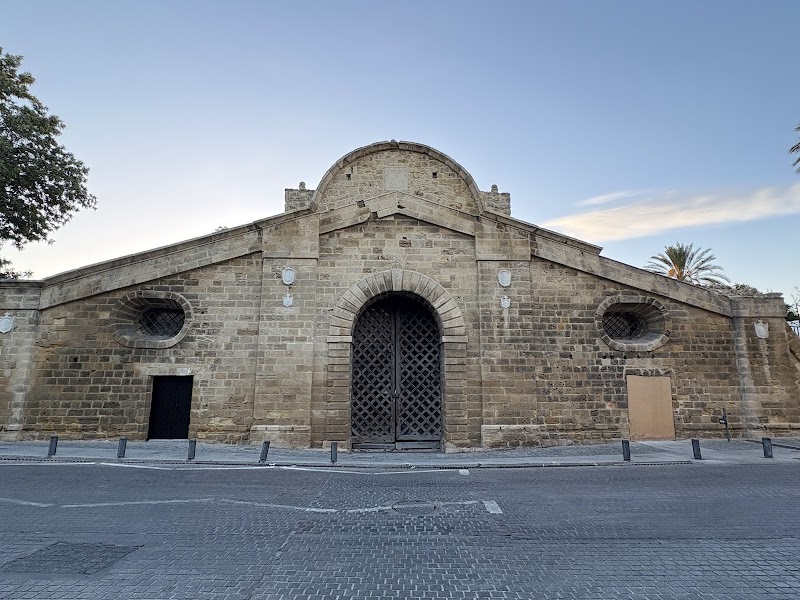
Famagusta Gate was built between 1567 and 1570 as part of the Venetian fortifications of Nicosia, serving for centuries as the city's principal eastern entrance — the road beyond led directly to the port city of Famagusta. What sets this gate apart from the many historic gateways of the Mediterranean is its extraordinary state of preservation combined with a second life as a refined cultural venue. The round tower, constructed from local sandstone, has walls up to four metres thick; even on the fiercest Cypriot summer days the interior remains naturally cool without any air conditioning. The Venetians designed it specifically to withstand gunpowder artillery, making it one of the earliest gateways in the eastern Mediterranean fully adapted to the demands of modern Renaissance-era warfare — a statement as much about military engineering as it was about imperial prestige. Of Nicosia's three original Venetian gates, Famagusta Gate is the only one to have retained its original inner passageway, wooden doors, and portcullis mechanism; don't miss the stucco decorations of the inner chamber, the original Venetian inscriptions on the facade, and the display of historic maps of Cyprus housed inside. Tickets & info: Free entry during cultural centre opening hours, typically Mon–Fri 10:00–13:00 and 16:00–19:00; hours vary depending on scheduled events. The gate hosts concerts and exhibitions — check the programme at the Nicosia tourism office or at Nicosia Municipality
Address: 59FC+PF6, Athinas, Nicosia 1016, Cyprus
- Cyprus Folk Art Museum
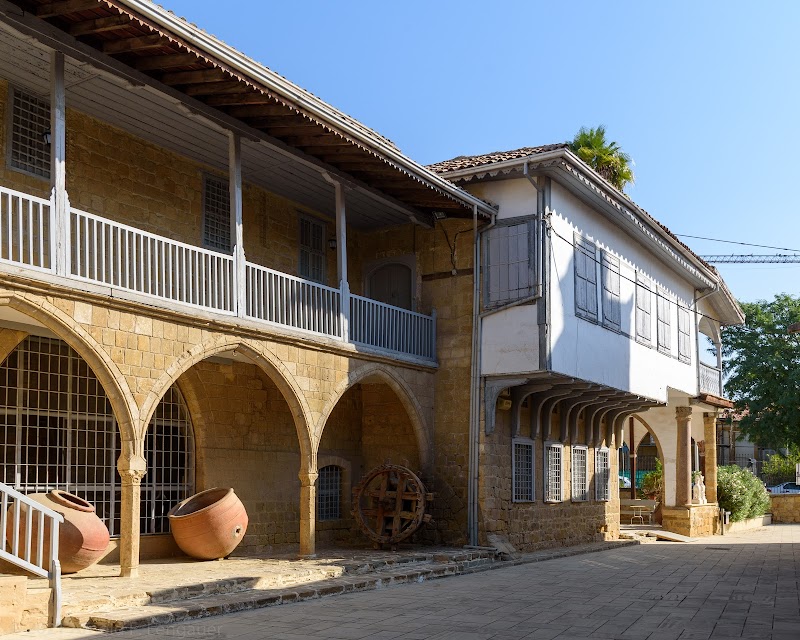
The Cyprus Folk Art Museum occupies one of Nicosia's oldest surviving structures — a fourteenth-century Gothic monastery whose vaulted stonework is itself a compelling reason to step inside. The collection it shelters is an intimate portrait of Cypriot rural life before the age of mass tourism: hand-woven fabrics bearing the intricate geometric patterns of Lefkara lace, glazed pottery with age-old motifs, wrought-iron tools, carved wooden agricultural implements, and folk costumes whose every embroidered detail once communicated the wearer's village, marital status, and social standing. The Cyprus Ethnological Society established the museum in 1950, at precisely the moment when industrialisation was beginning to sweep away centuries of craft tradition. That urgency of preservation gives the collection its particular poignancy — these are not decorative objects but working artefacts rescued from farmhouses and village workshops that were changing beyond recognition. The thousands of items now on display make this one of the most rewarding museums in Nicosia for anyone seeking to understand the island's cultural depth beyond its ancient temples and mosaics. Tickets & info: Located on Archiepiskopou Kyprianou Square. Open Monday to Friday 09:30–16:00, Saturday 09:30–13:00; closed Sunday. Admission is modest. Further details at the Cyprus Tourism Organisation website.
Address: Square of Archbishop Kyprianos, Πλ. Αρχιεπισκόπου Κυπριανού, Nicosia 1016, Cyprus
- Agios Ioannis Cathedral
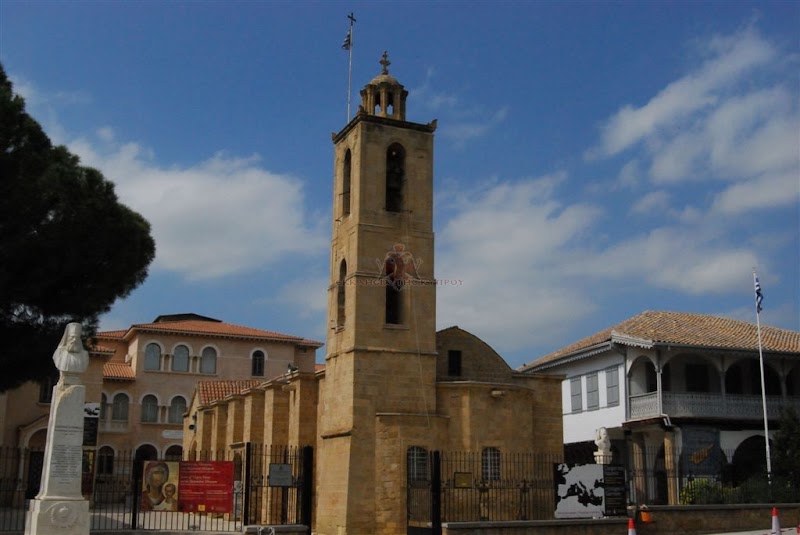
Visit Saint John's Cathedral first thing in the morning, when the low lateral light through the side windows brings the colours of the frescoes to life in a way that simply cannot be replicated at any other time of day. The Cathedral of Saint John, built in 1662 by Archbishop Nikiforos on the grounds of a former Benedictine monastery, is the official cathedral of the Church of Cyprus and one of the finest repositories of 18th-century Cypriot religious painting on the island. From the outside, it is a deceptively modest building — small in scale, constructed of pale limestone, with none of the architectural grandeur that the word "cathedral" might suggest. Step inside, however, and every surface reveals itself to be covered in frescoes painted between 1736 and 1755, forming a complete and coherent iconographic programme spanning biblical narrative and the lives of the saints. What makes these frescoes particularly compelling is their distinctly Cypriot character: while
Address: Πλ. Αρχιεπισκόπου Κυπριανού, Nicosia 1016, Cyprus
- Archbishop's Palace
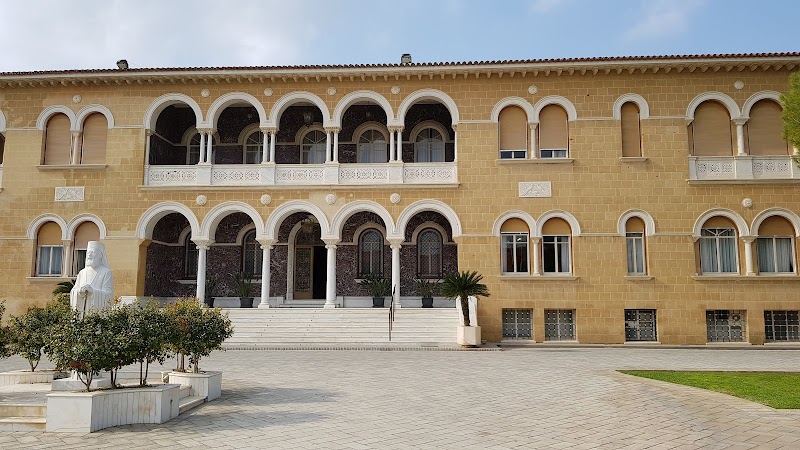
In 1956, at the height of the EOKA uprising against British colonial rule, Archbishop Makarios III — spiritual leader of the Church of Cyprus and the face of the independence movement — was arrested and deported directly from the courtyard of the Archbishop's Palace in Nicosia. Just four years later he returned in triumph as the first president of independent Cyprus, transforming the palace into one of the most charged sites in the island's 20th-century political and religious history. The Archbishop's Palace anchors the heart of the Greek Cypriot old city and forms, together with the Cathedral of Saint John the Theologian and the adjacent Byzantine Art Museum, a coherent complex that is essential for anyone seeking to understand the cultural and religious identity of Cyprus. The imposing neo-Baroque palace building dating from the 1970s, dominated by a colossal bronze statue of Makarios at its entrance, creates a striking contrast with the austere 17th-century cathedral beside it. Inside the palace a gallery holds a significant collection of icons, frescoes, and illuminated manuscripts — testimony to a thousand years of Christianity on the island. Before leaving, step inside Saint John's Cathedral itself to see its remarkable 18th-century wall paintings, considered among the finest examples of Orthodox fresco painting on Cyprus. Tickets & info: Entry to Saint John's Cathedral is free (donations welcome); the Byzantine Art Museum next door charges approximately €2.50. Cathedral hours: Mon–Fri 8:00–12:00 and 14:00–16:00, Sat 9:00–12:00. The surrounding courtyards are freely accessible. Further information at Church of Cyprus website
Address: Archbishop's Palace, Isokratous, Nicosia 1016, Cyprus
- Byzantine Museum
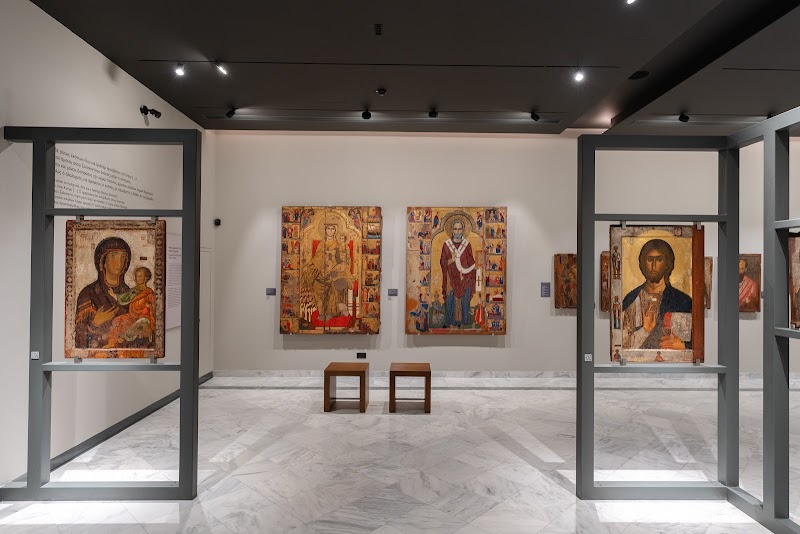
Visit on a weekday morning — you'll beat the school groups and the worst of the midday heat that can make walking the old city uncomfortable during summer months. The Byzantine Museum of Nicosia, operating under the Archbishop Makarios III Foundation and housed in a building on Archbishop Kyprianos Square, holds the largest collection of Cypriot Byzantine icons in the world — over 230 works spanning the 9th to the 19th century. Cyprus occupies a unique position in the history of Christian art: sitting at the crossroads of Eastern and Western traditions, the island developed its own distinct iconographic style, and this museum is the finest place to encounter it in full depth. Many of the exhibits come from churches in the Turkish-occupied north of the island and were relocated here after the events of 1974. A remarkable thread running through the museum's history is its role in recovering looted sacred art. Following the 1974 invasion, hundreds of icons and frescoes were stripped from northern Cypriot churches and sold through international art markets. The museum has been instrumental in identifying and repatriating these works — most famously the 6th-century Panagia Kanakaria mosaics, stolen from the church at Lythrangomi, traced to an Indianapolis dealer, and returned to Cyprus in 1991 in a landmark legal case. Highlights:The Panagia Kanakaria mosaics — 6th-century Early Byzantine masterpieces recovered after theft12th–14th century icons representing the peak of the Cypriot iconographic schoolFrescoes relocated from endangered or destroyed churches in the occupied northTickets & info: Adult ticket 5 EUR, reduced 2.50 EUR. Open Monday–Friday 9:00–17:00, Saturday 9:00–13:00, closed Sunday. Link: official website
Address: Πλ. Αρχιεπισκόπου Κυπριανού, Nicosia 1016, Cyprus
- Swimming Birds
Address: Παλιάς Ηλεκτρικής 5, Nicosia 1016, Cyprus
- Faneromeni Church
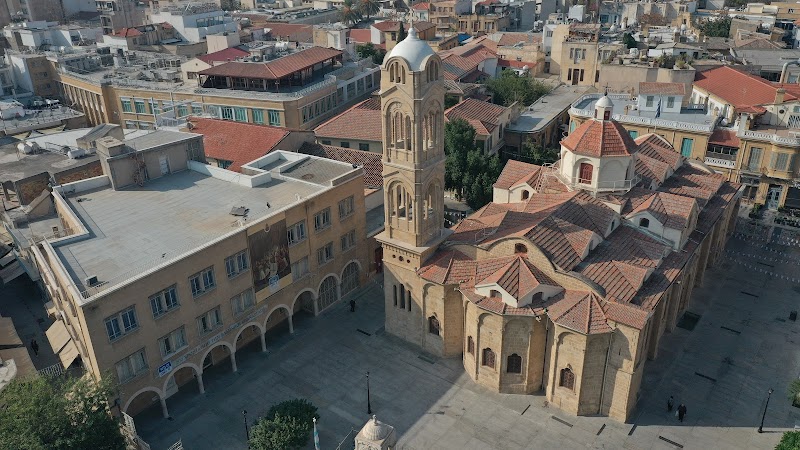
When the Archbishop of Cyprus was executed in the courtyard of Faneromeni Church in 1821 along with three other bishops and prominent laymen — hanged on the orders of the Ottoman governor Küçük Mehmet in retaliation for the Greek uprising on the mainland — the event became one of the defining traumas of Cypriot collective memory, and the church became its permanent memorial. The current building, constructed between 1872 and 1882 in an eclectic neoclassical style on the site of an earlier church that itself stood on the ruins of a medieval monastery, is the largest church within Nicosia's Venetian walls. Its role in the community has always extended beyond the purely religious: for many decades a school operated within its precinct, making Faneromeni a centre of Greek Cypriot education as well as worship in the heart of the old city. The church faces a small square of the same name, one of the most pleasant open spaces in the walled city, shaded by trees and lined with cafes that make it a natural gathering point for the neighbourhood. The mausoleum in the courtyard — a graceful marble monument erected in 1821 to honour the executed ecclesiastical leaders — remains a place of pilgrimage and solemn remembrance for many Greek Cypriots, and should not be overlooked. Tickets & info: Free entry. Open daily during morning hours (approx. 8:00–12:00) and afternoon hours (approx. 15:00–17:30); hours vary around services. No official website; local tourist information is available at the Eleftheria Square visitor centre.
Address: Fanairomenis 55, Nicosia 1011, Cyprus
- Ledra Street & Crossing Point
Ledra Street is the only pedestrian crossing in the world that bisects an active UN buffer zone — a ceasefire line that has divided Nicosia between its Greek Cypriot south and Turkish Cypriot north since 1974. For decades the street ended abruptly at a concrete wall and barbed wire, a living monument to a frozen conflict. It was only in 2008 that the Ledra Street crossing was reopened, allowing people to walk freely between the two sides of the last divided capital in Europe. The street itself is Nicosia's most vibrant commercial artery, lined with cafés, international brands, and restaurants offering everything from traditional Cypriot meze to espresso. Stepping through the checkpoint is a genuinely arresting experience: within a few dozen paces, Greek signage gives way to Ottoman script, minarets rise above the roofline, and the scent of the bazaar replaces the aroma of Cypriot coffee. The narrow buffer zone itself — with its abandoned hotels and ghost buildings frozen mid-renovation since the 1970s — offers one of the most haunting urban landscapes in Europe, patrolled quietly by UN peacekeepers in blue berets. The crossing is free and open daily; bring a valid passport or national ID card, and find further travel tips at the Cyprus tourism official website.
Address: Ledras, Nicosia 1011, Cyprus
- Green Line / UN Buffer Zone
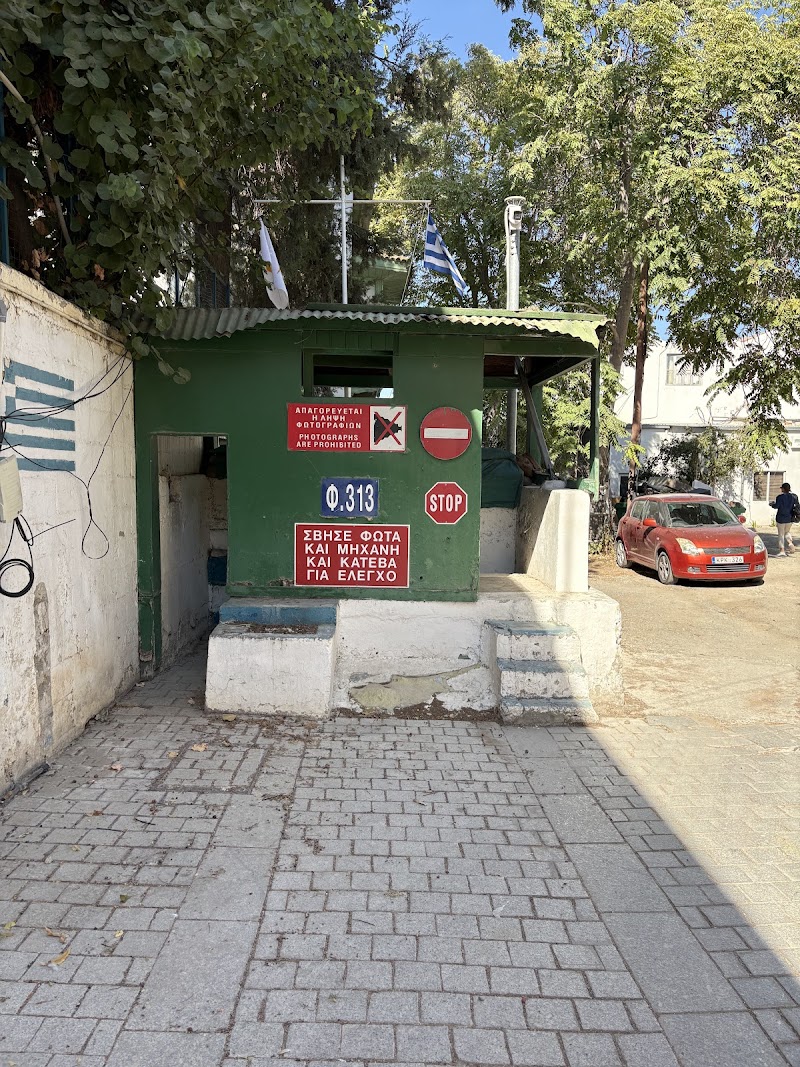
Visit the Green Line early in the morning, when the streets on both sides of the buffer zone are still quiet and you can truly feel the weight of history hanging in the air without the noise of tour groups around you. The Green Line is one of the most extraordinary relics of Cold War geopolitics anywhere on earth — a United Nations buffer zone that cuts across Nicosia and the entire island along the 1974 ceasefire line, drawn after Turkish forces occupied the northern part of Cyprus following a failed coup backed by the Greek military junta. Within Nicosia itself the zone is just a few metres wide in certain spots, slicing through the city centre like a frozen wound — abandoned buildings, shrubs pushing up through concrete floors, and fuel drums serving as barricades define the landscape. UN soldiers on patrol and the organisation's blue-and-white flags are a constant and quietly surreal presence. A detail few visitors know: some of the abandoned buildings inside the buffer zone have remained untouched since 1974, with family photographs and furniture still inside — time has literally stopped within those walls. The Ledra Street crossing point, opened in 2008, now allows pedestrians to pass freely through the zone, something that would have been unthinkable just two decades ago. Highlights:The observation point on Ledra Street with a direct view into the buffer zone and its frozen, abandoned buildingsThe Ledra Street pedestrian crossing — the only foot crossing in the city centre and a quiet symbol of gradual reconciliationMurals and art installations along the southern-side walls, created in memory of the island's divisionTickets & info: Free access to the observation area. Border crossing open daily. A passport or national ID is required to cross. Link: UNFICYP official website
Address: 59F5+GH2, Granikou, Lefkoşa 1010
- Pafos Gate
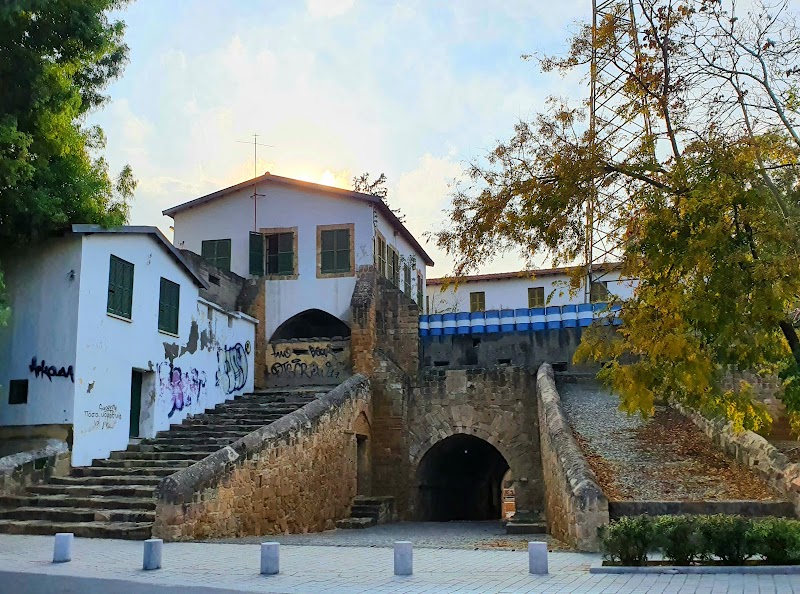
The Pafos Gate is today the most overlooked of all three gates in Venetian Nicosia's walls — and that neglect is precisely what makes it worth seeking out. Historically known as the Porta di San Domenico or Porta di Pafos, this gate guarded the western entrance to the city and opened onto the road that led toward the coast and the town of Paphos. It is the only one of the three gates built by the Venetians in 1567 to have survived in something close to its original architectural form — massive and squat, with a characteristic arch and the faint traces of heraldic carvings on the façade. Paradoxically it was precisely the gate's marginal position along the modern ceasefire line that spared it from the successive adaptations imposed on the Kyrenia and Famagusta gates; it was simply too awkward to repurpose, and so it was left alone. Today it stands at the boundary between the Greek Cypriot and Turkish Cypriot parts of the city, just beside the Ledra Palace checkpoint, surrounded by UN buildings and barbed wire — a landscape that is itself a silent document of the island's division. There are no souvenir stalls or cafés around Pafos Gate, only an uneasy quiet and an undeniably striking view of architecture suspended between history and political present. Entry is free and the exterior can be visited year-round; the gate is not the subject of a dedicated exhibition but is listed among Nicosia's protected monuments as part of the Venetian defensive system — further details at the official website.
Address: 59F4+FPR, Nicosia 1010, Cyprus
- Il Forno Restaurant
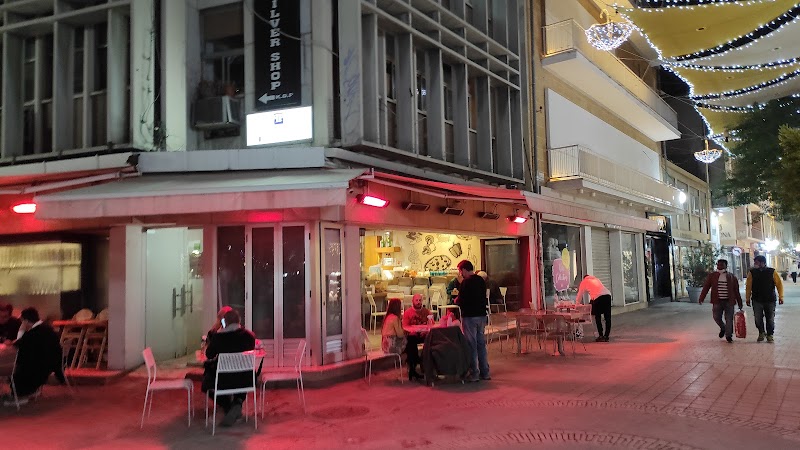
Few people know that Il Forno starts baking its bread before dawn — arrive at opening time and you may still feel the warmth radiating from the stone wood-fired oven that stands proudly near the entrance like the restaurant's main character. This is a proper Italian osteria run by a Neapolitan with decades of experience and his Cypriot wife — a combination that shows beautifully in the menu. The thin-crust pizzas emerging charred and blistered from the wood-fired oven are a point of pride here, but the house-made pastas and the tiramisu prepared fresh every single day deserve equal attention. The atmosphere is warm and family-oriented, and the staff are genuinely happy to steer you toward whatever came out best that day. In short: €18–30 per person • Tue–Sun 12:00–15:00 & 18:00–23:00 • Book ahead for dinner • website
Address: Ledras 216-218, 1011, Lefkoşa 1011, Cyprus
- Leventis Municipal Museum
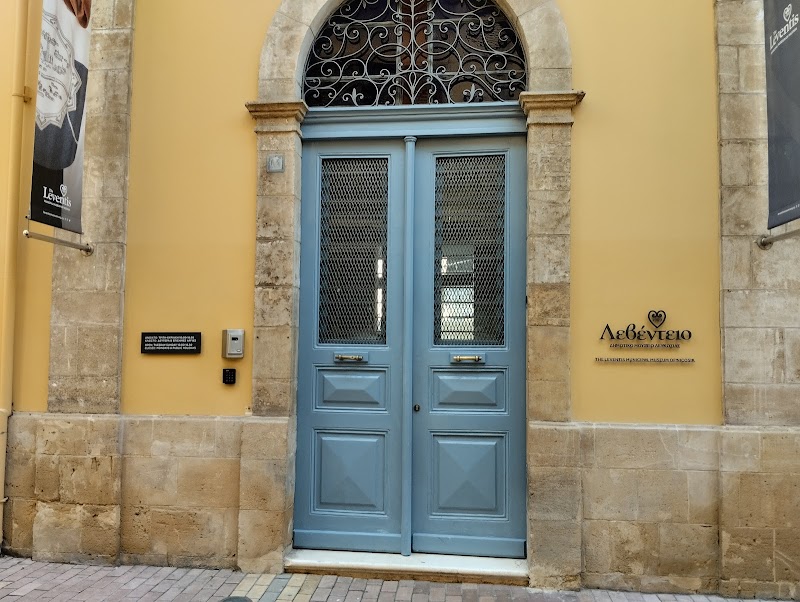
The Leventis Municipal Museum feels like a lovingly assembled family album of a city — walking through its rooms you have the sense of a private collection opened to a trusted guest, except that this collection spans nine thousand years of Nicosia's existence. The objects on display — old photographs, ceramics, costumes, coins, documents, and works of art — carry an intimate, personal quality that larger national museums often sacrifice in favour of grandeur. The quiet 18th-century townhouse in the old city that holds the collection is itself part of the exhibit. The museum was established in 1984 through the philanthropy of the Leventis Foundation, one of Cyprus's foremost cultural benefactors, and quickly earned international recognition as a model of thoughtful, human-scale museology — winning the prestigious European Museum of the Year Award in 1989. Its permanent collection traces Nicosia's fortunes across successive eras — from prehistoric times through the Lusignan, Venetian, Ottoman, and British periods to the present day — revealing how a single city absorbed wave after wave of cultures, languages, and religions without losing its essential continuity. The section devoted to everyday life in Nicosia during the first half of the 20th century is particularly moving. Highlights:<ul
Address: Hippocratous 15-17, Nicosia 1011, Cyprus
Day 2
- Red Orange Kiosk & Espresso Coffee Bar
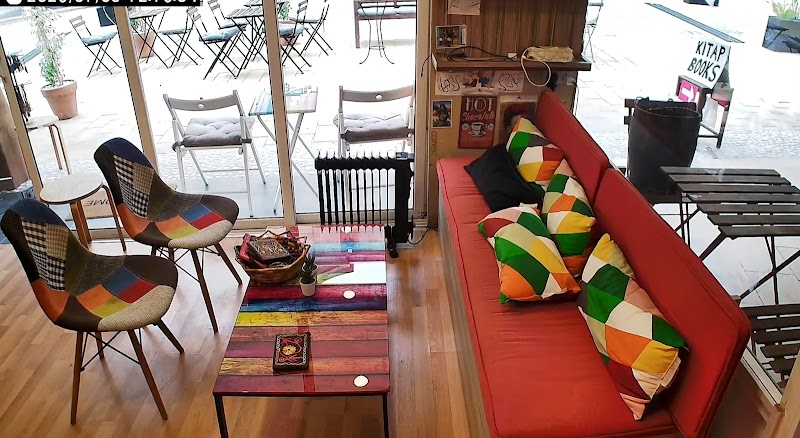
Red Orange Kiosk was born from a deceptively simple question: what if a street kiosk took coffee as seriously as the best specialty bars in the world? The founders opened this compact, glass-fronted spot in central Nicosia with a point to prove — that format is no excuse for mediocrity — and they've made that point convincingly. The menu is focused and uncluttered: sharp espresso pulled with real technical discipline, cold brew that's been steeping for a full 24 hours, and freshly pressed juices that gave the kiosk its vivid orange identity and set it apart from every other takeaway counter in the neighbourhood. There's an energy to the place that suits the city — fast, confident, no-nonsense — yet the baristas slow down enough to talk you through origins and roast profiles if you ask; open Tuesday to Sunday 8:00–18:00, with drinks from €2.50, and you can find them at their page.
Address: Girne Cd, Lefkoşa 99010
- Kyrenia Gate
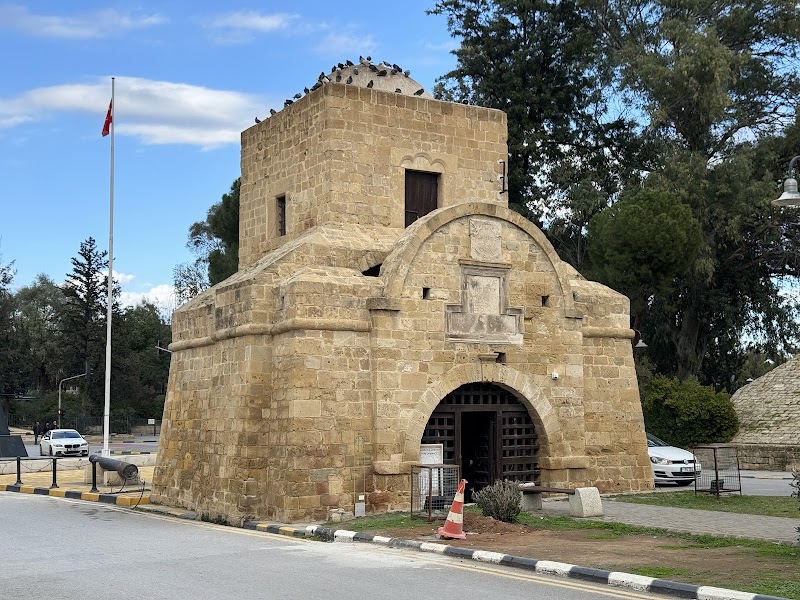
Kyrenia Gate has stood in the same spot for more than 450 years — it was one of three gates piercing the massive Venetian walls built around Nicosia between 1567 and 1570, and it is the only one to have survived almost entirely intact to the present day. When the Venetians resolved to rebuild Nicosia's defences against the growing Ottoman threat, the old medieval walls were demolished and replaced with a new circuit — circular in plan, with the famous eleven bastions that still define the boundary of the old city. Kyrenia Gate, also known as the Porta del Proveditore, served as the main entry into the city from the north, connecting it to the road that led down to the harbour at Kyrenia. Barely a year after its completion, in 1571, Ottoman forces entered Nicosia through this very passage — and the gate changed hands. Over the following centuries it served in turn as a guardhouse, a customs post, and during the British colonial period as a police lock-up. Today it stands quietly at the ceasefire line, in the shadow of the Turkish Cypriot flag, and while it cannot be crossed, it can be approached and examined up close from both sides. The old guard chamber inside houses a small exhibition on the history of the city walls; the shaded green surroundings make it a pleasant pause from the noise of the city. Entry to the gate area from the buffer-zone side is free and generally accessible during the day — learn more about the history of Nicosia's walls at the official website.
Address: 59J6+PP, Nicosia 99010
- National Struggle Museum
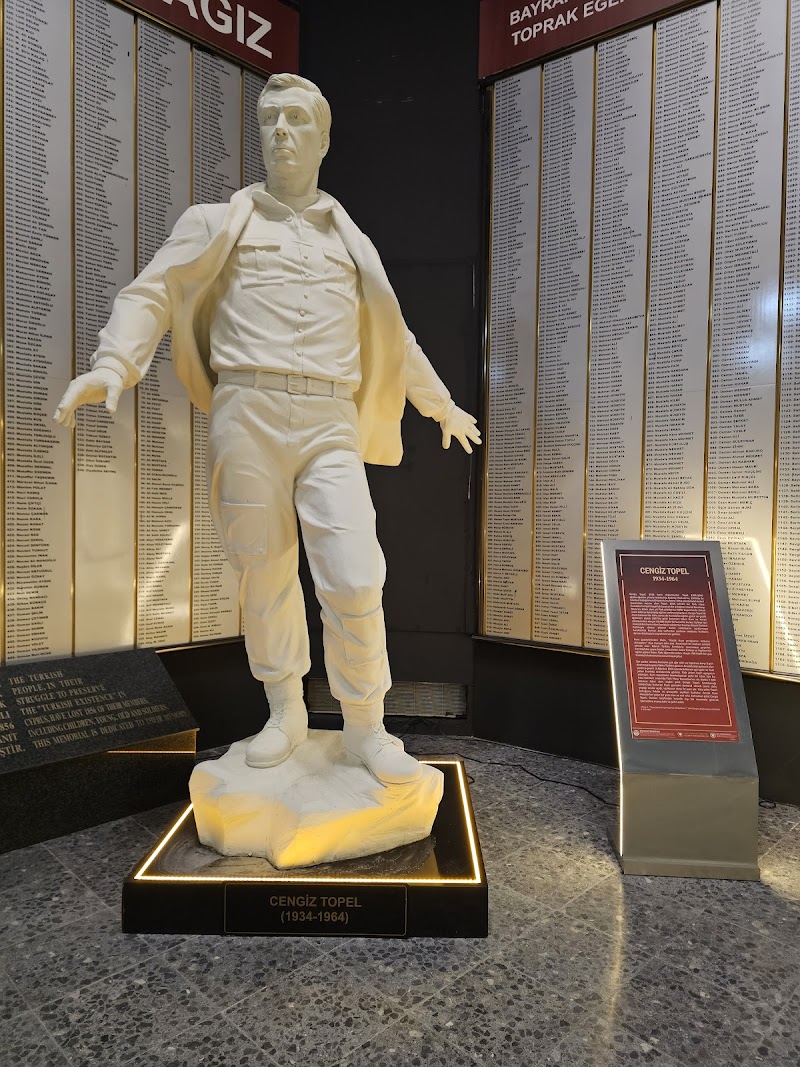
Muzeum Walki Narodowej (znane również jako Muzeum EOKA) to wyjątkowe miejsce na mapie Nikozji, zlokalizowane w sąsiedztwie Pałacu Arcybiskupiego na placu arcybiskupa Kyprianosa. Muzeum dokumentuje kluczowy i krwawy okres w nowoczesnej historii wyspy – walkę cypryjskich Greków przeciwko brytyjskiemu panowaniu kolonialnemu w latach 1955–1959. Celem tej kampanii, prowadzonej przez podziemną organizację EOKA (Narodowa Organizacja Cypryjskich Bojowników), była niepodległość wyspy oraz Enosis – zjednoczenie Cypru z Grecją.
Address: İstanbul Cd, Lefkoşa 99010
- Büyük Han (Great Inn)
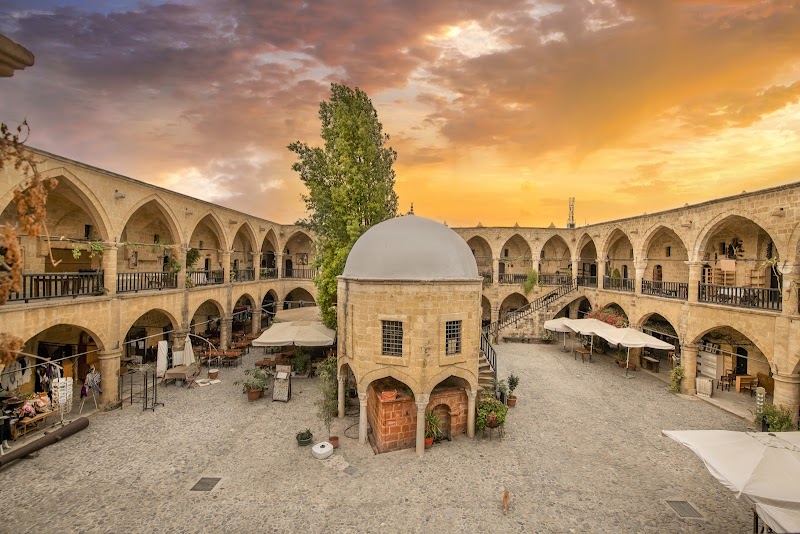
Stepping through the thick stone archway of Büyük Han, you're immediately wrapped in a hush that feels almost miraculous given the busy streets just outside — the only sounds are footsteps on ancient flagstones, the gentle splash of the courtyard fountain, and the low murmur of conversation drifting from the shaded arcades. This Ottoman caravanserai, built in 1572 shortly after the Ottoman conquest of Cyprus, is the largest inn of its kind on the island and one of the best-preserved examples of Ottoman architecture in the entire eastern Mediterranean. Büyük Han — the Great Inn — was purpose-built to shelter traveling merchants and their animals along an important trade route, with over sixty rooms arranged around its central courtyard. At the heart of the space stands a jewel-like small mosque raised on an octagonal base beneath which a cistern collects rainwater — an engineering solution as elegant as it is practical. After centuries that saw it serve as a British colonial prison and then fall into near-dereliction, a thorough restoration in the 1990s transformed Büyük Han into a vibrant cultural hub. Today its two-storey arcaded galleries house potters' studios, art galleries, and wonderfully atmospheric cafés. Highlights:The miniature mosque on its octagonal podium at the center of the courtyard — a unique gem of Ottoman sacred architectureThe two-storey arcaded galleries lined with craftspeople's studios and shops selling local ceramics and textilesThe courtyard fountain and cistern — the social heart of the inn, perfect for a slow coffee in the shadeTickets & info: Free entry to the courtyard. Hours: daily approximately 10:00–18:00; individual galleries keep their own hours. Official website
Address: Büyük Khan,Nicosia,Cyprus, Lefkoşa 99010
- Selimiye Mosque (St. Sophia Cathedral)
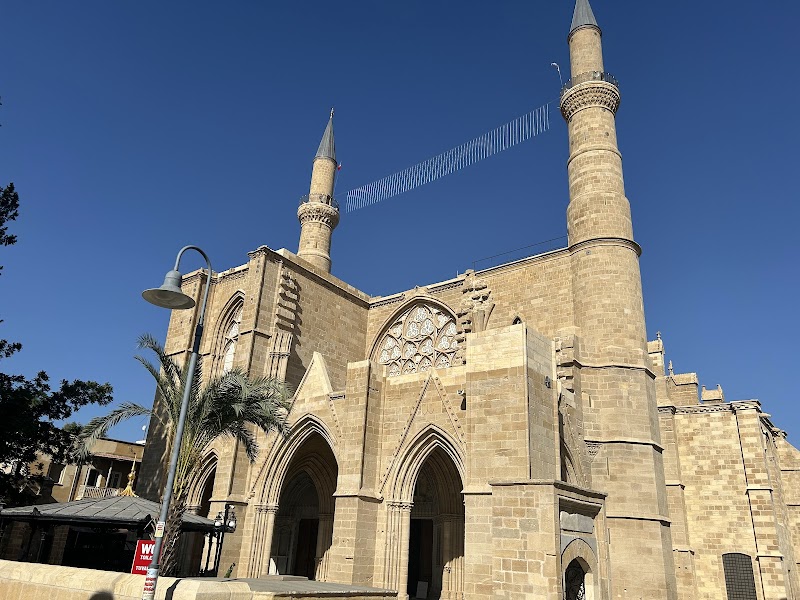
The Cathedral of Saint Sophia in Nicosia took nearly a century to build — construction began around 1209 and the building was consecrated only in 1326, with finishing work continuing for decades afterward. This Gothic cathedral, one of the finest examples of French Gothic architecture anywhere outside of France, served as the principal church of the Kingdom of Cyprus under the Lusignan dynasty for over three hundred years. It was here that the kings of Cyprus were crowned, and then proceeded in a second ceremony to be symbolically crowned as kings of Jerusalem — a title the Lusignans maintained with great ceremony long after the Holy Land itself had been lost. When the Ottomans captured Nicosia in 1570, the cathedral was converted into a mosque within days: its interior was stripped and whitewashed, its sculptures defaced, and two slender minarets were added to the western facade, giving the building the striking hybrid silhouette it carries to this day. Now known as the Selimiye Mosque, it serves as the principal Islamic place of worship in the Turkish-controlled north of Nicosia. The interior retains its Gothic nave rhythm and soaring pointed arches, creating a genuinely extraordinary space where medieval Christian architecture and active Islamic worship coexist. The western portal, with its layered decorative stonework, remains one of the finest surviving examples of Levantine Gothic on the entire eastern Mediterranean. Entry is free, though the building is located in the Turkish-controlled north of the city; crossing the Nicosia checkpoint requires a valid identity document. The mosque is open to visitors outside prayer times; see the North Cyprus tourism site for current details.
Address: Selimiye Sk, Lefkoşa 99010
- Bandabulya Municipal Market (North)
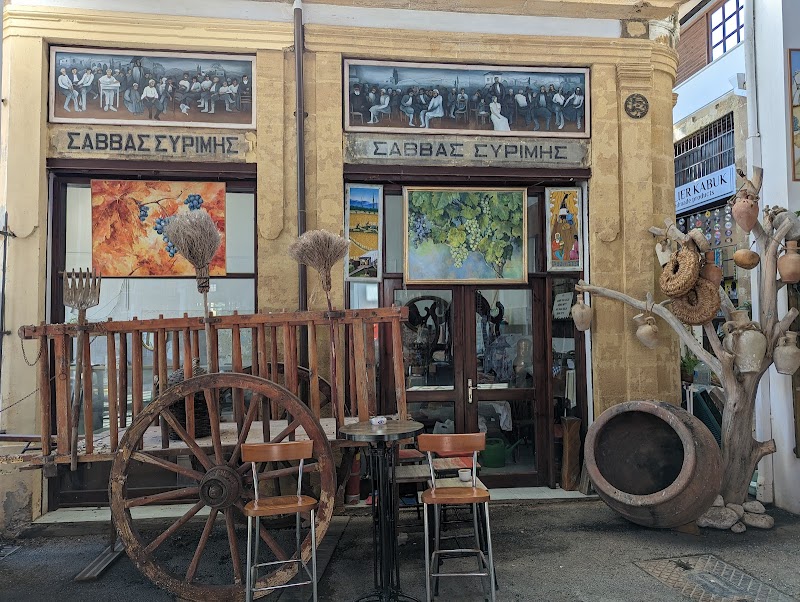
Bandabulya Municipal Market is one of those places where the city truly comes alive — the air hangs thick with the scent of fresh herbs, spices, and ripe fruit, while the animated chatter of vendors mingles with the shuffle of hundreds of shoppers. The old market building, with its distinctive stone architecture, wraps visitors in a welcome coolness even on the most sweltering Cypriot afternoon, and the vivid stalls form a mosaic that is genuinely hard to pull your eyes away from. This is not just a market — it is a full sensory performance. The Bandabulya Market, also known as the Bedestan, has roots stretching back to the Venetian and Ottoman periods, its walls having witnessed centuries of trade when it served as the central hub of commerce in the city. Over the decades it served many roles, including as a place of worship, before eventually becoming the beating heart of Nicosia's retail life. A thoughtful revitalization breathed new energy into the space, blending deep historical character with the vibrant spirit of a modern urban market. Highlights:Local produce stalls offering halloumi, dried figs, and Cypriot olives direct from producersThe original Bedestan architecture with beautifully preserved Venetian and Ottoman stone detailsA crafts and souvenirs section featuring authentic Cypriot ceramics and handwoven textilesTickets & info: Free entry. Open Monday to Saturday, mornings through early afternoon. Link: official website
Address: Municipal Market, Kuyumcular Sk, Nicosia 99010
- To Anamma Traditional Restaurant
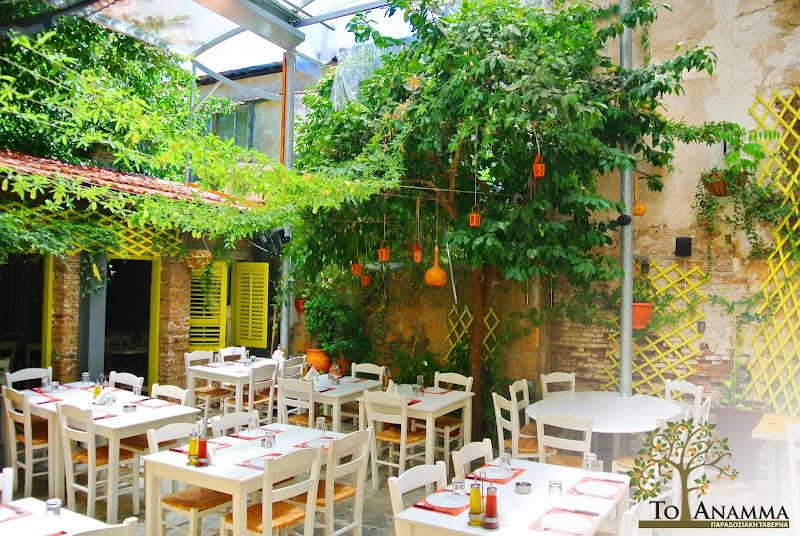
To Anamma — the name translates roughly as "remembrance" or "a thing recalled from memory" — opened with a clear and quietly urgent purpose: to rescue traditional Cypriot home cooking from disappearing, preserving recipes passed down orally through generations and dishes that were vanishing from family tables as island life accelerated. Run by a family with deep roots in Cypriot gastronomy, it has no interest in being fashionable, which is precisely what makes it extraordinary. The menu follows the season and the market: expect kleftiko slow-baked for hours in a sealed clay oven, trahanas served in rich homemade broth, afelia braised in red wine with coriander seeds, and mezze platters that function as a miniature map of the island's culinary geography. The pace is intentional and unhurried — the staff will happily walk you through the provenance of each dish, and the portions communicate Cypriot hospitality more eloquently than any description could. Open Tuesday to Sunday 12:00–23:00, with dinner for two coming in at €30–55, reservations recommended at least a day ahead — contact details and the full menu are at their page.
Address: Ledra Street 89 Λευκωσία CY 1011, Ledras, Nicosia 1011, Cyprus
- Eleftheria Square
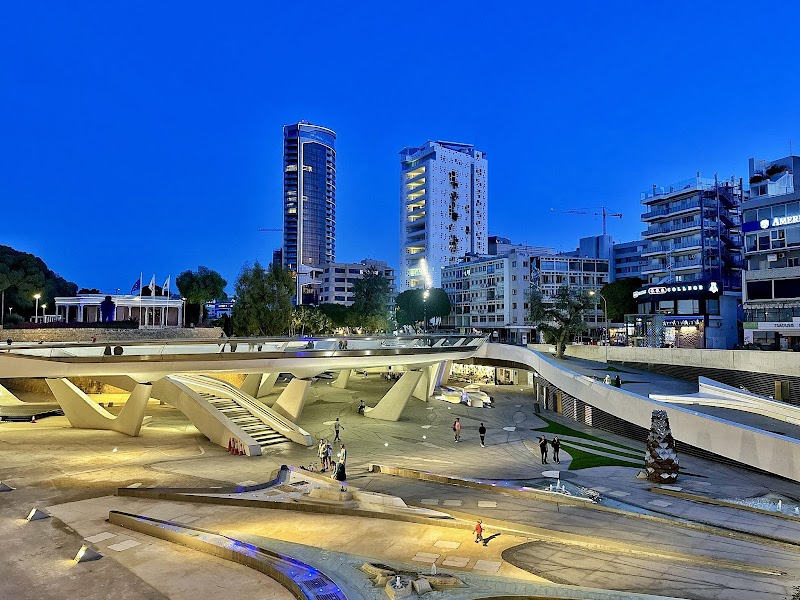
Eleftheria Square — Freedom Square — sits on the exact site where Nicosia's principal city gate stood for centuries, and its current form is the result of one of the most debated architectural projects in Cyprus in recent memory: a sweeping redesign by the late Zaha Hadid, completed posthumously and inaugurated in 2021. The transformation turned a tired, traffic-choked roundabout into a billowing, multi-level civic forum of white concrete and glass that flows organically down into the historic moat of the Venetian Walls — creating a seamless bridge between the contemporary city and its 16th-century fortifications. Opinion among Nicosians remains genuinely divided: admirers see a bold statement befitting a modern European capital, while critics argue that the sinuous futurist forms sit uneasily against the ancient stonework. Whatever one's verdict, the square is undeniably alive at every hour — civil servants grabbing morning coffee, schoolchildren at noon, families and skateboarding teenagers filling the terraces in the evenings. When visiting, walk down to the bridge level that connects the square to the Famagusta Gate and look back across the city — it's one of the few genuine panoramic viewpoints in Nicosia's flat historic centre. Entry is free and the square is open around the clock; the Nicosia Municipality hosts regular markets, concerts, and cultural events here, with the programme available at the official website.
Address: Konstantinou Palaiologou 20e, Nicosia 1010, Cyprus
- Cyprus Museum
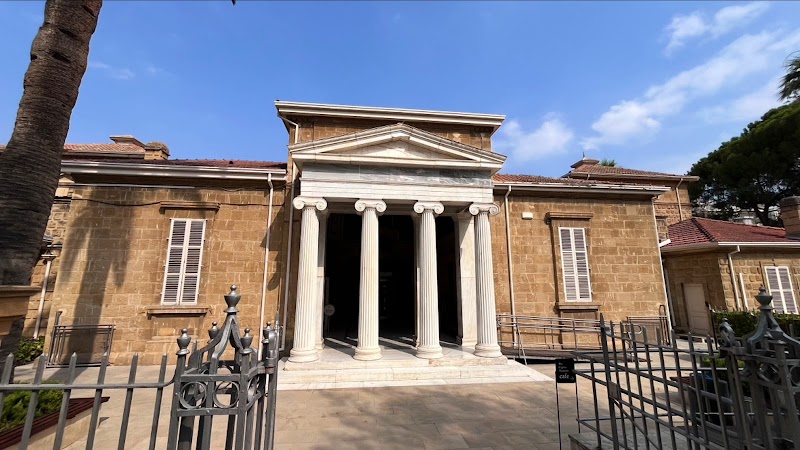
In 1894, the British governor of Cyprus issued an unusual order: every artifact accidentally unearthed by farmers plowing their fields had to be collected and preserved rather than discarded or sold. This seemingly simple directive seeded what would become the Cyprus Museum — the oldest and most important archaeological museum on the island, now home to finds spanning an unbroken arc of human presence from the Neolithic period to early Christian times. The museum's star attraction is a breathtaking display of nearly two thousand terracotta figurines from the sanctuary of Agia Irini, arranged in a semicircle that mirrors exactly how they were discovered during the 1929 excavations — warriors, priests, bulls, and charioteers frozen mid-ritual for over two and a half millennia. Equally remarkable is the marble statue of Aphrodite from Soli, carved in the 2nd century BC and considered one of the finest representations of the goddess in the entire Mediterranean world. Collections of Mycenaean pottery, bronze sculptures, royal jewelry, and ancient coinage round out a museum that traces Cyprus's unique role as a cultural crossroads between Greece, Phoenicia, and the ancient Near East. Tickets & info: Full price: €4.50, concessions: €2.50. Hours: Mon–Fri 8:00–17:00, Sat 9:00–17:00, Sun 10:00–13:00. Check ahead for public holiday closures. Official website
Address: Mouseiou 1, Nicosia 1097, Cyprus
- A.G. Leventis Gallery
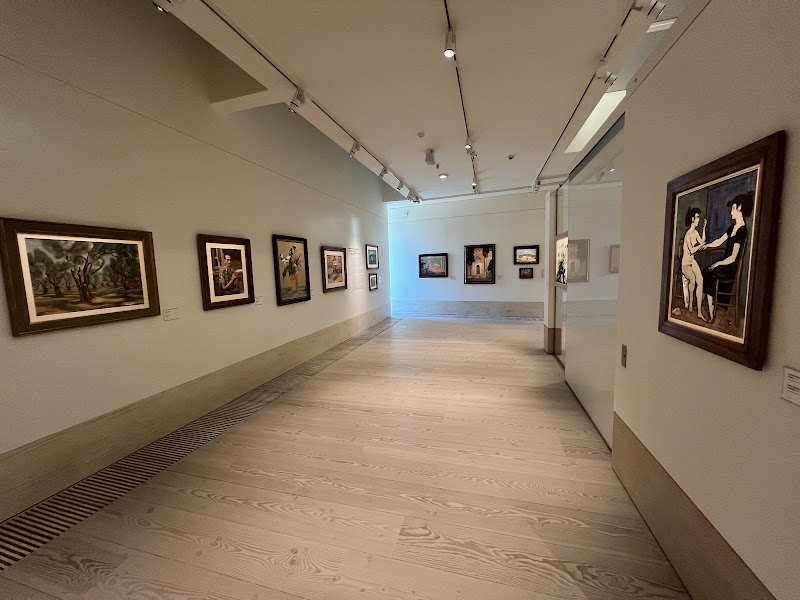
The A.G. Leventis Gallery opened in 2014 as a gift from the Leventis Foundation to the city of Nicosia, housed in a carefully restored colonial-era building on Hippokratous Street in the heart of the old town. It was established with a singular mission: to tell the complete story of Nicosia from prehistoric times to the present day, making it the only institution on the island dedicated entirely to the urban history of the Cypriot capital. With over 300 exhibits — including paintings, maps, photographs, ceramics, and everyday objects — the gallery unfolds as a chronological narrative of the city rather than a traditional art or archaeology collection. This focus on urban life, social history, and the evolving cityscape sets it apart from every other museum in Cyprus. Visitors who expect ancient artefacts are often surprised to find themselves captivated by 16th-century Venetian city maps, Ottoman-era street scenes, and photographs documenting the colonial transformation of Nicosia's architecture. The gallery also holds an important collection of European Orientalist paintings depicting Cyprus, offering a fascinating outsider perspective on how the island was perceived and romanticised by Western artists across the centuries. Don't miss the rare Venetian cartographic maps, the Orientalist painting series, and the section dedicated to Nicosia's colonial-era architecture. Tickets & info: Free entry. Open Tuesday to Sunday 10:00–16:30 (Thursdays until 19:00), closed Mondays. Link: official website
Address: 5, Anastasios G, Οδός Α. Γ. Λεβέντη 1097, Lefkoşa 1097, Cyprus
- Brew Lab Nicosia
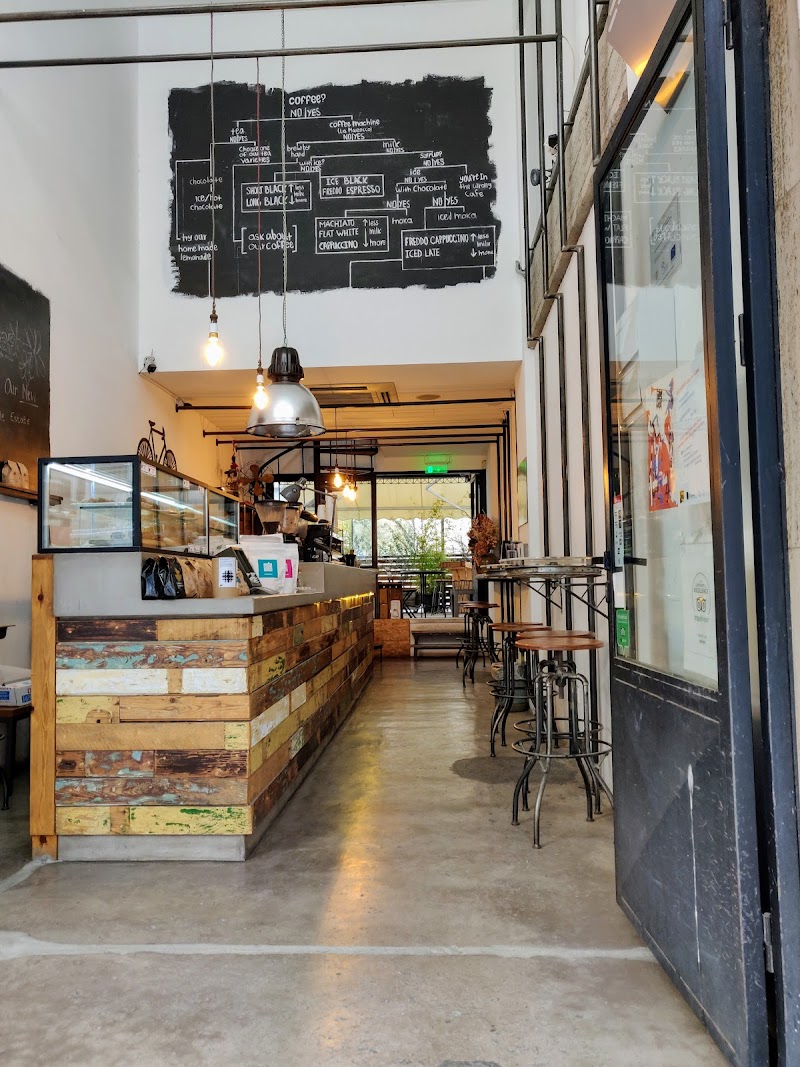
Ask the barista what they're currently excited about — the staff here are often competitors in Cyprus's national barista championships and will happily brew you something off-menu if you show genuine curiosity. Brew Lab Nicosia is the kind of specialty coffee shop that quietly raised the bar for the entire city. The space is stripped back and purposeful: raw concrete, wooden counters, and shelves lined with brewing equipment signal that coffee is taken seriously here. Expect meticulously sourced single origin espresso, precise V60 pourovers, and a cold brew that's become something of a local institution during the long Cypriot summer. The homemade lemon tart pairs beautifully with a flat white and has developed a loyal following of its own. The crowd skews young, creative, and local — which tells you everything you need to know about the authenticity of the place. In short: €3–7 per coffee • Mon–Sat 7:30–18:00, Sun 9:00–15:00 • no reservation needed • website
Address: Stasikratous 3, Nicosia 1066, Cyprus
- Stasikratous Street
Stasikratous Street is the beating heart of modern Nicosia — a polished promenade where the scent of freshly brewed coffee drifts through the air and the reflections of designer boutique windows shimmer in the Mediterranean sun. This is where the Cypriot capital's residents come for their afternoon volta, the beloved tradition of strolling, being seen, sipping a frappe and eyeing the latest collections from international brands. The mood is effortlessly chic yet relaxed, with open-air café terraces at every turn beckoning you to slow down and linger. Stasikratous has served as the main artery of modern Nicosia's commercial life for decades, emerging as a vivid counterpoint to the historic old city enclosed within its Venetian walls. Following major revitalization works in the 1990s, the street became a showcase for the city's cosmopolitan ambitions — a place where Cypriot merchant tradition meets European fashion and the unhurried rhythms of Mediterranean daily life. Highlights:Boutiques from local Cypriot designers and jewellers offering handcrafted silverware — among the finest souvenirs you can take home from the islandCharming open-air cafés perfect for people-watching over an iced coffee or freshly squeezed lemonadeArt galleries and shops selling traditional Cypriot ceramics and Lefkara lace, recognized on the UNESCO Intangible Cultural Heritage listTickets & info: Free entry, street accessible 24/7; shops generally open Mon–Sat 9:00–20:00, with some cafés staying open late in summer; more at Visit Cyprus official website
Address: Stasikratous, Nicosia, Cyprus
- Pedieos River Linear Park
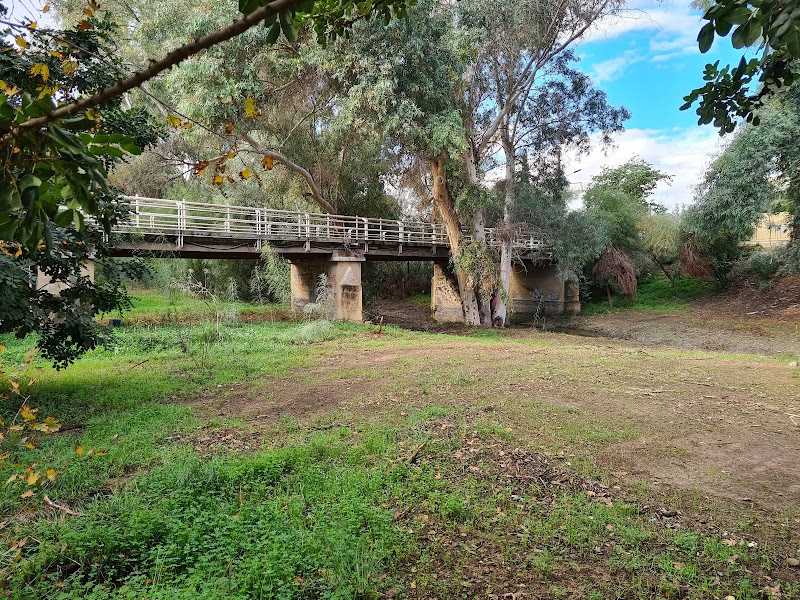
Arrive at Pedieos River Linear Park just after sunrise on any weekday morning and you will find Nicosia at its most alive — joggers, cyclists, and dog-walkers claiming the green corridor along the riverbank well before the city's museums and cafés have unlocked their doors. The linear park stretches for several kilometres along the Pedieos River, historically the most significant waterway on Cyprus and the natural artery around which Nicosia's earliest settlements grew. The trail passes through unexpectedly lush vegetation for a Mediterranean capital — willows, oleanders, and stands of reed create a leafy buffer that shuts out the surrounding urban noise almost entirely. A major revitalisation project in the early twenty-first century transformed what had become a neglected and partially culverted valley into a celebrated example of urban green infrastructure, winning multiple European planning awards. Rest points, outdoor fitness stations, playgrounds, and small amphitheatres punctuate the route at regular intervals, and in summer the park hosts open-air concerts and community events. The trail is free, open around the clock, and well connected to the city centre on foot and by bike; route maps and event listings are available at the Nicosia tourism official website. Highlights:Diverse riparian ecosystems along the Pedieos riverbankOutdoor fitness stations and open-air amphitheatresSummer concerts and cultural events in a natural settingTickets & info: Free entry, open 24 hours. More at visitnicosia.com.cy.
Address: 48QG+QR, Γραμμικό πάρκο Πεδιαίου, Strovolos 2054, Cyprus
About this plan
Nicosia – the world's only divided capitalNicosia is a city you cannot fully understand without knowing its history. As the only capital in the world still divided by a border between two sides — Greek Cypriot and Turkish Cypriot — Nicosia carries the weight of a conflict that never ended with a peace treaty but has persisted as a frozen dispute since 1974. Walking through the checkpoint takes only seconds, yet it transports you from the Republic of Cyprus into Northern Cyprus — the script on the signs changes, the currency in your pocket changes, a minaret replaces a church bell tower on the skyline. Nowhere else in Europe is historical and political division so literal and so immediate.How our plan helps you discover NicosiaNicosia is a city that demands context — without it, you risk wandering among walls and churches without truly understanding what you're looking at. Our plan guides you through both sides of the city in a carefully considered sequence, weaving together ancient history and the twentieth-century conflict that has shaped this place to this day. Every attraction comes with a description that explains its significance — not just the architecture, but the reasons why a given place stands where it stands and looks the way it looks. The plan also includes well-reviewed places to eat and drink on both sides of the border, because Cypriot cuisine is one of the strongest arguments for coming here in the first place.Who is this plan for?This plan was created for people who want to understand Nicosia, not simply see it. It is an ideal choice for travellers interested in contemporary history, politics, and culture — those who want to return home feeling they encountered something genuinely uncommon. If you are visiting Nicosia for the first time and have one day to spare, our plan will help you use it better than you would without it, and ensure that a city which at first glance may seem less immediately spectacular than other European capitals leaves you with an impression that is entirely its own.