Two days in Catania is the perfect amount of time to experience not only the city's most iconic landmarks but also its authentic atmosphere. This ready-made Catania 2-Day Itinerary takes you through the historic centre, charming streets, local markets, scenic viewpoints, and lesser-known spots that many visitors overlook. Along the way, you'll find detailed attraction descriptions, practical travel tips, and recommendations for carefully selected restaurants, cafés, and pastry shops. With a thoughtfully planned two-day route, you can explore at your own pace, without rushing, while discovering both Catania's highlights and the local flavors that truly capture the spirit of the city.
Plan details
- City: Catania
- Number of days: 2
- Number of places: 31
Itinerary
Day 1
- Salumeria Patti
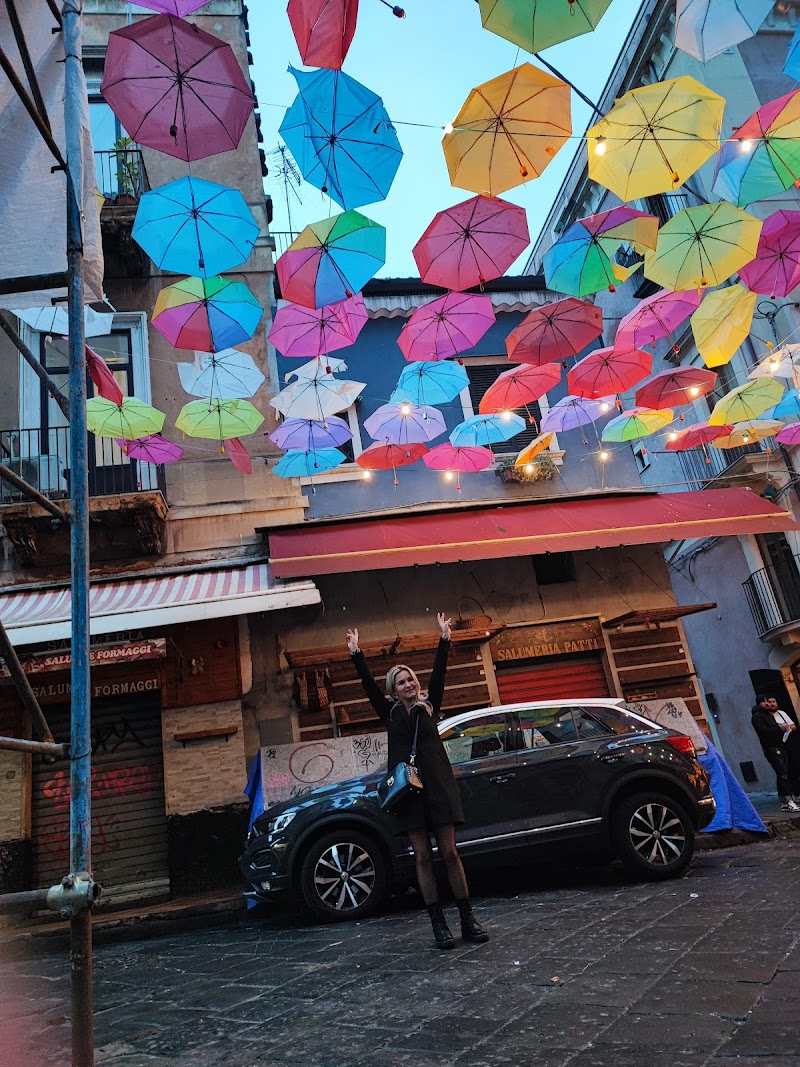
A small, family-run *salumeria* tucked away in one of the side streets near the fish market. From the outside, it looks like an ordinary shop selling local products, yet it is a favorite spot for locals to grab a quick lunch. The house specialty is freshly made panini that you customize yourself, choosing from Sicilian cheeses, cured meats, pesto, vegetables, and other local toppings. Everything is prepared on-site using truly high-quality ingredients.There is limited seating inside, so many customers order takeout and sit in the nearby Piazza del Duomo.
Address: V. Gisira, 8, 95121 Catania CT, Italy
- Porta Uzeda
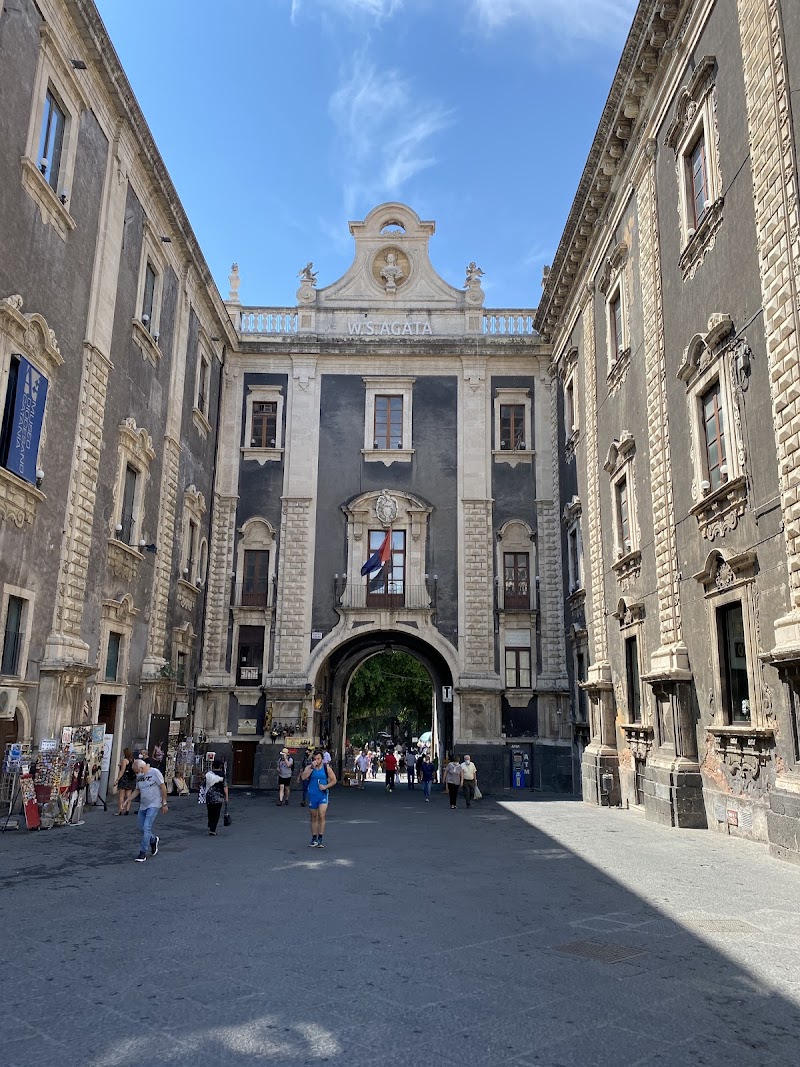
A Baroque gate serving as one of the main entrances to Catania's historic center. It was erected in the late 17th century following the catastrophic earthquake of 1693 and named in honor of the Spanish Viceroy Juan Francisco Pacheco Téllez-Girón, Duke of Uzeda. It was designed by Giovanni Battista Vaccarini—the same architect responsible for many of the city's most important Baroque structures.The gate is distinguished by an elegant light-stone façade adorned with columns, sculptures, and the coat of arms of the Kingdom of Spain. It formerly served as a ceremonial entrance from the port, through which dignitaries arriving by sea would enter the city.
Address: Piazza del Duomo, 95121 Catania CT, Italy
- Piazza del Duomo
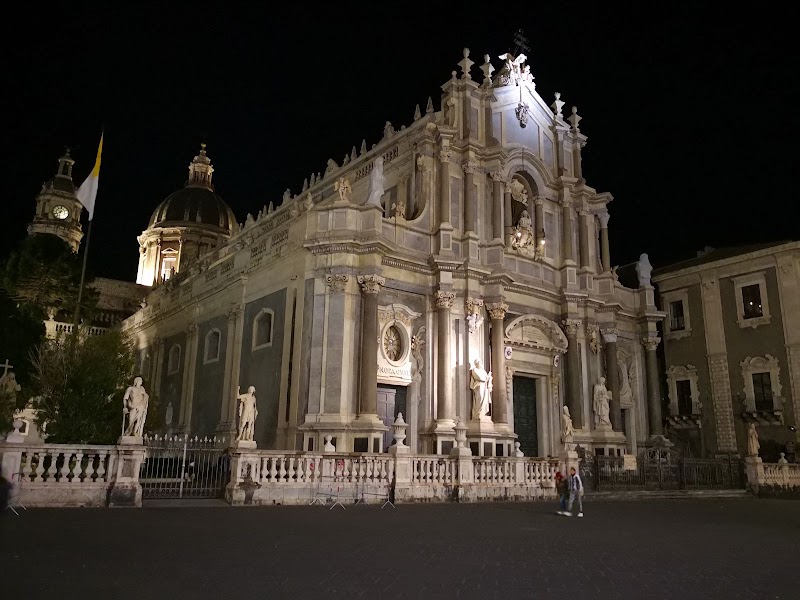
Address: Piazza del Duomo, Catania CT, Italy
- Fontana dell'Elefante (uʻ Liotru)
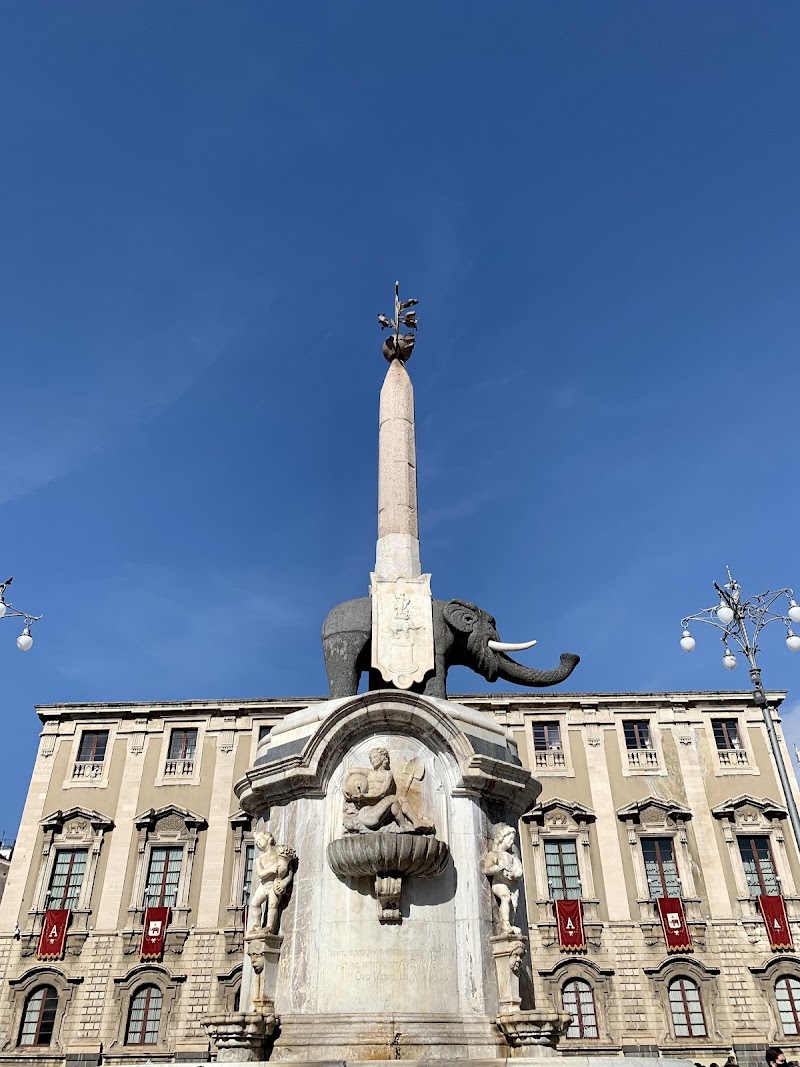
Catania’s most distinctive fountain and a symbol of the city, it was created in 1736 based on a design by Giovanni Battista Vaccarini. Its central feature is an elephant carved from black lava stone, bearing a tall Egyptian obelisk covered in hieroglyphs on its back. The contrast between the dark lava and the light marble makes the fountain an immediate eye-catcher. Known to locals as "Liotru," the elephant has been a symbol of the city for centuries. According to local legend, it was meant to protect Catania from the volcano's destructive power, although historians point out that the sculpture actually dates back to Roman times.
Address: Piazza del Duomo, 95124 Catania CT, Italy
- Basilica Cattedrale di Sant'Agata
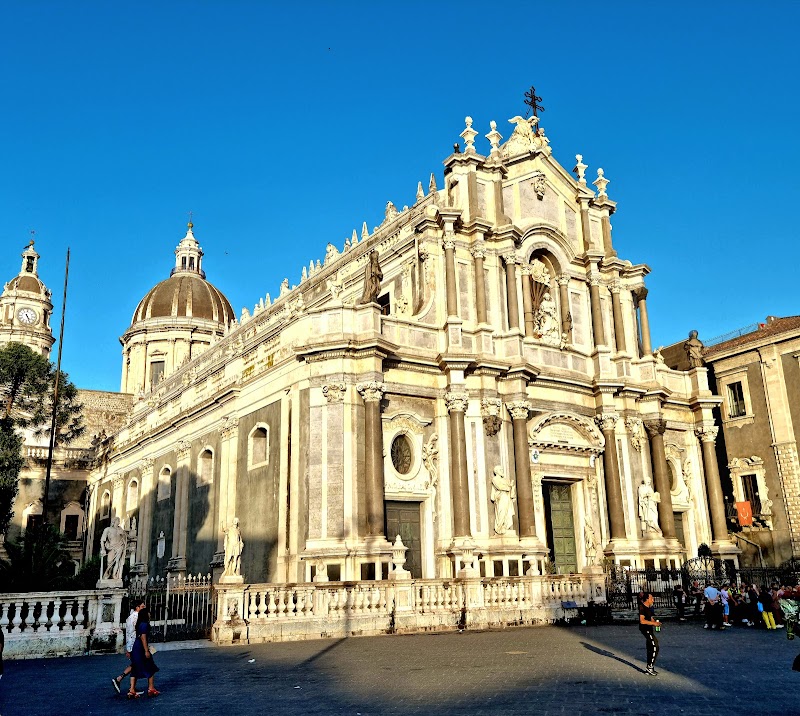
This is Catania’s most important church, dedicated to the city’s patron saint. The current structure was rebuilt following the earthquake of 1693 and stands as one of the finest examples of Sicilian Baroque architecture. While the impressive marble façade draws the eye from the outside, the interior offers a much more serene atmosphere; spacious naves, richly decorated chapels, and elegant details make it a site worth visiting, even for those with no particular interest in religious architecture.The cathedral’s focal point is the chapel housing the silver reliquary of Saint Agatha, which holds the patron saint's relics. It is from here that one of Italy’s largest religious processions sets out every year during the February festival held in her honor. The church also contains the tomb of the composer Vincenzo Bellini—a native of Catania—after whom the local opera house is named.Admission to the cathedral is free.
Address: Piazza del Duomo, 95131 Catania CT, Italy
- Chiesa della Badia di Sant'Agata
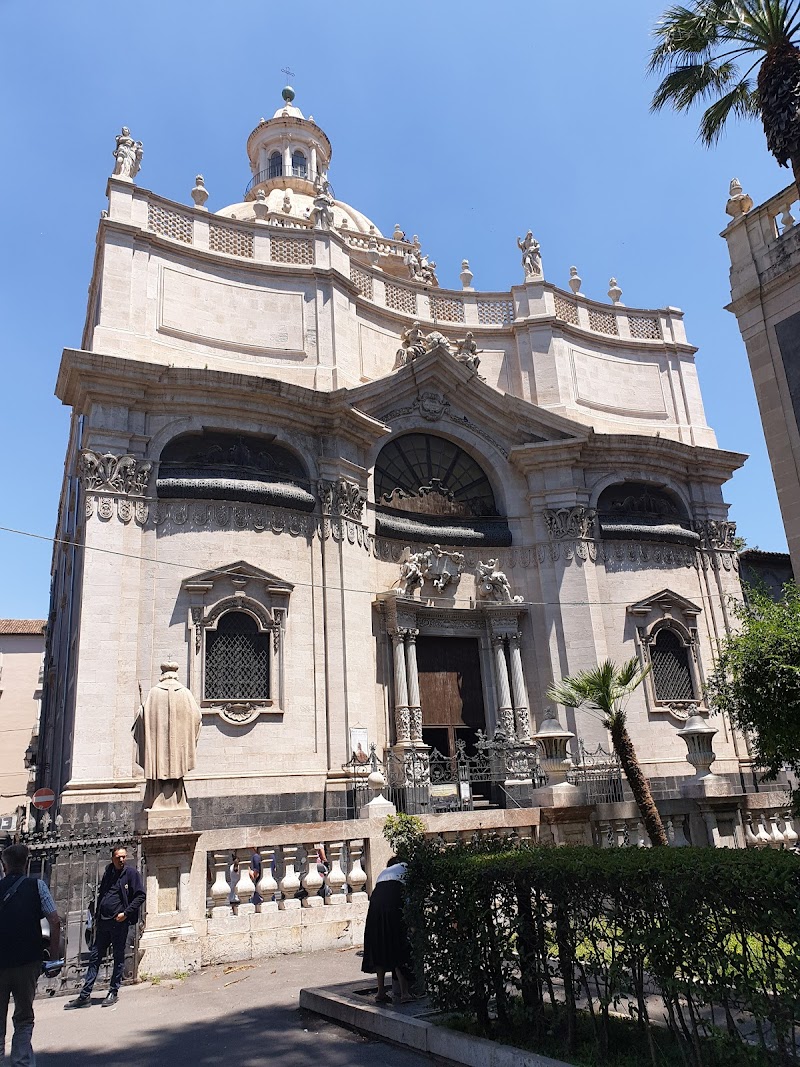
A small Baroque church situated right next to the cathedral, often overlooked by tourists. From the outside, it stands out thanks to its elegant, light-colored façade designed by Giovanni Battista Vaccarini, while the interior delights with a bright, harmonious décor featuring a marble altar and subtle ornamentation. The church is dedicated to Saint Agatha—the patron saint of Catania—whose veneration has played a vital role in the lives of the city's inhabitants for centuries.The main attraction is the opportunity to access the roof and viewing terraces. For around €7, you can climb up to the dome, which offers a 360-degree panorama of Catania’s historic center, Piazza del Duomo, the port, and—weather permitting—Mount Etna. The ascent involves narrow staircases and can be quite tight in places, so those with a fear of heights or claustrophobia might not feel comfortable. However, the effort is quickly rewarded, as many consider this spot to offer the best view in the entire city.
Address: Via Vittorio Emanuele II, 182, 95131 Catania CT, Italy
- Fontana dell’Amenano
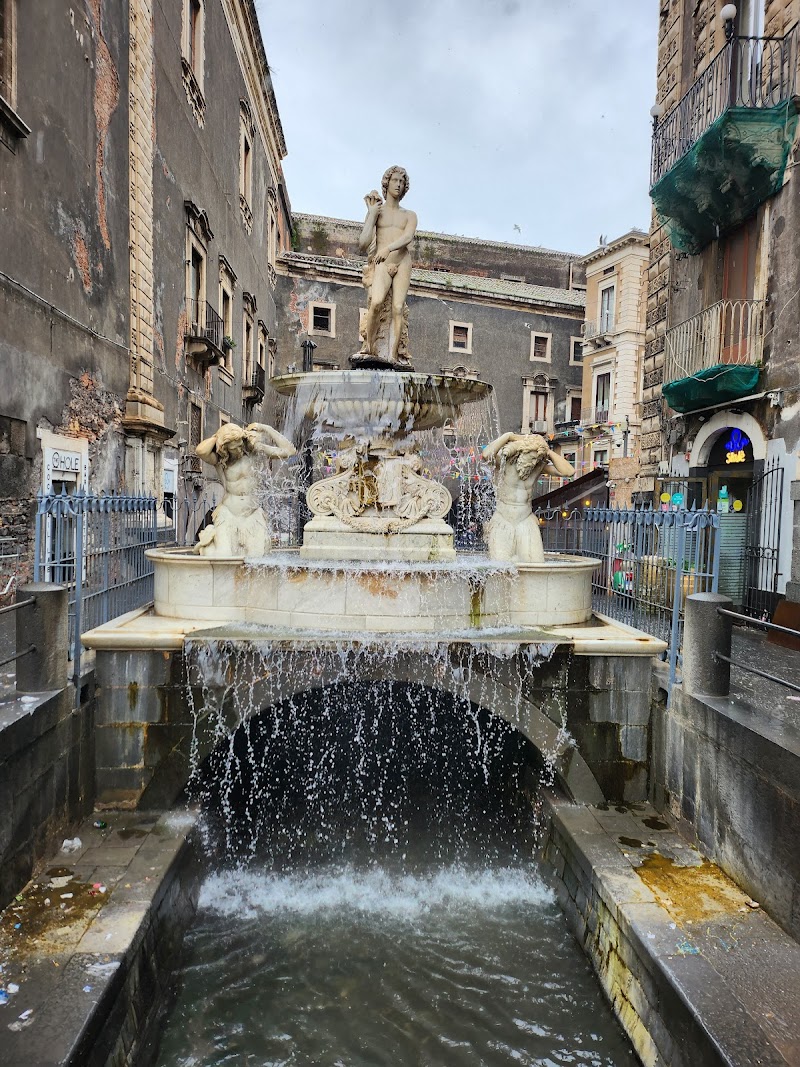
The fountain was created in 1867 based on a design by the Neapolitan sculptor Tito Angelini. It is crafted entirely from white Carrara marble. It depicts a personification of the Amenano River as a young man holding a cornucopia from which water flows continuously. At his feet are two figures of Tritons and the coat of arms of Catania.The fountain's most distinctive feature is the way the water cascades from the upper basin. It forms a thin, almost uniform sheet resembling a bedsheet, leading locals to call it "Acqua o linzolu"—meaning "water like a sheet." The water flows back into the Amenano River, which has run beneath the city since the 17th century; it is this underground river that gave the fountain its name.
Address: Piazza del Duomo, 95121 Catania CT, Italy
- Fish marketplace
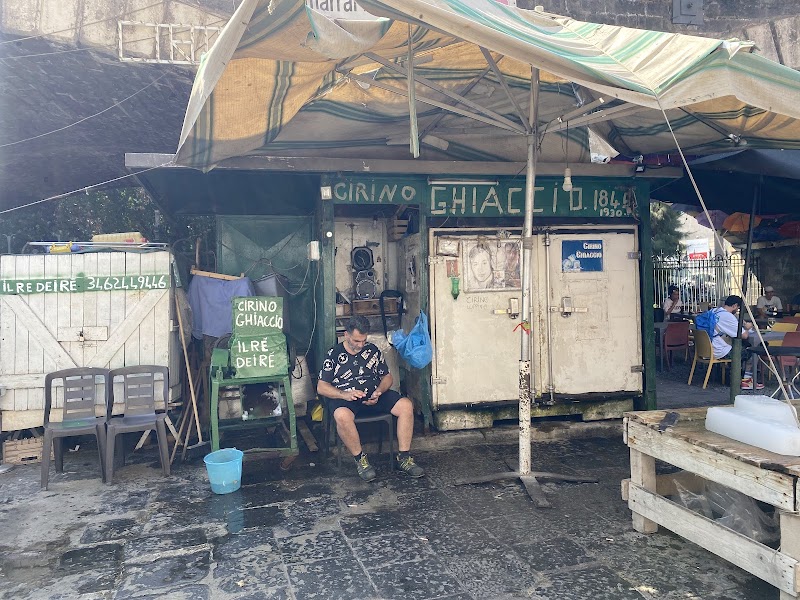
This is Catania’s largest street market, where locals have been doing their daily shopping for over a century. Despite its name—which means "Monday market" in the Sicilian dialect—it operates from Monday to Saturday, spanning a large part of Piazza Carlo Alberto and the surrounding streets. It is a far less touristy spot than the La Pescheria fish market.You can buy practically anything here: fresh fruit and vegetables, local cheeses, cured meats, olives, spices, pistachios, sun-dried tomatoes, and bread, as well as clothes, shoes, textiles, and various household goods. It is a great place to stock up on local food products or simply observe the locals going about their daily lives.
Address: Piazza Carlo Alberto, 12, 95129 Catania CT, Italy
- Scirocco Sicilian Fish Lab
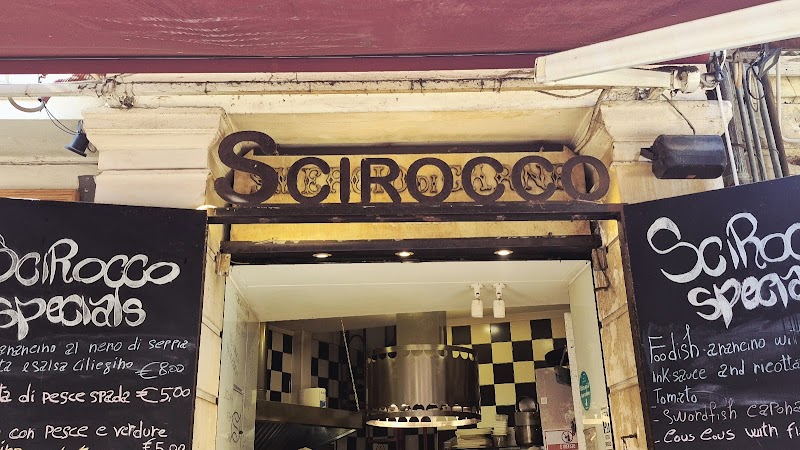
A modern bar serving fresh seafood as quick bites. You order at the counter, and most dishes are served—either to your table or directly to your hand—in signature paper cones, making them perfect for a quick lunch while sightseeing.The establishment’s specialty is *cartocci*—cones filled with fried calamari, shrimp, anchovies, and the catch of the day. Fish arancini, *sarde a beccafico* (stuffed sardines), octopus salad, and swordfish sandwiches are also highly popular. The fish is fried to order, ensuring the batter stays light and crispy while the seafood retains its freshness.Seating is available but fills up quickly; many people take their food to enjoy at the nearby market or in the square.
Address: Piazza Alonzo di Benedetto, 7, 95121 Catania CT, Italy
- Ursino Castle
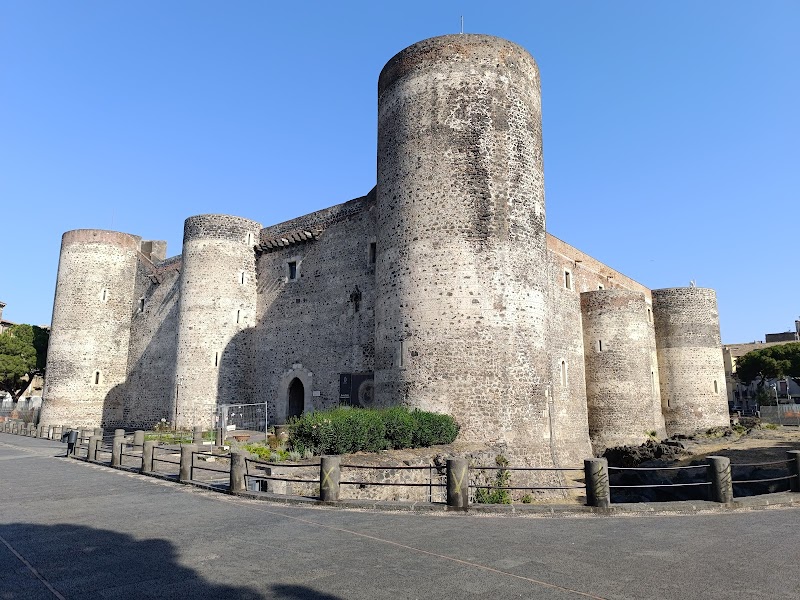
This imposing 13th-century castle was built on the orders of Emperor Frederick II as a royal fortress guarding the coast. When originally constructed, it stood right by the sea; however, the 1669 eruption of Mount Etna completely altered the landscape—lava surrounded the castle and pushed the coastline back by several hundred meters. Today, it is hard to believe that this massive structure was once a seaside fortress.From the outside, the castle draws the eye with its thick lava-stone walls, four round towers, and austere, almost military architecture—features that contrast sharply with Catania’s Baroque city center. Inside, the Civic Museum houses archaeological collections, medieval sculptures, ceramics, and paintings, as well as temporary exhibitions.Admission is paid; tickets can be purchased on-site.The castle is currently closed for renovations, but it is still worth viewing from the outside.
Address: P.za Federico di Svevia, 21, 95121 Catania CT, Italy
- Teatro Antico greco-romano di Catania
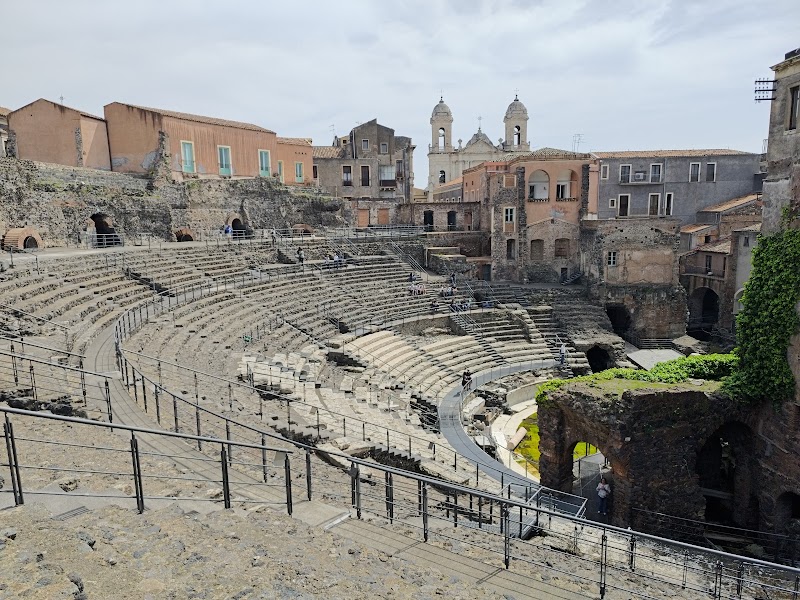
One of the city's most fascinating archaeological sites, tucked away amidst the narrow streets of the historic center. The current theater was built in the 1st–2nd century AD over the foundations of an earlier Greek theater and could accommodate around 7,000 spectators. What is most striking is not just the structure itself, but the way it has been literally enveloped by later urban development; from the stone tiered seating, one can see the Baroque townhouses, balconies, and rooftops of Catania, creating a remarkable contrast between antiquity and the modern city.The theater retains sections of the seating area carved from volcanic lava, the orchestra, corridors, and remnants of the stage, which was once adorned with marble columns. The waters of the underground Amenano River also flow through the center of the site.The ticket price also includes admission to the adjacent Odeon—a smaller theater once used for rehearsals and intimate performances—and a small *Antiquarium* displaying artifacts recovered during excavations.If you are deciding between the *Teatro Antico* and the *Anfiteatro Romano* at Piazza Stesicoro, this site is generally the one that makes a greater impression.
Address: Via Vittorio Emanuele II, 266, 95124 Catania CT, Italy
- Archaeological Complex Terme della Rotonda
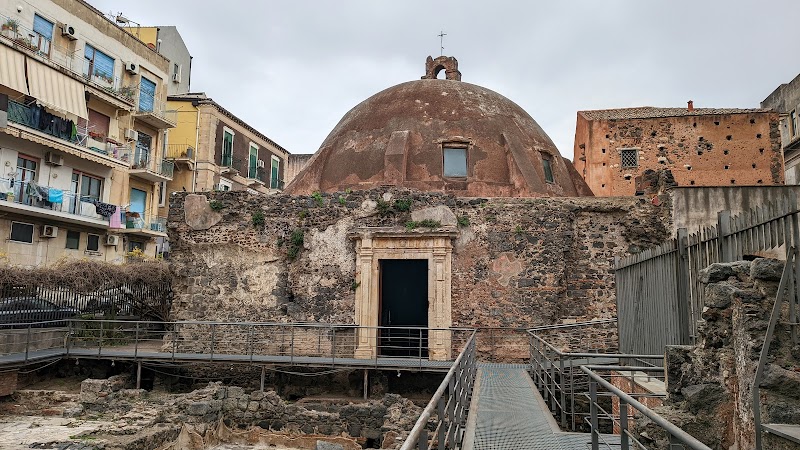
The remains of Roman baths lie hidden in the very heart of Catania’s historic center; from the outside, the structure could easily be mistaken for a church. Originally built during the Roman Empire as a public bath complex, it was converted into a Christian place of worship several centuries later.Its most distinctive feature is the circular, domed hall that gives the site its name. Inside, visitors can see preserved sections of Roman walls, brick vaulting, and remnants of the original bath chambers.Admission is free. However, the site is not always open to the public; access hours can be limited and depend on ongoing conservation work or scheduled events.
Address: Via della Mecca, 95124 Catania CT, Italy
- Monastero dei Benedettini di San Nicolò l'Arena
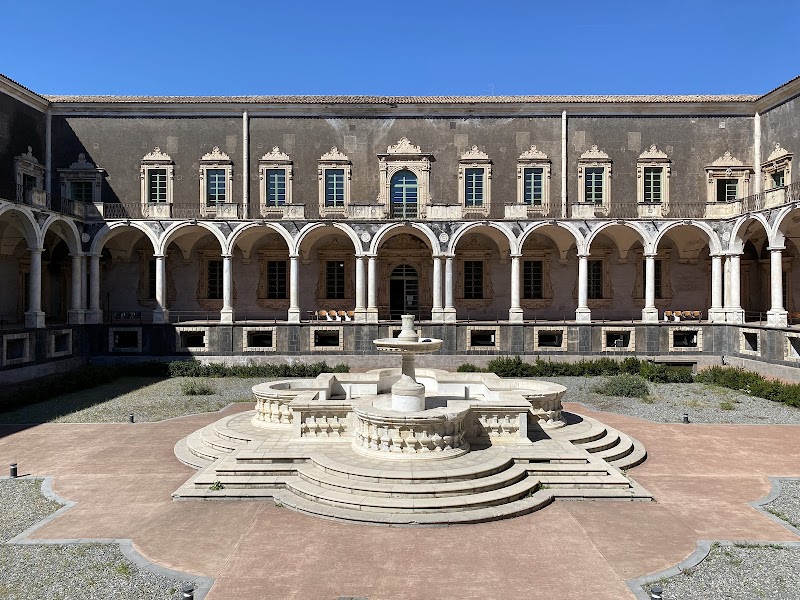
One of the largest Benedictine monasteries in Europe, this monumental complex is a UNESCO World Heritage Site. Today, it houses the University of Catania’s Faculty of Humanities, meaning its historic cloisters and courtyards are filled with students every day.You can usually visit for free, walking through the publicly accessible corridors and courtyards, and even access the roof. However, if you wish to explore the site in greater depth and see much more, you will need to book a guided tour. You can do so at: https://www.monasterodeibenedettini.it/en/guided-tours/visit-to-the-benedictine-monastery/.
Address: Piazza Dante Alighieri, 32, 95124 Catania CT, Italy
- Church of Saint Nicholas the Arena
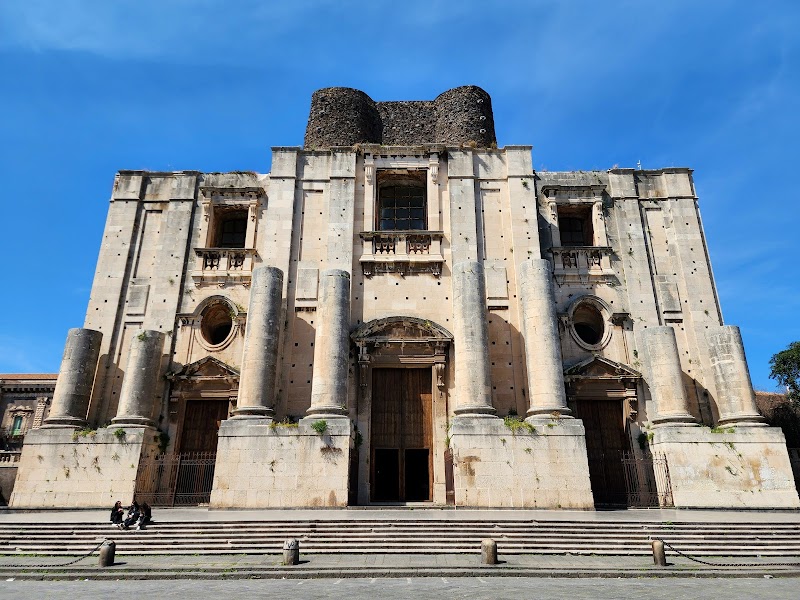
This monumental church, situated next to the Benedictine Monastery, is impossible to miss. It is the largest church in Sicily by surface area, though it was never completed according to the original design. Its austere façade is particularly striking, contrasting sharply with the richly decorated Baroque churches in Catania’s city center.One of the most fascinating features is the *meridiana*—a meridian line about 40 meters long marked on the floor. Sunlight streaming through a small opening in the vault once allowed for the precise determination of solar noon, as well as the dates of the equinoxes and solstices. It is the largest astronomical instrument of its kind in Sicily.For a small fee, visitors can also access the observation terrace. After climbing several flights of stairs, one is rewarded with a panoramic view of Catania’s rooftops, Mount Etna, and the Ionian Sea. This viewpoint is far less famous than the roof of the Sant'Agata alla Badia church, making it generally quieter and easier to take photos without the crowds.
Address: Esedra di Piazza Dante, Piazza Dante Alighieri, 12, 95124 Catania CT, Italy
- Via Crociferi
Address: Via Crociferi, 95124 Catania CT, Italy
- La Pentolaccia
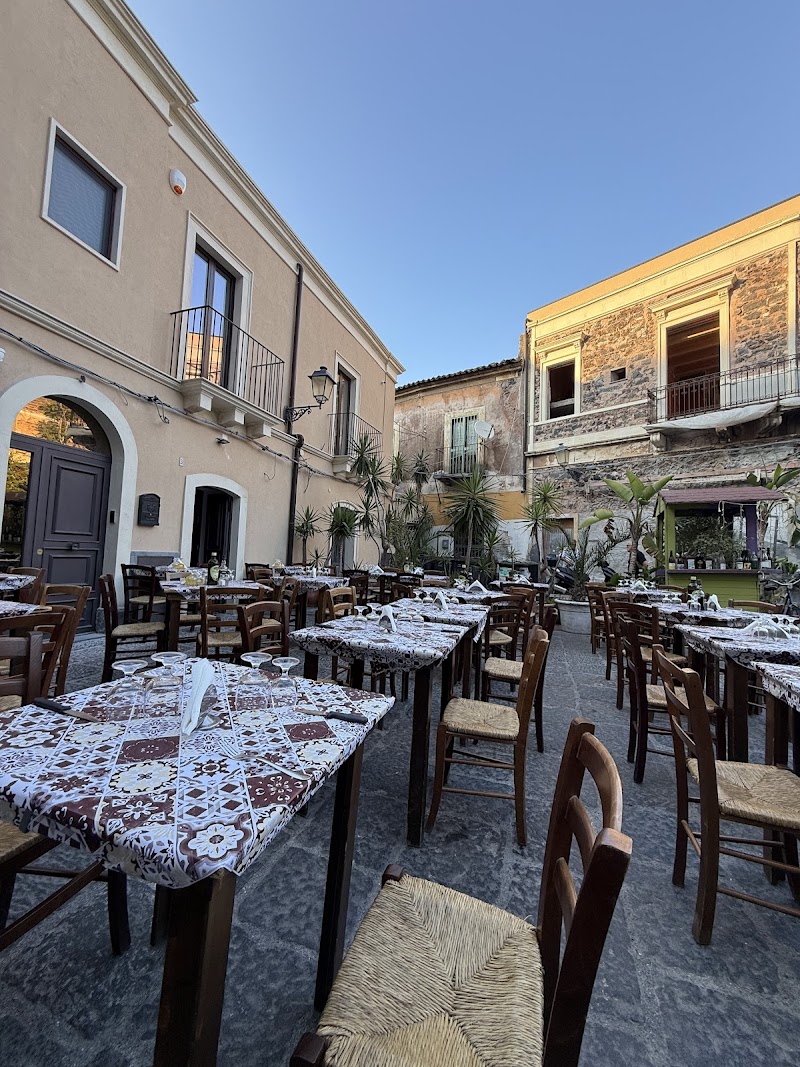
This is one of the most highly recommended trattorias. Although it has appeared in guidebooks for years and is very popular with tourists, it retains the atmosphere of a family-run Sicilian restaurant. The interior is cozy, and in the summer, the intimate courtyard is a particularly pleasant place to sit.The menu features classic Sicilian dishes. Highlights include Pasta alla Norma, paccheri with pistachios, seafood pasta, grilled swordfish, and the fresh catch of the day. The restaurant is almost always full in the evenings, so it is advisable to book a table, especially during the summer season.
Address: Via Coppola, 30, 95131 Catania CT, Italy
Day 2
- Caffè Opera
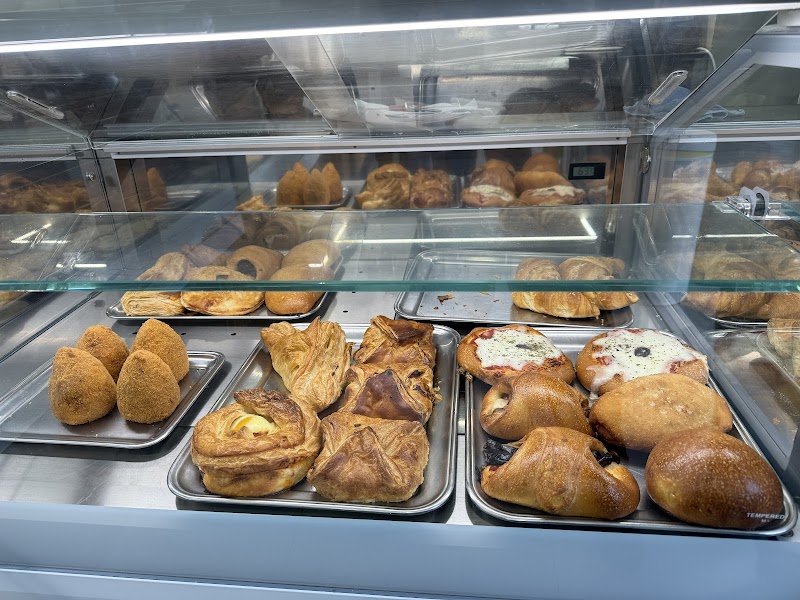
This is one of the best spots in central Catania for a leisurely breakfast, a coffee, or an afternoon break from sightseeing. Thanks to the tables set up in the square, you can sit and enjoy a view of the Teatro Massimo Bellini. Fresh *brioche col tuppo*, crispy cannoli, pistachio croissants, and granita are all available. The menu also features focaccia, light snacks, ice cream, and aperitifs, making it a great place to visit at any time of day.
Address: Piazza Vincenzo Bellini, 15, 95131 Catania CT, Italy
- Massimo Bellini Theater
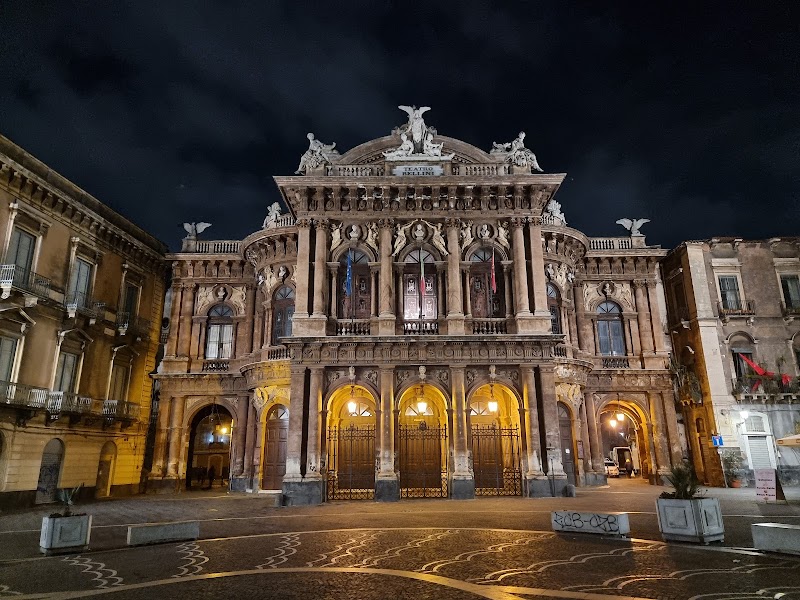
Catania’s most prestigious opera house is named after the city-born composer Vincenzo Bellini. Opened in 1890, it has been one of Italy’s premier opera venues for over a century. While the building’s exterior is elegant, the interior is truly impressive, featuring a richly decorated auditorium with red seating, gilded balconies, and a massive ceiling fresco depicting scenes from Bellini’s most famous operas.Even if you do not plan to attend a performance, a guided tour is well worth taking; it allows you to explore the grand foyer, the boxes, and the auditorium, while learning about the theater's history and its connection to Vincenzo Bellini.The tour lasts approximately 30–45 minutes and costs around €6.50 per person. Tours generally take place on weekday mornings (Tuesday through Saturday), though the schedule is subject to change, so it is advisable to check for the latest information before visiting. Details can be found at: https://www.teatromassimobellini.it/visite-guidate/
Address: Via Giuseppe Perrotta, 12, 95131 Catania CT, Italy
- Palazzo Biscari
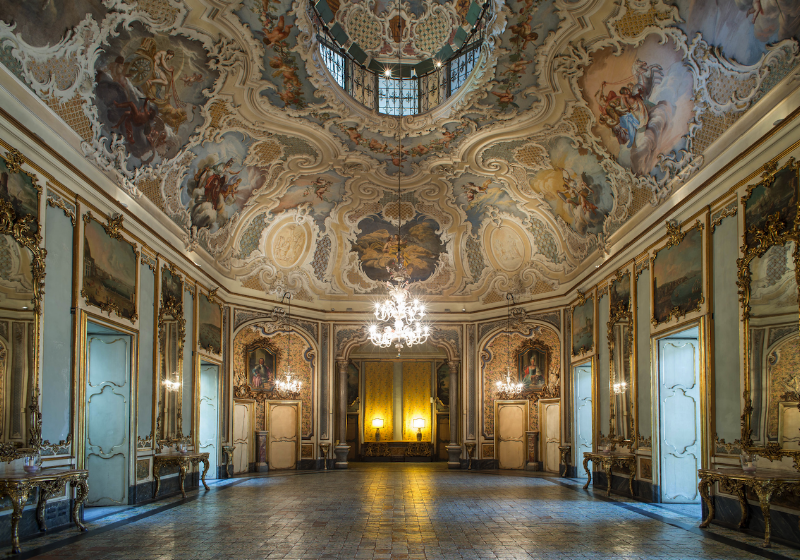
This is an imposing Baroque palace and one of the few aristocratic residences in Sicily that remains in the hands of the same family to this day. From the outside, the building appears rather unassuming, making it easy to walk past without taking much notice. It is only after passing through the gateway that the richly decorated interiors are revealed, showcasing how the Sicilian aristocracy lived in the 18th century.The most impressive features are the monumental staircase leading to the grand upper floor and the *Salone delle Feste*—a Rococo ballroom filled with mirrors, stucco work, frescoes, and gilded ornamentation. A small balcony concealed within the dome, where an orchestra would play during receptions, is also worth noting. The tour includes several private apartments, the Bird Gallery, the Hall of Fiefs (featuring paintings of the family estates), and a terrace overlooking the sea. It was here that Johann Wolfgang von Goethe stayed in 1787 during his travels through Sicily.Admission is charged; visitors may explore independently or with a guide.
Address: Via Museo Biscari, 10, 95131 Catania CT, Italy
- Piazza Università
Address: Via Etnea, 95124 Catania CT, Italy
- Palazzo dell’Università
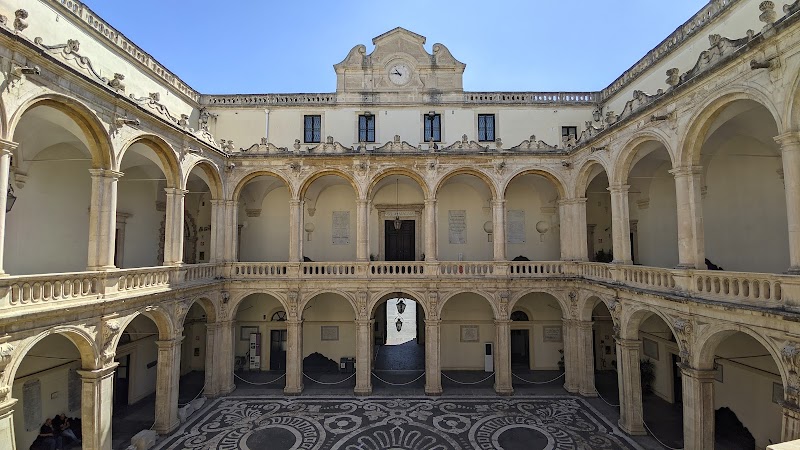
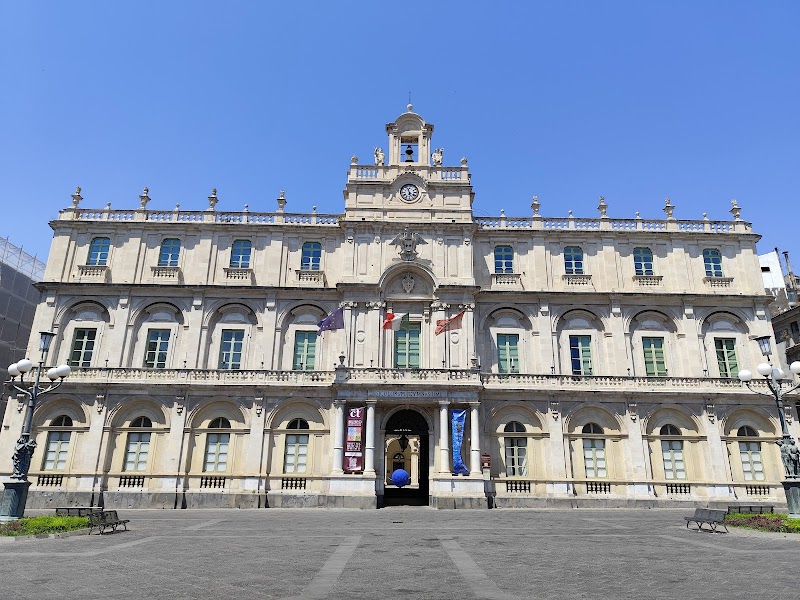
This is the prestigious headquarters of the University of Catania and one of the most important Baroque buildings in the city center. Built following the 1693 earthquake, it still serves as the main building of the university—founded in 1434 and one of the oldest in Italy. Occupying the entire western side of Piazza Università, the building immediately catches the eye with its elegant arcaded façade and distinctive combination of light-colored stone and black volcanic lava.The palace's greatest treasure is its inner courtyard, featuring striking black-and-white paving made of lava stone and limestone; it is one of the most beautiful yet lesser-known spots in central Catania.Admission to the building is free, provided no academic ceremonies or private events are taking place.
Address: Piazza Università, 2, 95124 Catania CT, Italy
- Basilica della Collegiata
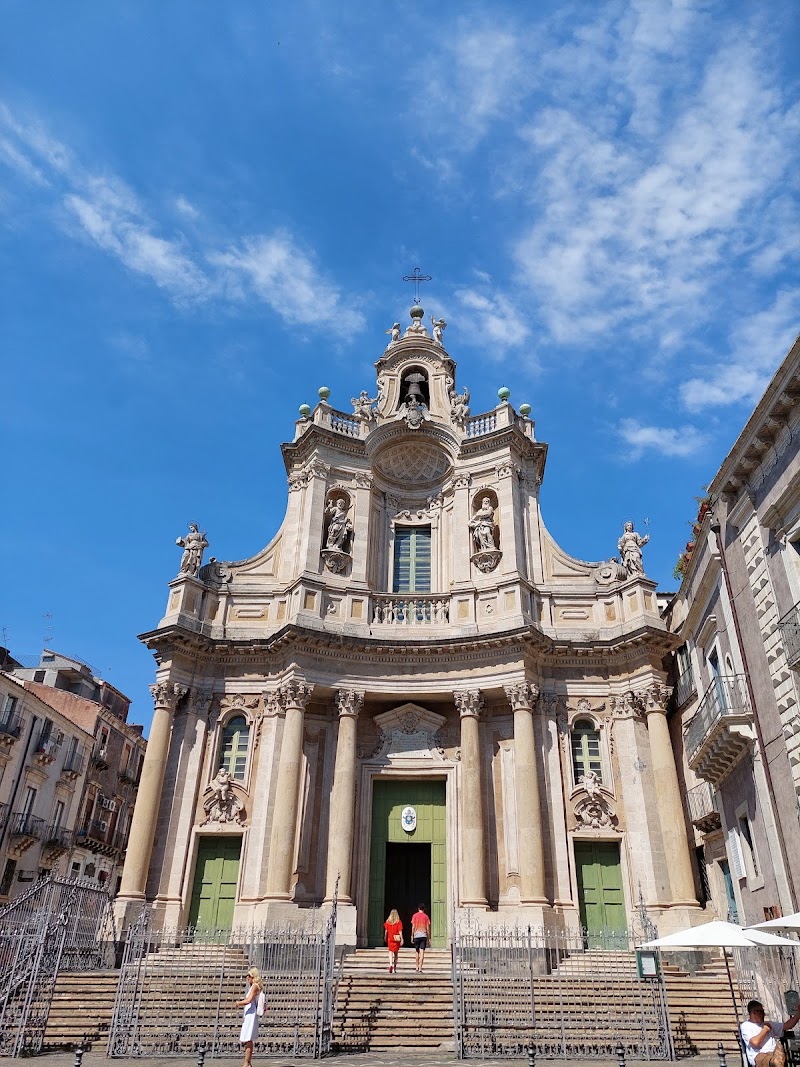
One of the most beautiful Baroque churches in Catania, situated on the main street, Via Etnea. Although often overshadowed by the nearby Cathedral of Saint Agatha, many architecture enthusiasts consider its façade to be the city's most interesting example of Sicilian Baroque. Designed by Stefano Ittar, the structure impresses with its interplay of concave and convex lines, richly decorated columns, statues of saints, and a striking staircase leading to the entrance.The interior is far more modest than the exterior façade yet remains impressive, featuring a soaring nave, marble altars, and a painting of Our Lady of Mercy (*Madonna dell'Elemosina*)—one of the few artworks to survive the earthquake of 1693.As this is an active church, sightseeing may be restricted during Mass. Admission to the basilica is free.
Address: Via Etnea, 23, 95131 Catania CT, Italy
- Piazza Stesicoro
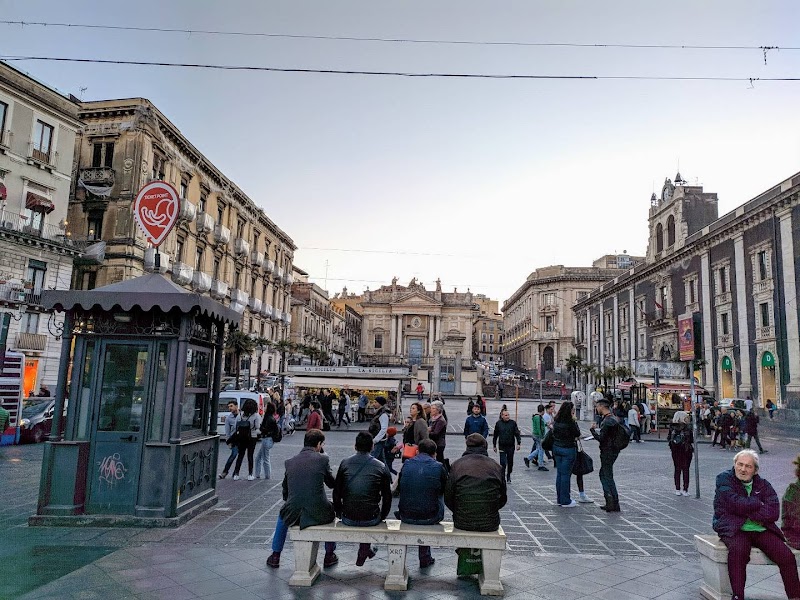
Address: P.zza Stesicoro, Catania CT, Italy
- Roman Amphitheater of Catania
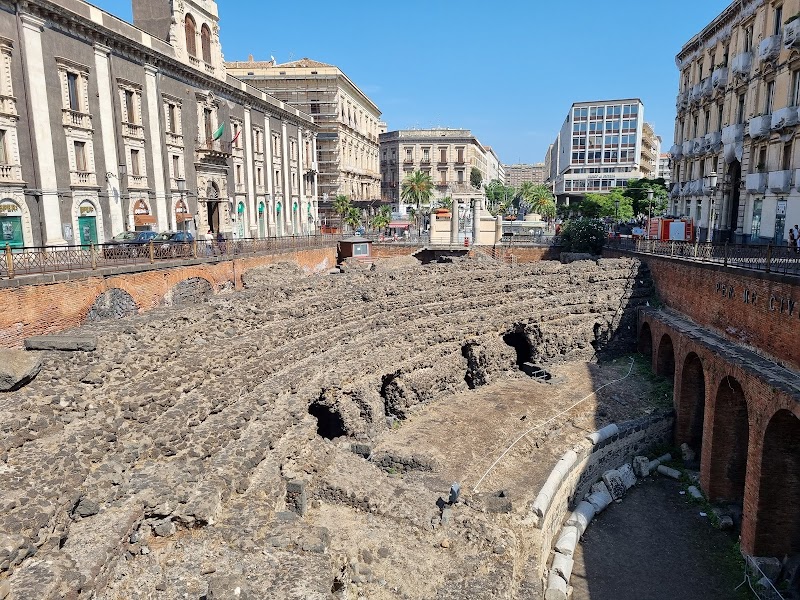
These are the remains of a 2nd-century AD Roman amphitheater; in its heyday, it could accommodate around 15,000 to 16,000 spectators, making it one of the largest structures of its kind in Sicily. Over the centuries, it was almost entirely buried and built over, so today only a fragment of the original structure remains visible. Nevertheless, sections of the stone tiered seating, corridors, and arches—constructed from volcanic lava and light-colored limestone, materials characteristic of Catania—are well preserved.The site is located below the level of the modern city, making it easy to visualize just how much higher the current urban landscape sits.Admission requires a fee (approximately 8 euros). It is an interesting stop for history enthusiasts, but if you aren't a huge fan of such sites, simply viewing the amphitheater from above is perfectly sufficient.
Address: P.zza Stesicoro, 95124 Catania CT, Italy
- Vermut - Salumeria, vineria, vermouth bar
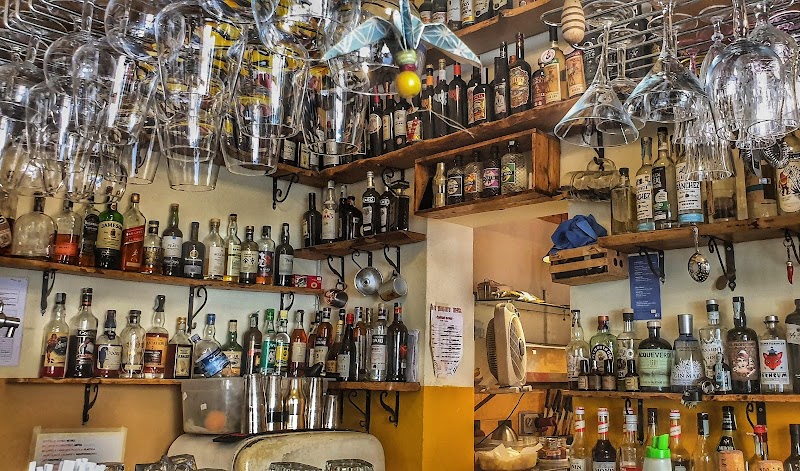
One of the most popular spots for an aperitivo. The venue combines a wine bar, a cocktail bar, and an Italian *salumeria*, allowing guests to enjoy a glass of fine wine or vermouth or have a full dinner. Specialties include boards of Sicilian cheeses and cured meats, sandwiches made with fresh bread, and an extensive selection of wines and cocktails. Tables fill up quickly in the evenings, and during peak season, a queue often forms outside.
Address: Via Gemmellaro, 39, Via Gemmellaro, 35, 95131 Catania CT, Italy
- Fish marketplace
This is Catania’s largest street market, where locals have been doing their daily shopping for over a century. Despite its name—which means "Monday market" in the Sicilian dialect—it operates from Monday to Saturday, spanning a large part of Piazza Carlo Alberto and the surrounding streets. It is a far less touristy spot than the La Pescheria fish market.You can buy practically anything here: fresh fruit and vegetables, local cheeses, cured meats, olives, spices, pistachios, sun-dried tomatoes, and bread, as well as clothes, shoes, textiles, and various household goods. It is a great place to stock up on local food products or simply observe the locals going about their daily lives.
Address: Piazza Carlo Alberto, 12, 95129 Catania CT, Italy
- Villa Bellini/Chiosco Bellini
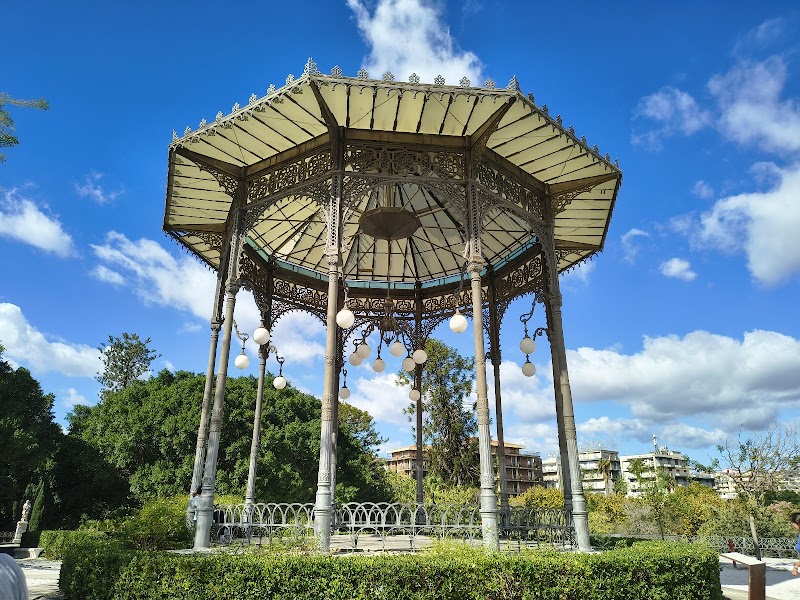
Address: Centro, 95124 Catania CT, Italy
- Pasticceria Savia
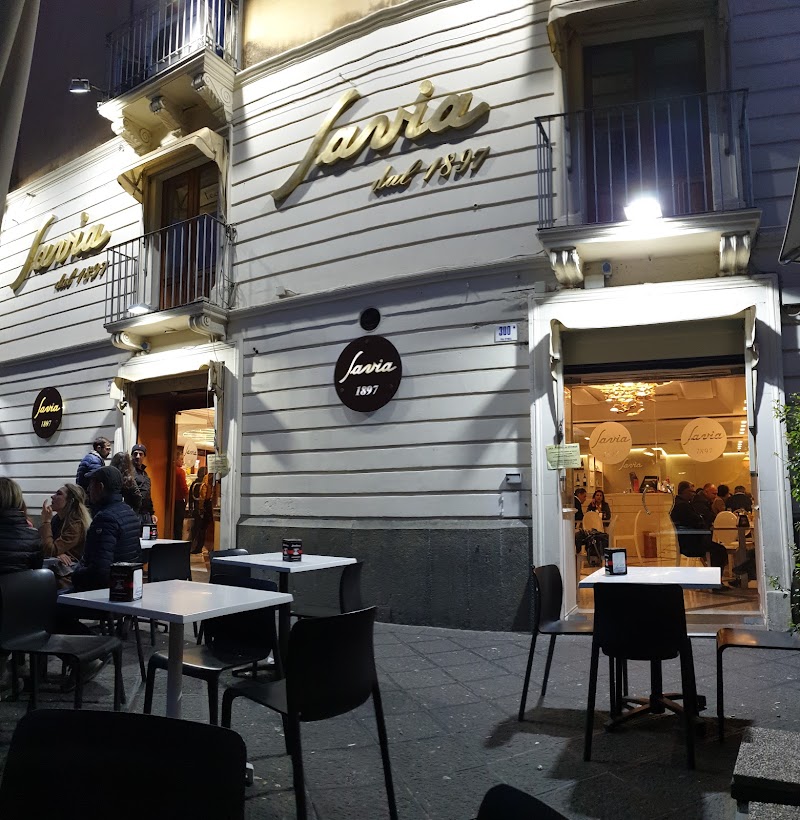
One of Catania’s most famous pastry shops, operating continuously since 1897. It is a spot frequented by both tourists and locals—especially for breakfast or an afternoon coffee. The establishment is renowned above all for its excellent arancini, considered by many locals to be among the best in the city. Beyond that, it is worth trying classic Sicilian sweets—cannoli, cassata, and seasonal granita.
Address: Via Etnea, 300/302/304, 95131 Catania CT, Italy
- Via Etnea
Address: Via Etnea, Catania CT, Italy
- Orto Botanico di Catania
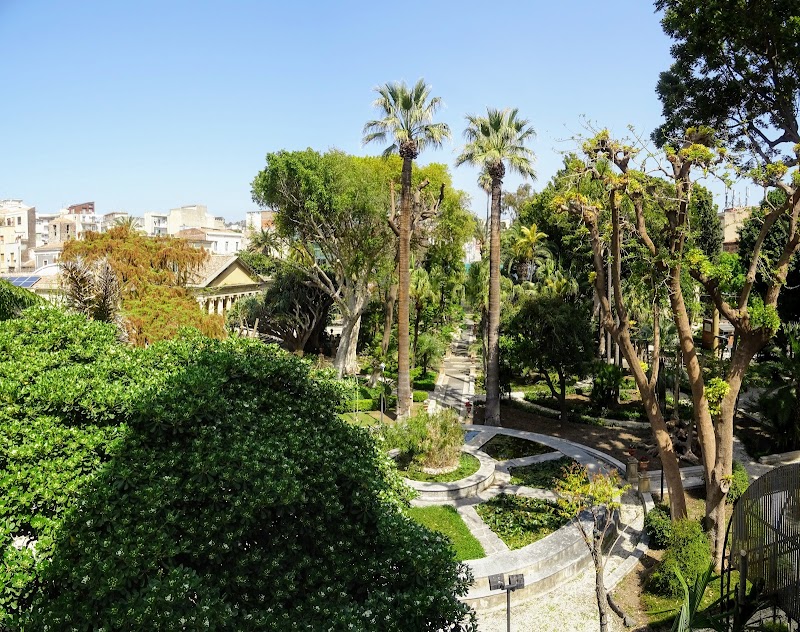
An intimate botanical garden belonging to the University of Catania. Established in 1858, it covers approximately 16,000 m²; while primarily a site for scientific research, it also serves as one of the city's most peaceful green spaces. The garden's main attraction is its impressive collection of succulents and cacti—one of the most notable in Italy. Visitors can also see dozens of palm species, tropical plants in the greenhouse, ponds, and an area dedicated exclusively to species native to Sicily.Admission to the garden is free. It is usually closed on Sundays.
Address: Via Etnea, 397, 95128 Catania CT, Italy
- Al Vicolo Pizza&Vino
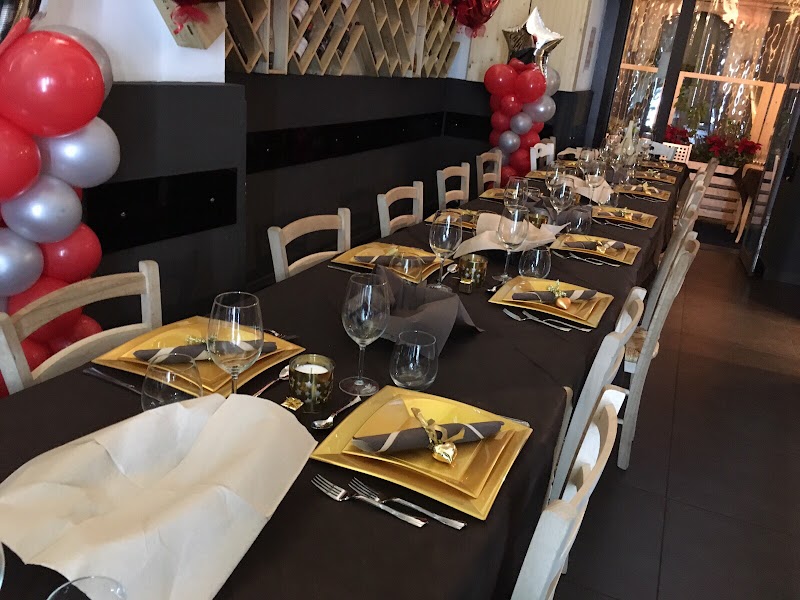
This pizzeria has been attracting both locals and tourists for years, and the atmosphere is almost always lively in the evenings. The venue is renowned for its large, thin-crust pizzas baked in a wood-fired oven, as well as creative combinations featuring Sicilian ingredients. Head pizzaiolo Marco D'Arrigo—winner of the Master Pizza Champion 2023 competition—is the creative force behind the signature dough recipes and unique flavor pairings.Beyond the pizza, the menu highlights include boards of Italian cheeses and cured meats, burrata, and an extensive selection of wines and craft beers. Open daily until late, the pizzeria is hugely popular, so booking a table for the evening or weekends is recommended. One downside is the rather high *coperto* (service charge) of €3 per person.
Address: Via del Colosseo, 5/7, 95124 Catania CT, Italy
About this plan
Catania – A City Best Explored at a Relaxed PaceCatania is one of Sicily's most authentic destinations, where magnificent Baroque architecture blends seamlessly with everyday local life. As you wander through the historic centre, you'll discover grand squares, UNESCO-listed churches, ancient Roman ruins, and charming streets lined with cafés and family-run restaurants. Add to that the famous fish market, spectacular views of Mount Etna, and the lively seafront promenade, and you'll quickly understand what makes this city so unique. If you're wondering what to see in Catania in 2 days, it's worth planning your itinerary carefully so you have time not only for the city's iconic landmarks but also for its hidden corners and authentic local experiences. Two days give you the opportunity to explore Catania at a comfortable pace and discover why it is considered one of Sicily's most rewarding destinations.Catania 2-Day Itinerary with Our AppOur Catania 2-day itinerary has been designed for travelers who want to explore the city independently without spending hours planning every detail. Instead of deciding what to see and how to connect each attraction, you'll receive a ready-made route that takes you through the top Catania attractions in the most logical order. Each day has been carefully planned to minimize unnecessary walking while helping you make the most of your time. Inside the app, you'll find detailed descriptions of every attraction, fascinating historical insights, and practical travel tips to make sightseeing easier. We've also included trusted restaurants, cafés, and pastry shops, making it easy to plan breakfast, lunch, dessert, and dinner along the way. It's a practical Catania travel guide that lets you focus on enjoying the city rather than organizing your itinerary.Who Is This Itinerary For?This itinerary is perfect for travelers who want to experience more than just Catania's most famous landmarks and discover the city at a slower, more enjoyable pace. It's an excellent choice for a weekend getaway, a short holiday, or as part of a longer trip around Sicily. Whether you're traveling as a couple, with family, or on your own, this itinerary makes independent sightseeing simple and enjoyable. If you're looking for a complete answer to what to see in Catania in 2 days, and want a well-organized route with recommendations for excellent local restaurants, this itinerary is the ideal companion. It will help you visit the city's highlights, uncover lesser-known places, and experience Catania in a well-organized and stress-free way.