Looking for a ready-made recipe for the perfect city break? Choose a 2-day Granada itinerary that combines the magic of Andalusian monuments with a culinary map of the city. Instead of wasting hours on logistical puzzles, you'll receive a precise, step-by-step itinerary. Our guide will lead you through the most popular attractions, the atmospheric Albaicín and Sacromonte districts, breathtaking viewpoints, and bustling bars with free tapas. Make sure you're comfortable and get the most out of this trip.
Plan details
- City: Granada
- Number of days: 2
- Number of places: 25
Itinerary
Day 1
- Café 4 Gatos
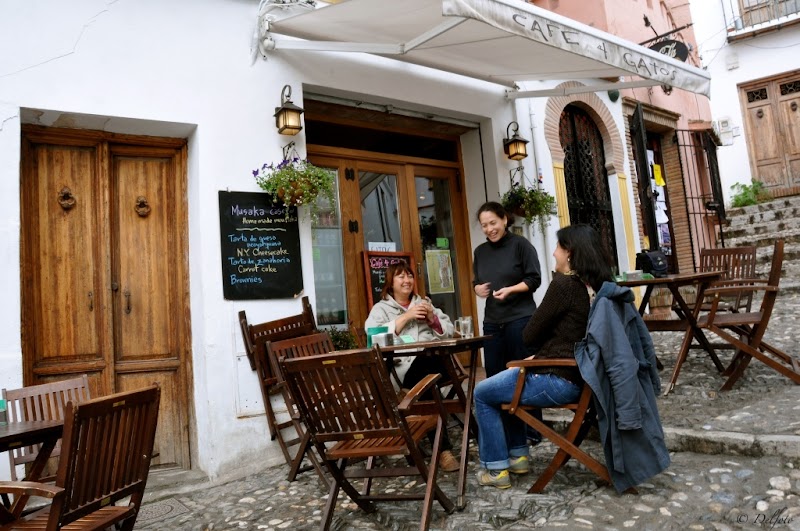
A cozy café tucked away among the narrow streets of the Albaicín. Here, you can enjoy breakfast with a view of the Alhambra. The menu is simple – coffee, toast, juice, and light snacks. Please note that payment is cash only.
Address: Pcta. Cruz Verde, 6, Albaicín, 18010 Granada, Spain
- Alhambra
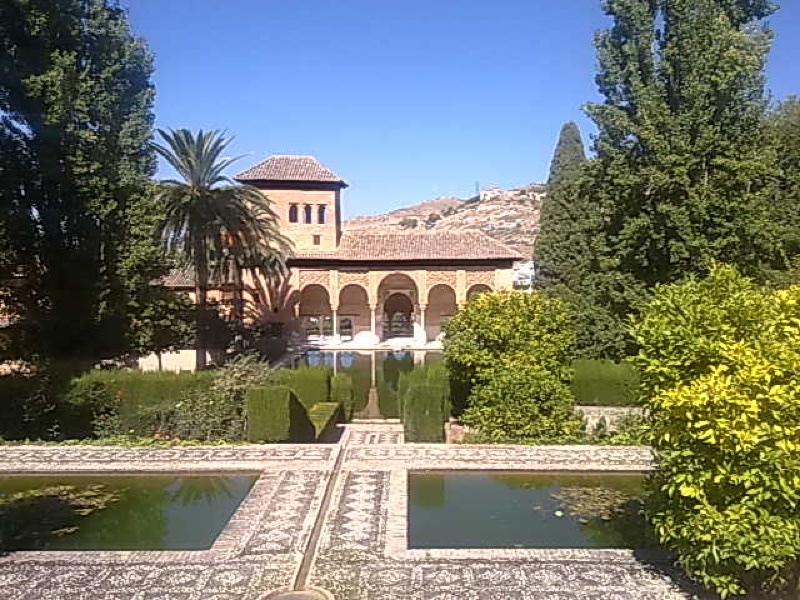
A vast palace-fortress complex built on Sabika Hill, for centuries the heart of the Nasrid dynasty, the last Muslim kingdom in Spain. In practice, it's not just one building, but an entire city, with palaces, a fortress, gardens, and the former infrastructure of the court's daily life. After 1492, when the Catholic Monarchs took over the city, the site began to change its function, gradually combining its Islamic past with Christian reconstructions – thanks to which two layers of history are visible today, sometimes intertwined, sometimes contrasting.The highlight is the Nasrid Palace, where attention to detail is evident – the walls are covered with geometric patterns, Arabic calligraphy, and stucco. A distinctive feature is the Patio de los Leones, with its fountain supported by lions.The Alcazaba, or defensive section, offers a completely different atmosphere – austere walls, towers, and some of the best panoramic views of Granada and the Sierra Nevada.The Generalife is the opposite of a fortress (it was a recreational area for Arab sultans): you'll find gardens, terraces, and waterways here.It's best to buy tickets in advance online at the official Alhambra website – during peak season, they can sell out weeks in advance. If you're buying tickets for the Palacio Nazaries, plan your visit accordingly. A full tour usually takes around 3-4 hours, but this is more of a budget, as many people spend up to half a day here.Getting there from Granada city center is easy: you can walk (about 20-30 minutes of steep ascent) or take the C30 or C32 bus, which will drop you almost to the entrance.
Address: C. Real de la Alhambra, s/n, Centro, 18009 Granada, Spain
- Carmen de los Mártires
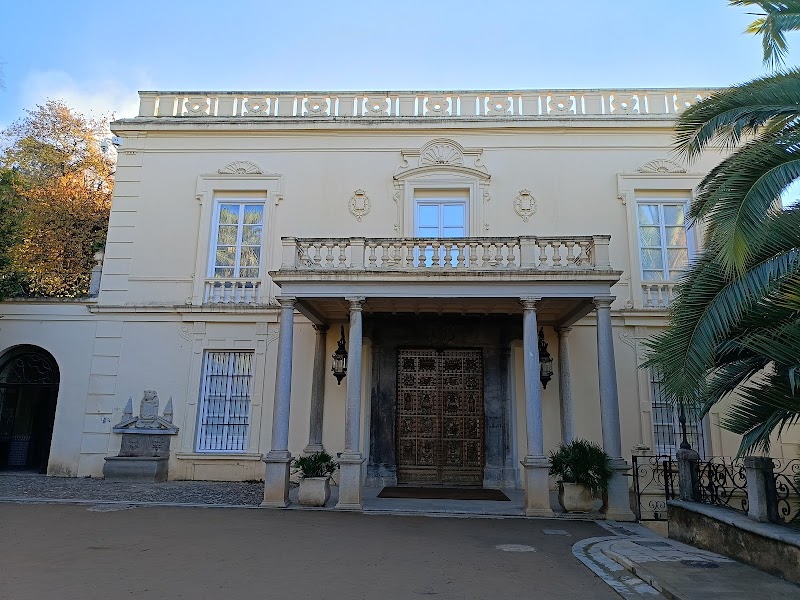
A large park and former palace and garden complex on the slope of Sabika Hill, right next to the Alhambra. The site has a rather layered history: from sites associated with the Arab period, through a Carmelite monastery, to a 19th-century residence. Today, it serves as a public garden with a palace and several distinct areas, including a French garden, an English garden, a palm garden, and a small pond with an island. Peacocks often frequent the grounds.Admission is free.
Address: P.º de los Mártires, s/n, Centro, 18009 Granada, Spain
- Bar los diamantes

One of the most famous chains of tapas bars in Granada, operating since 1942. The most characteristic is pescaíto frito – calamari, anchovies, shrimp – served simply.
Address: Pl. Nueva, 13, Centro, 18009 Granada, Spain
- Plaza Nueva
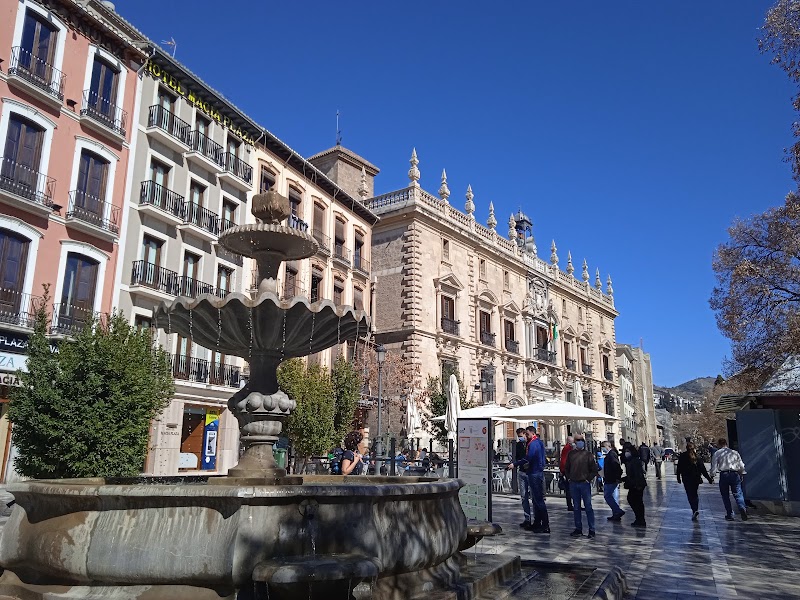
Address: Pl. Nueva, 18010 Granada, Spain
- Calle Calderería Nueva
Address: C. Calderería Nueva, Albaicín, 18010 Granada, Spain
- Mezquita Mayor de Granada
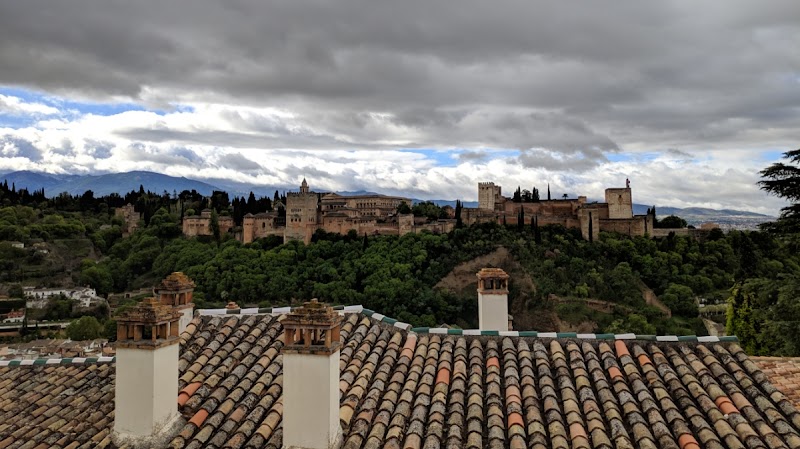
Granada's main mosque, located on Albaicín Hill, near San Nicolás. This relatively new structure (opened in 2003) symbolically connects with the city's Muslim history, which has been very strong here for centuries. The complex includes the mosque, a small Islamic cultural center, and a garden overlooking the Alhambra.The prayer hall itself is simple and minimalist—no overly decorative, in keeping with Islamic tradition. The most interesting feature, however, is the mosque garden: peaceful, orderly, with cypress trees and viewing terraces overlooking the Alhambra. A small entrance fee is usually charged for admission.
Address: Cta. Cabras, s/n, Albaicín, 18010 Granada, Spain
- Mirador de San Nicolás
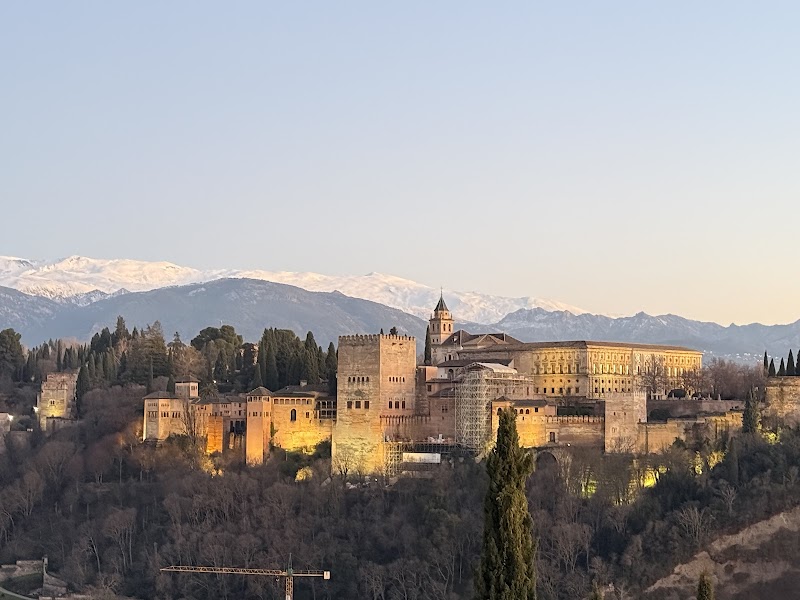
It lies in the heart of the Albaicín district, the former Arab part of the city, with its labyrinth of white streets, stairways, and small squares. The spot itself is simply a small, stone square next to the Church of San Nicolás. The view from here is beautiful – the entire Alhambra, with its palaces, towers, and Generalife, with the often snow-capped Sierra Nevada in the background. The best time to visit is the golden hour before sunset – it's the busiest, but also the most spectacular. Warning: Be especially wary of pickpockets here!
Address: Plaza Mirador de San Nicolás, 2, Albaicín, 18010 Granada, Spain
- Restaurante Casa Torcuato
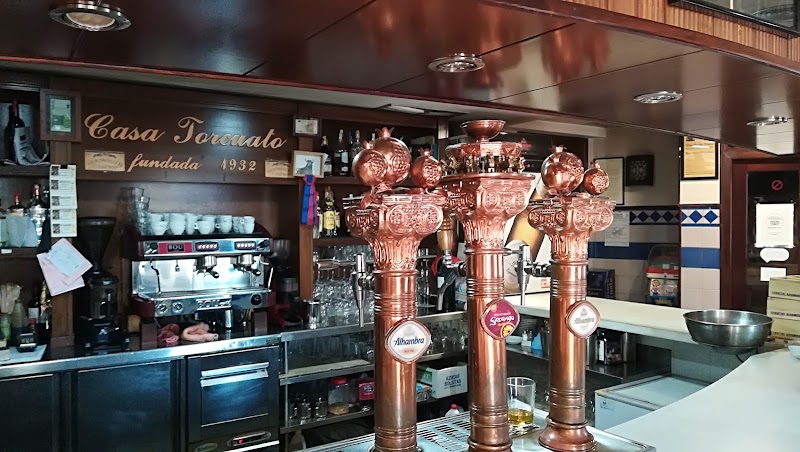
The restaurant specializes in simple regional dishes: tapas, grilled meats, fish, stews and homemade appetizers.
Address: C. Pagés, 31, Albaicín, 18010 Granada, Spain
Day 2
- Cafetería Agustín
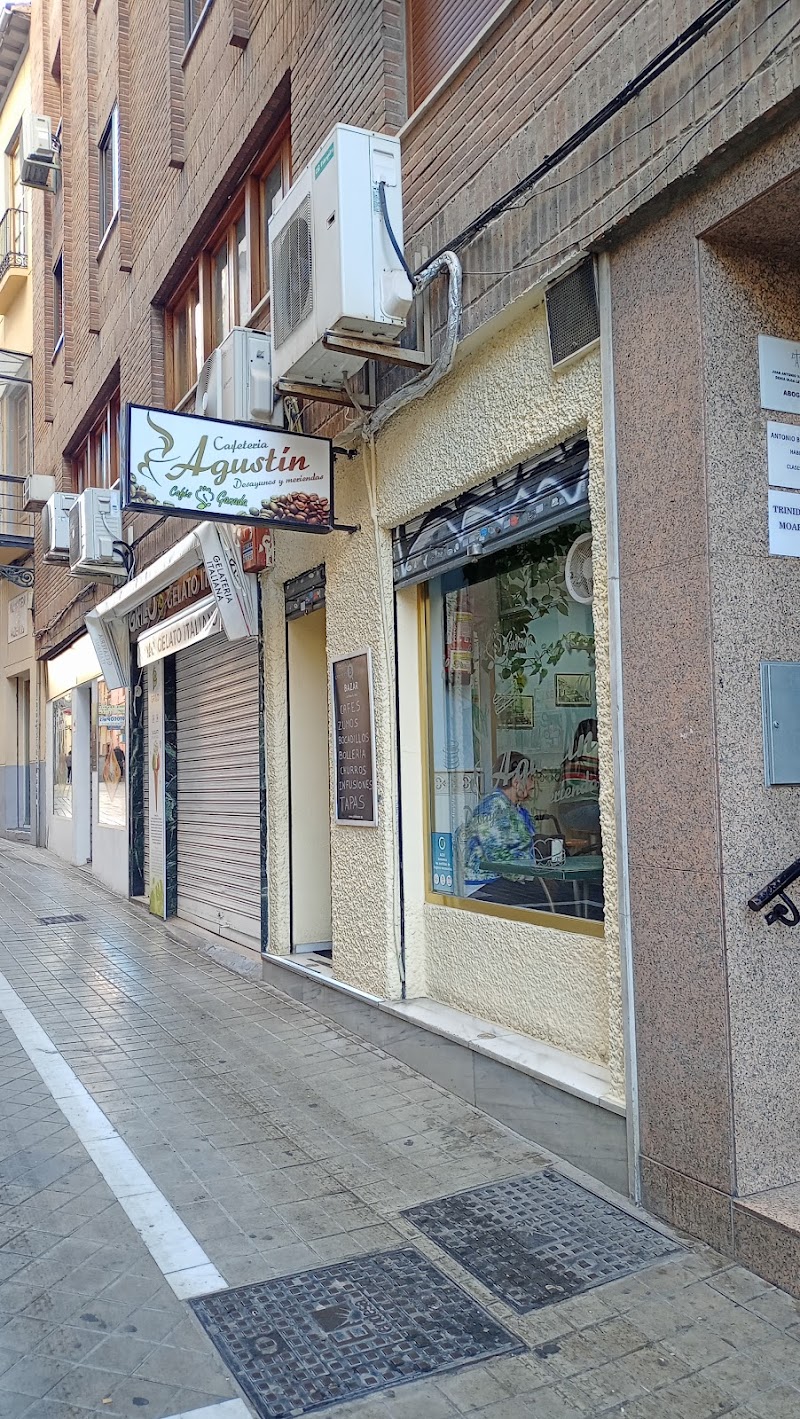
This unassuming, traditional café, a few minutes from the cathedral, has for years attracted locals more than tourists. It's known for its simple, hearty breakfasts: tomato and olive oil toast, jamón serrano sandwiches, churros, and good coffee.
Address: Calle Trinidad, Centro, 18001 Granada, Spain
- Catedral de Granada
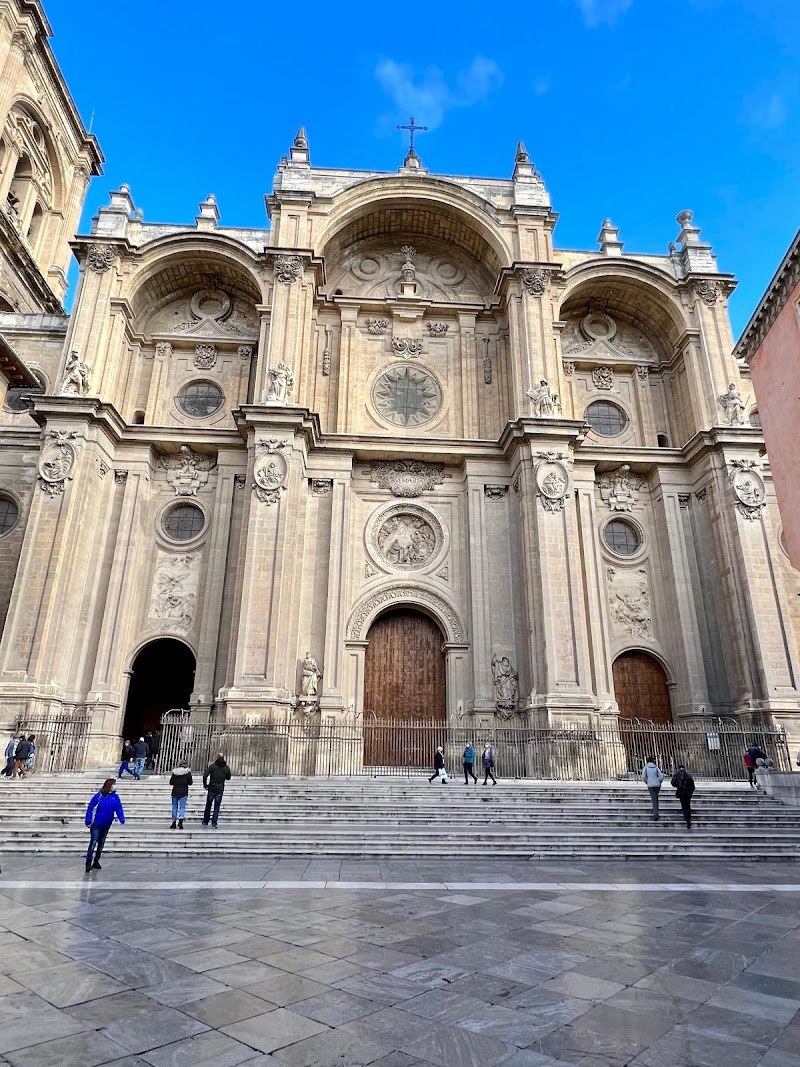
This enormous church in the heart of the city, built on the site of a former mosque after the conquest of Granada by the Catholic Monarchs in 1492, is a blend of styles – Renaissance dominates the interior, while Baroque appears in the details and façade.The interior impresses primarily with its scale. The five-nave structure is wide and bright, and the enormous pillars give it a weight that contrasts with the rather "light" light entering through the upper windows. The dome over the main chapel is worth noting – it's one of the most distinctive features, as instead of the typical Gothic verticality, we have a geometric, almost theatrical space.Admission is free, and tickets can be purchased on the official website: https://ticketsgranadacristiana.com/en/monumentos/catedral-granada/
Address: Pl. de las Pasiegas, s/n, Centro, 18001 Granada, Spain
- Royal Chapel of Granada
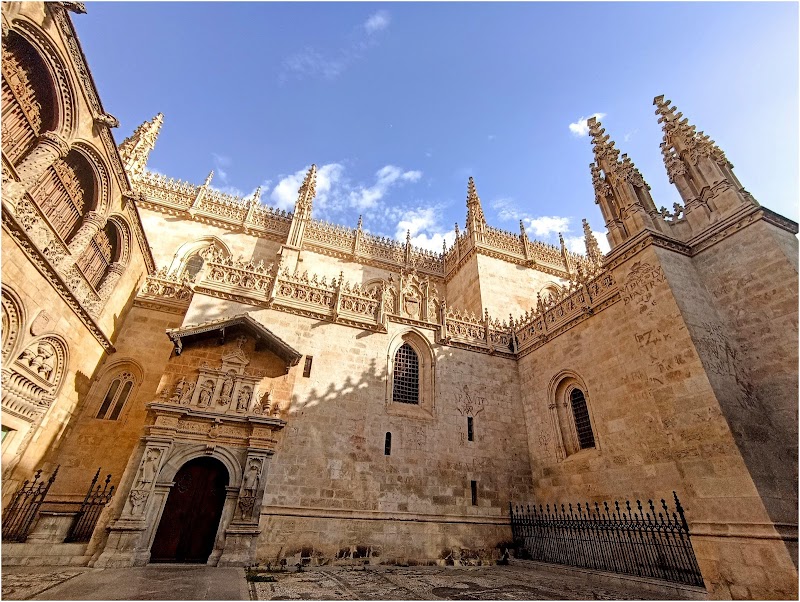
Mausoleum of the Catholic Monarchs: Isabella I of Castile and Ferdinand II of Aragon. It was they who completed the Reconquista with the capture of Granada in 1492. The chapel itself was built in the early 16th century and was designed from the outset as a royal resting place. Admission is charged, and tickets can be purchased on the official website: https://ticketsgranadacristiana.com/en
Address: Calle Oficios, s/n, Centro, 18001 Granada, Spain
- La Alcaicería
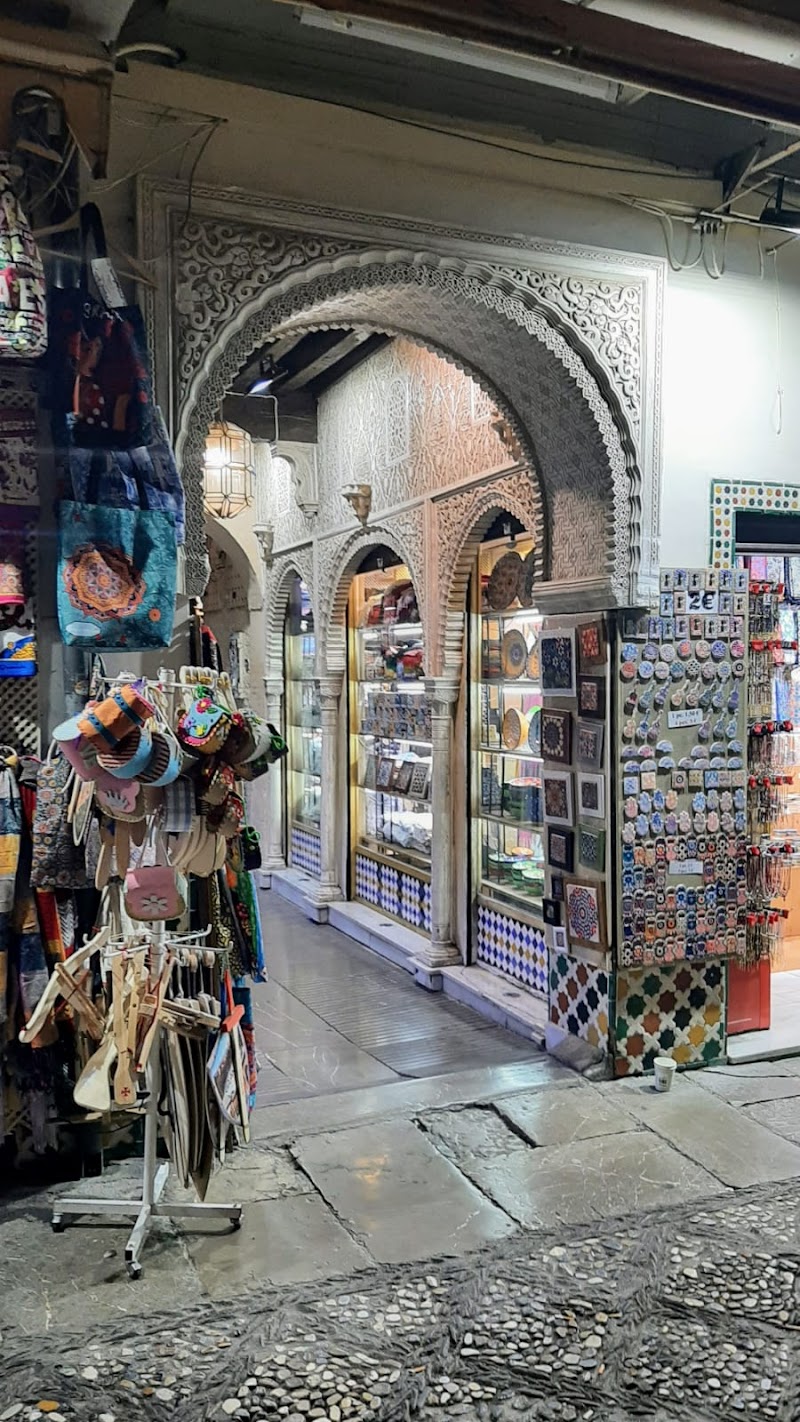
A network of narrow shopping streets in the center of Granada, right next to the cathedral, is a remnant of an ancient Arab bazaar. Once a marketplace for silk and other expensive goods, today the market is dominated by ceramics, lamps, spices, souvenirs, and textiles.
Address: Reyes Católicos, 12, Centro, 18009 Granada, Spain
- Casa Ysla 1897 Piononos
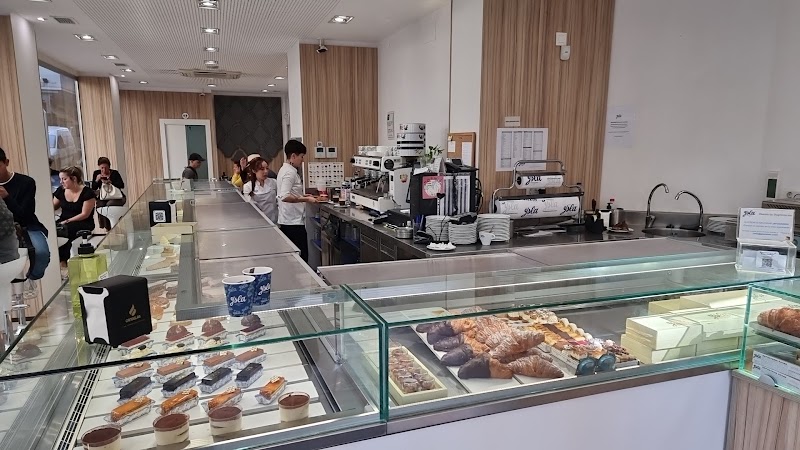
A pastry shop/café with a history dating back to the late 19th century. The brand was founded in Santa Fe (a city near Granada), and its most recognizable product is piononos—small, cylindrical pastries soaked in syrup and cream, created as a tribute to Pope Pius IX. Other Spanish pastries and coffee are also available.
Address: Reyes Católicos, 57, Centro, 18010 Granada, Spain
- Plaza de Santa Ana
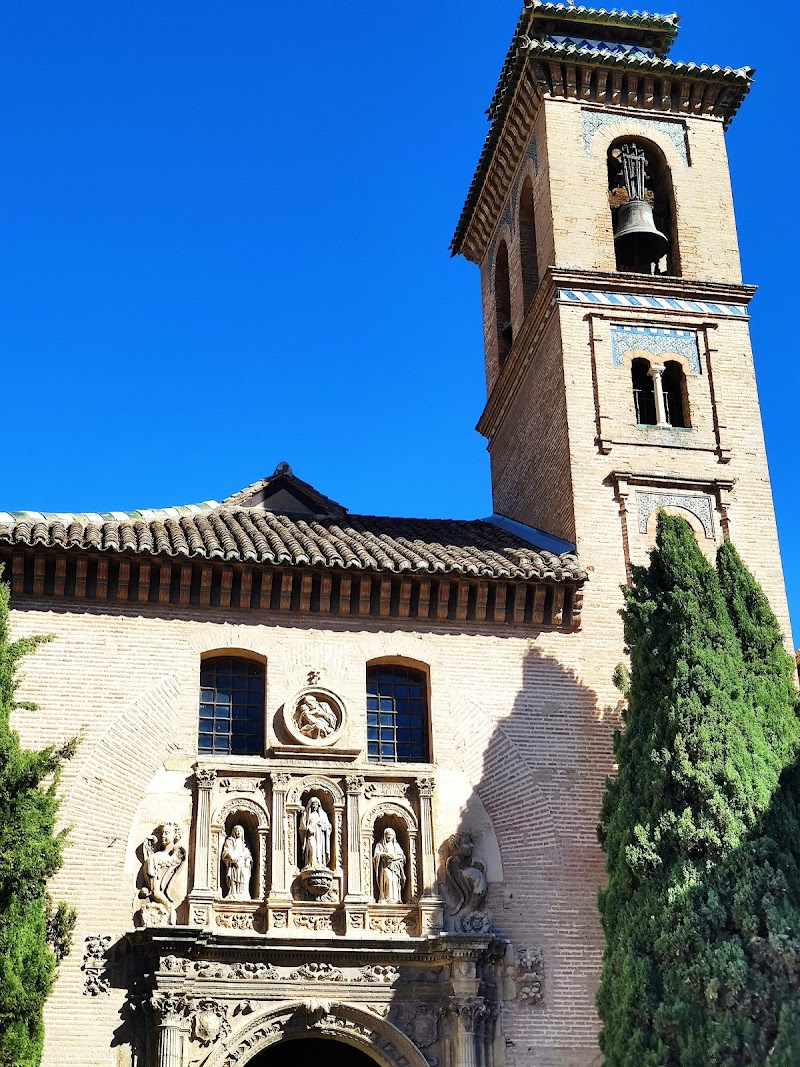
Address: Pl. de Sta. Ana, Granada, Spain
- Iglesia de San Gil y Santa Ana
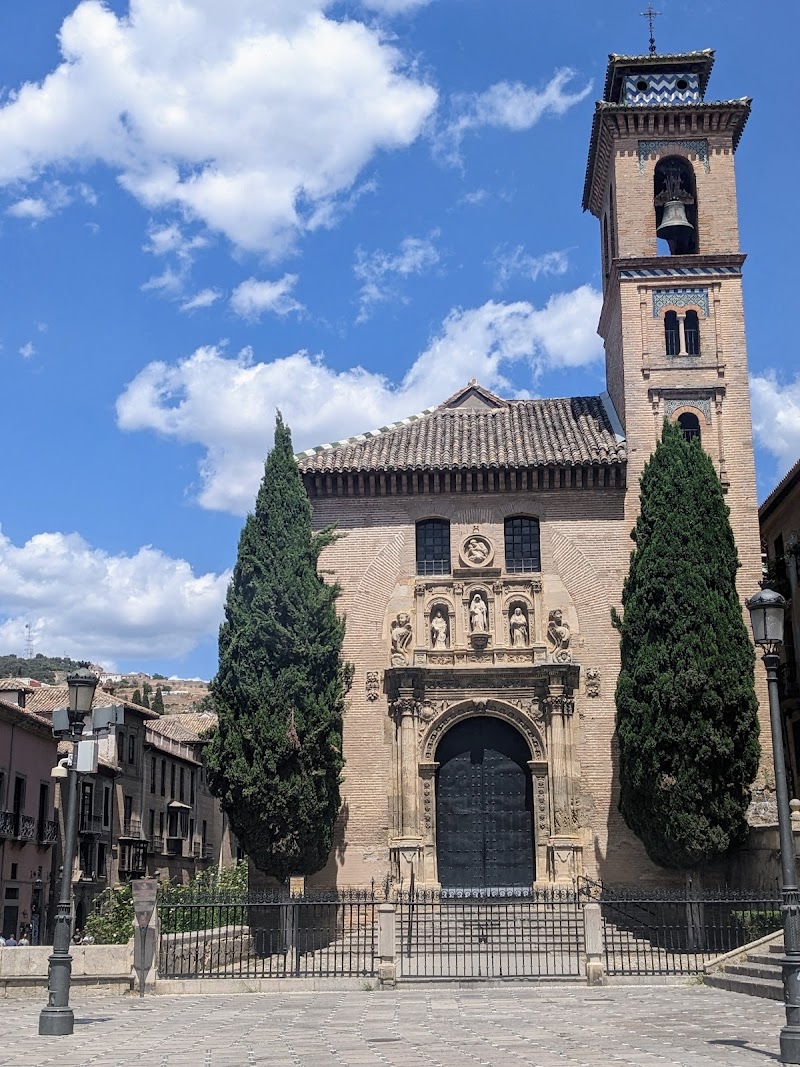
This small church stands in Plaza de Santa Ana. Built in the 16th century on the site of a former mosque, it clearly reflects the character of Granada after the Reconquista – Renaissance in appearance, but with distinct Mudéjar elements. Note the slender brick tower, built on the site of a former minaret. Unfortunately, it often remains closed and can only be viewed from the outside.
Address: C. Sta. Ana, 1, Centro, 18009 Granada, Spain
- Carrera del Darro
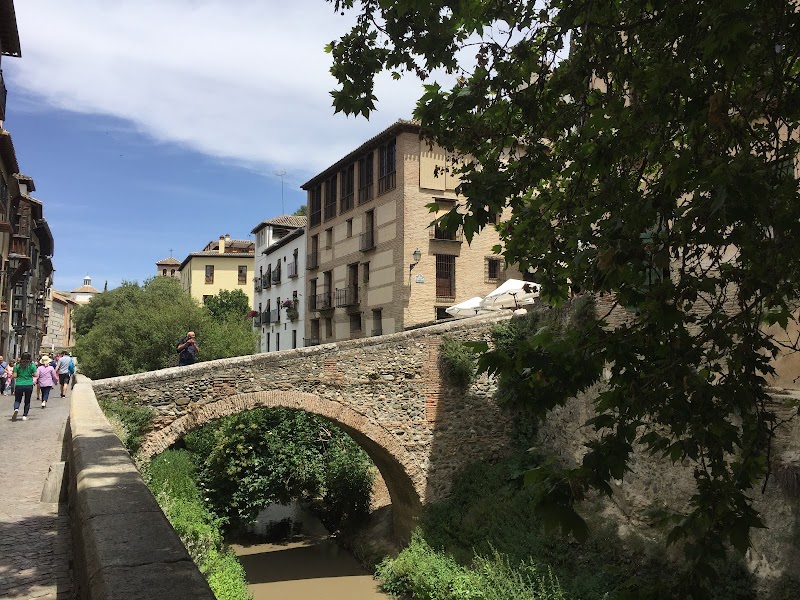
Address: Carrera del Darro, Albaicín, 18010 Granada, Spain
- El Bañuelo
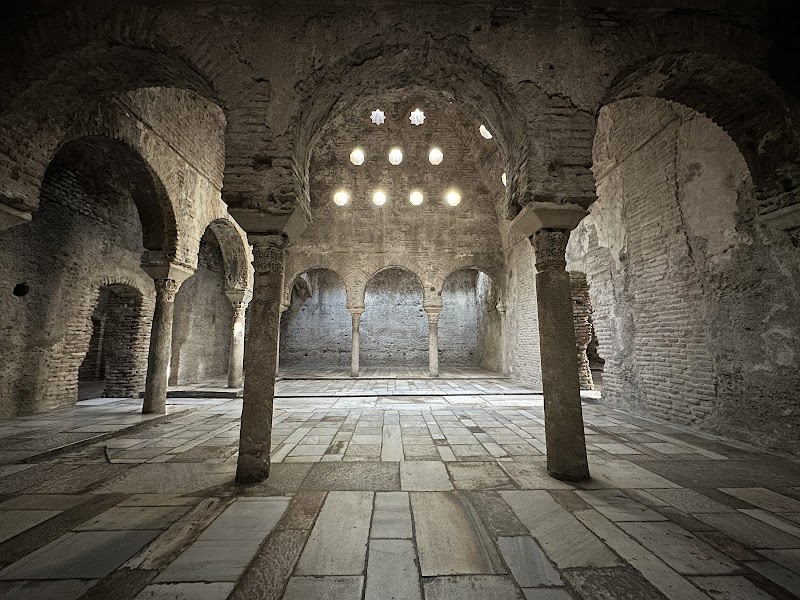
One of the best-preserved Arab public baths in Spain. From the outside, it looks almost like an ordinary stone building on a narrow street, making it easy to pass by. Inside, the layout is typical of a hammam: several rooms with different temperatures – cool, lukewarm, and hot – connected by arches and columns, with characteristic star-shaped skylights in the vault. These create the most ambiance, allowing light to enter in specific spots. In the Muslim era of Granada, such baths were not only places for hygiene but also for socializing.The interior is small, and the tour is short – usually 15-20 minutes is sufficient.Admission is charged, and tickets can be purchased on site – the price is a bit steep, but the ticket also includes admission to several other areas.
Address: Carrera del Darro, 31, Albaicín, 18010 Granada, Spain
- Mirador de la Vereda de Enmedio
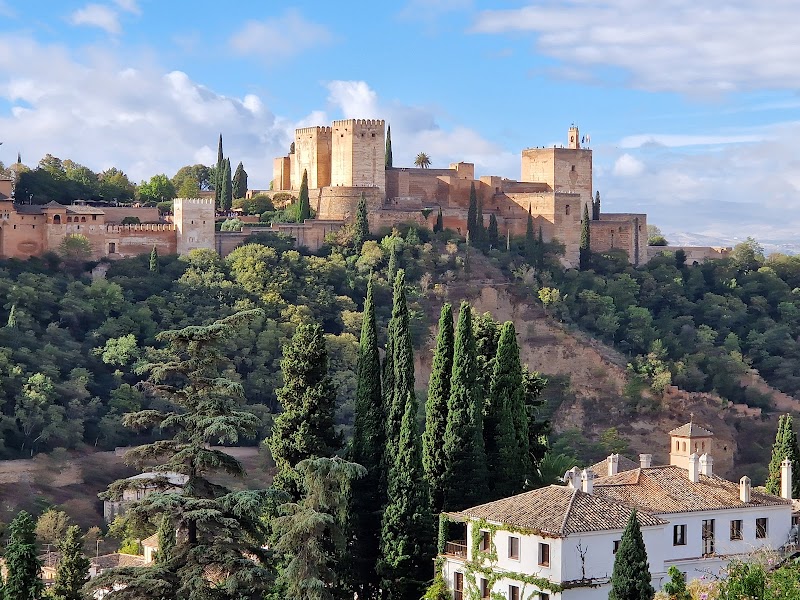
A tranquil viewpoint in the upper part of Sacromonte. You'll see an open panorama of the Alhambra, the Albaicín, and the Sierra Nevada Mountains.
Address: C. Verea de Enmedio, 55, Albaicín, 18010 Granada, Spain
- Los Faroles
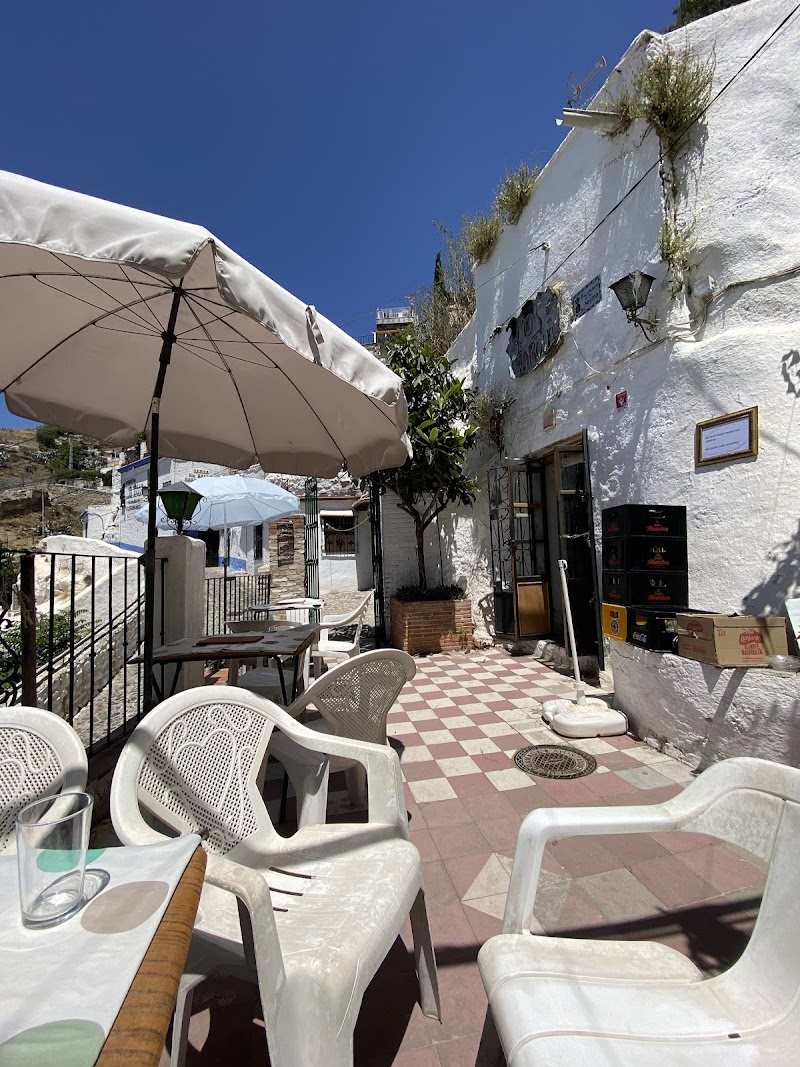
A simple bar in the cave section of Sacromonte with a terrace and beautiful views. They serve basic tapas and drinks. A good place to rest after climbing the steep paths.
Address: C. Santo Sepulcro del Sacromonte, 97, Albaicín, 18010 Granada, Spain
- Museo Cuevas del Sacromonte. Centro de Interpretación del Valle del Darro.
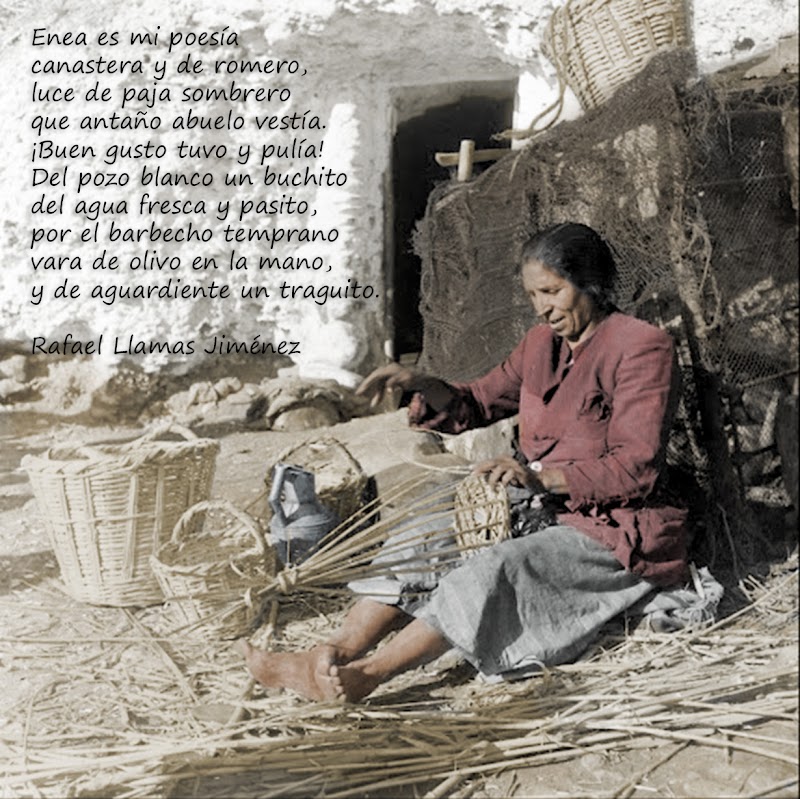
A museum in the Sacromonte district, showcasing life in traditional cave dwellings carved into the hillsides above Granada. These are not natural caves, but adapted living spaces that, until the 20th century, were the normal home for some residents, including the Roma community associated with flamenco.Inside, you'll see several furnished caves: a kitchen, a bedroom, a workshop, and a living space. There's also an ethnographic section about the history of the district, crafts, and flamenco tradition. Tickets can be purchased on-site.
Address: Barranco de los Negros, s/n (acceder por, C. Verea de Enmedio, Albaicín, 18010 Granada, Spain
- Mirador Abadía del Sacromonte
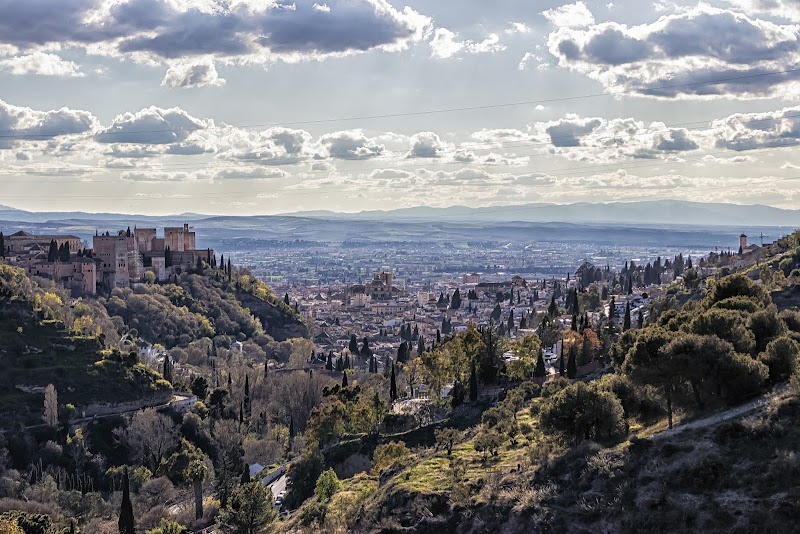
The viewpoint at the Abadía del Sacromonte Monastery, located high above Granada, offers panoramic views of the Alhambra, the Darro River Valley, and the rooftops of the Albaicín. A major plus is the lack of crowds, even in high season.
Address: Sacromonte, Albaicín, 18010 Granada, Spain
- Abadía del Sacromonte
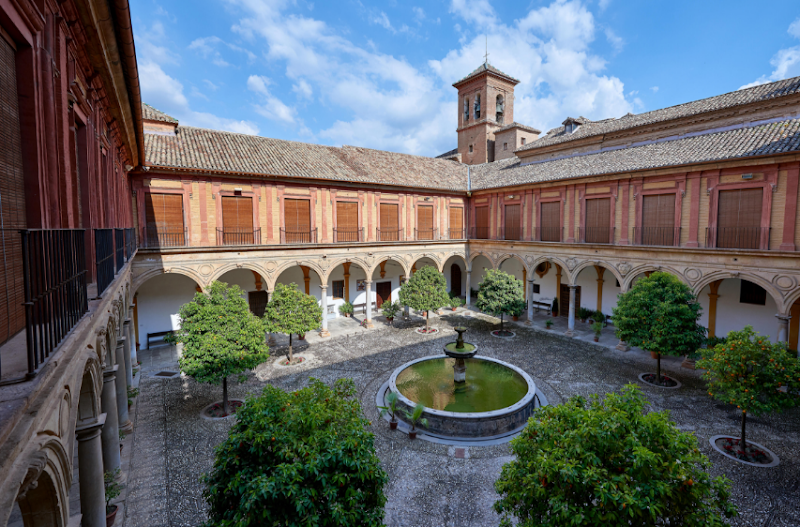
This monastery is located on the Sacromonte hills above Granada, built in the 17th century. The complex combines religious, educational, and museum functions, and its greatest asset is its location – offering views of Granada and the Alhambra. Inside, you can see the monastery courtyards, a chapel, and a small museum containing liturgical objects, manuscripts, and artifacts related to the history of the site.The tour takes approximately 30–60 minutes. Tickets cost a few euros, and there are few tourists, so there are no lines or reservations required.The best way to get here is by bus C34.
Address: Cam. del Sacromonte, s/n, Albaicín, 18010 Granada, Spain
- Zambra María la Canastera
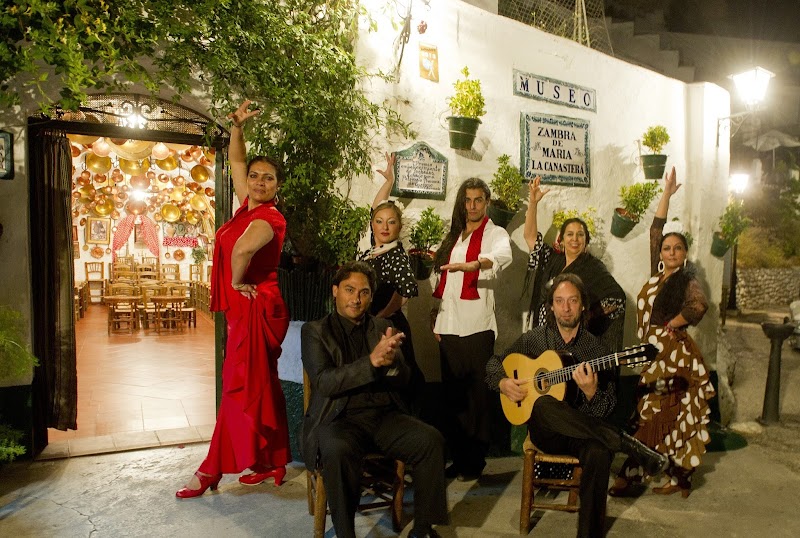
One of the most famous flamenco performances in Sacromonte, held in a real cave, which has served as a "living museum" of flamenco since the 1950s. This isn't a traditional theater stage – the audience sits very close to the artists, and the entire performance is based on singing, guitar, and dancing in a stark space carved into the rock. The venue is associated with the La Canastera family and the tradition of the so-called zambra gitana, a local form of flamenco originating from the Roma culture of Sacromonte.The performance lasts approximately one hour and takes place in the evenings (usually around 8:00–9:00 PM). Tickets cost approximately €20-26 and include one drink. It's recommended to book online in advance, as space is limited: https://www.marialacanastera.com/en/reservations/.
Address: Cam. del Sacromonte, 89, Albaicín, 18010 Granada, Spain
- Restaurante Tetería Palmira
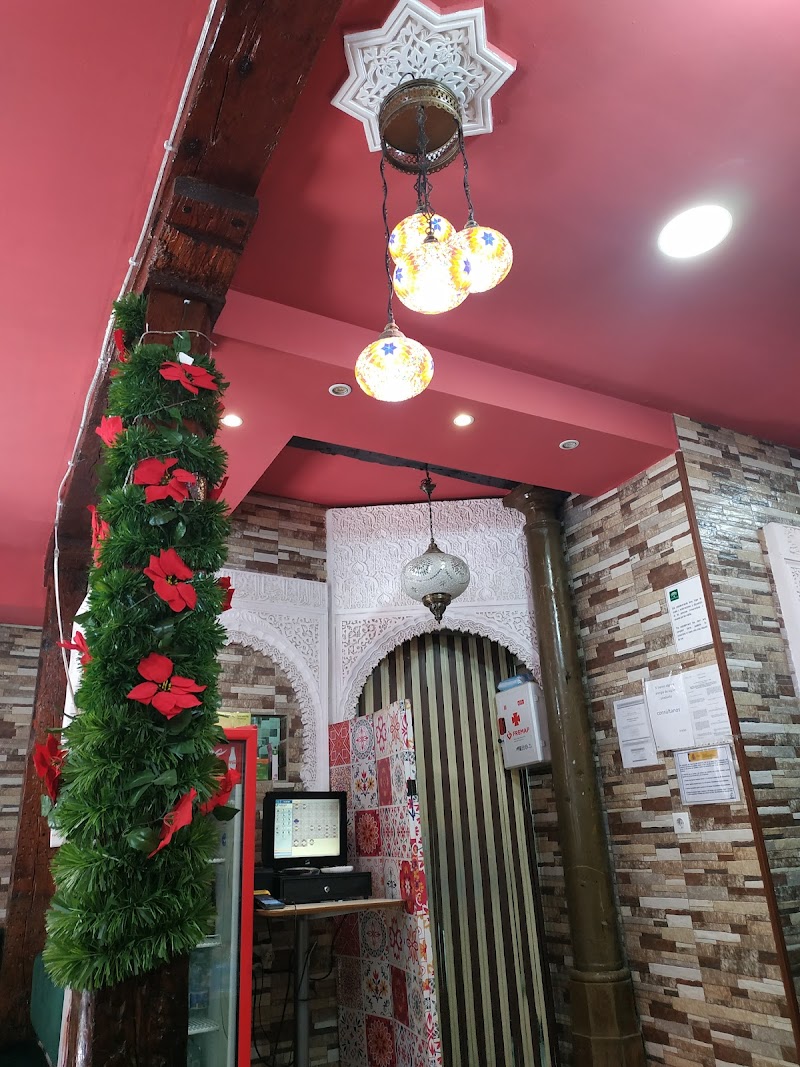
This restaurant serves Arabic and Middle Eastern cuisine with distinct Syrian and Moroccan influences. The menu includes hummus, falafel, couscous, tagines, and grilled meats.Granada was part of the Arab world (Al-Andalus) for nearly 800 years, and the influence of this culture is still evident in the city. Tetería Palmira honors this culinary tradition.
Address: C. Elvira, 40, Albaicín, 18010 Granada, Spain
About this plan
Why visit this Andalusian city? Unique Granada attractionsGranada is one of the most fascinating places on the map of Spain, where Christian culture and Arabic history form an inseparable whole. What sets the city apart from other European destinations is its unique identity. It is here, at the foot of the majestic, snow-capped peaks of the Sierra Nevada, that the monumental Alhambra rises – a breathtaking palace complex regarded as a gem of Islamic architecture.Strolling through the city, you change eras with every step: from the narrow, mint-scented streets of the former Arabic bazaar to the Renaissance Cathedral and the unique, rock-hewn caves where traditional flamenco was born. Here, you can soak up the southern sun while admiring alpine landscapes at the very same time. Granada is also famous for its unique culinary culture – it is one of the few places in Andalusia where many bars still serve free tapas with your drink order, making your stay an incredible adventure for the palate.Your personal Granada travel guideAre you wondering what to see in Granada to avoid wasting time on logical errors? Our app is a modern, intuitive Granada travel guide that takes the stress of trip planning completely off your shoulders. Instead of chaotically searching for directions on a map, you walk through the city step-by-step according to an optimized route. This allows you to see significantly more in a short time, avoiding unnecessary backtracking. We have included a description for every single attraction in Granada, so you instantly know what you are looking at and uncover the secrets of the monuments you pass. What's more, we have included only tried-and-tested eateries, traditional breakfast cafes, and authentic tapas bars in the itinerary, protecting you from overpriced tourist traps.Choose a ready-made 2-day Granada itineraryThis meticulously crafted 2-day Granada itinerary was created for those who value their time and want to squeeze the absolute maximum out of a weekend city break. It is the perfect solution for anyone who dislikes planning on their own or spending hours scouring travel blogs. If you want to truly get to know the place you are visiting, taste its authentic, local atmosphere, and see the most important highlights without rush or frustration – this interactive Granada itinerary is just for you. Whether you are traveling solo, planning a romantic weekend for two, or a quick getaway with friends, our Granada guide gives you the peace of mind that you won't miss a single magical corner of this extraordinary city. Experience the freedom of travel and enjoy your vacation!