Lublin surprises — and that's exactly what makes it special. One of Poland's oldest and most underrated cities, it packs centuries of history into a compact, walkable centre: Gothic and Renaissance architecture side by side, and the layered legacy of communities that shaped this place for generations. This one-day itinerary takes you through the historic heart of the city — medieval gates, castle walls, winding cobblestone streets and a rich multicultural heritage waiting to be discovered. For those who wish to reflect on a darker chapter of history, an optional add-on takes you to one of the best-preserved memorial sites in Europe, located just outside the city centre.
Plan details
- City: Lublin
- Number of days: 1
- Number of places: 28
Itinerary
Day 1
- Lublin Castle
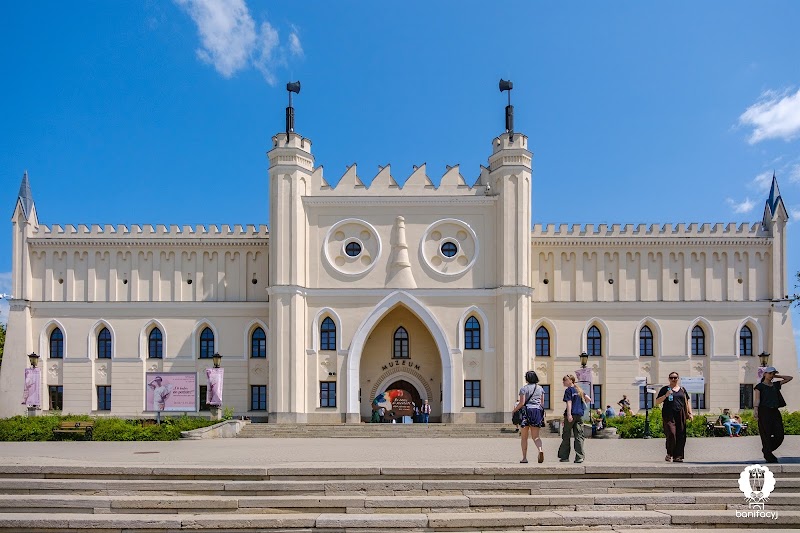
In 1569, within the walls of Lublin Castle, the Union of Lublin was signed — the act that merged the Kingdom of Poland and the Grand Duchy of Lithuania into the Polish-Lithuanian Commonwealth, at the time the largest state in Europe. It was a diplomatic achievement so significant that historians still regard it as a model of voluntary political union; the kings and nobles who gathered in these very halls negotiated a deal without a single battle being fought over it. The castle today houses the Lublin Museum, with extensive collections spanning painting, decorative arts, and regional archaeology. The crown jewel is the 14th-century Chapel of the Holy Trinity, whose Byzantine-Ruthenian frescoes are considered among the finest surviving examples of medieval wall painting in all of Poland — vivid, golden, and astonishingly well-preserved. The tower offers sweeping views over the old town and the Bystrzyca river valley, rewarding the climb amply.Tickets & info: Standard tickets approx. 20–25 PLN, reduced approx. 15 PLN; the chapel may require a separate ticket. Open Tuesday–Sunday 10:00–17:00 (seasonally until 18:00). Free admission on selected Sundays — check the museum website for current dates. official website
Address: Zamkowa 9, 20-120 Lublin, Poland
- National Museum in Lublin
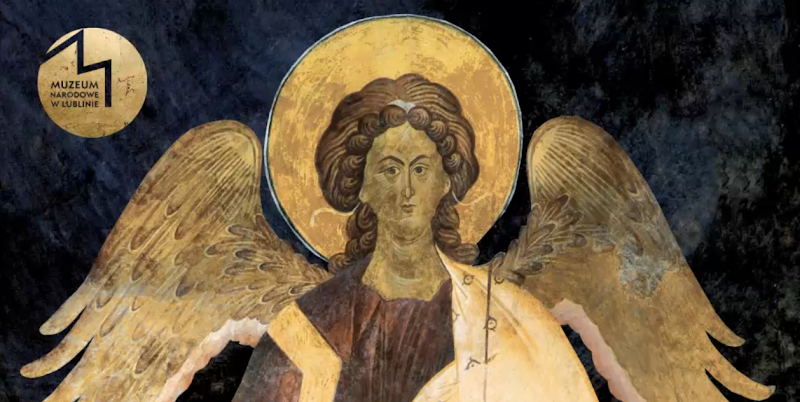
The National Museum in Lublin was established in 1906, making it one of the oldest and most significant cultural institutions in the Lublin region. It is distributed across several branches throughout the city, with the main collection housed in the former Saxon Palace and key exhibits located in Lublin Castle and the Chapel of the Holy Trinity. Over more than a century, it has amassed an exceptional collection spanning fine art, decorative arts, numismatics, and regional archaeology. What sets this museum apart is the extraordinary breadth of its holdings combined with the outstanding quality of its individual treasures. The castle branch shelters the Chapel of the Holy Trinity, adorned with a Byzantine-Ruthenian polychrome from 1418 commissioned by King Władysław II Jagiełło — a masterpiece of medieval art virtually unparalleled in Central Europe outside of the Balkans. The collection of Sarmatian portraits, liturgical goldsmithery, and Baroque textiles further cements the museum's position as a repository of Polish noble culture at its most distinctive. Do not miss the medieval polychrome in the castle chapel, the gallery of Sarmatian portrait paintings, and the Baroque goldsmithery collection. Tickets & info: Standard ticket: 15–25 PLN (varies by branch); concession: 10–15 PLN; free entry on selected days (check current schedule, typically one day per weekend). Opening hours: Tue–Sun 10:00–17:00, with possible extended hours in summer. Link: official website
Address: Zamkowa 9, 20-117 Lublin, Poland
- Donżon
Address: Zamkowa 9, 20-122 Lublin, Poland
- Lantern of Memory
Address: Podwale 15, 20-400 Lublin, Poland
- Grodzka Gate – NN Theatre
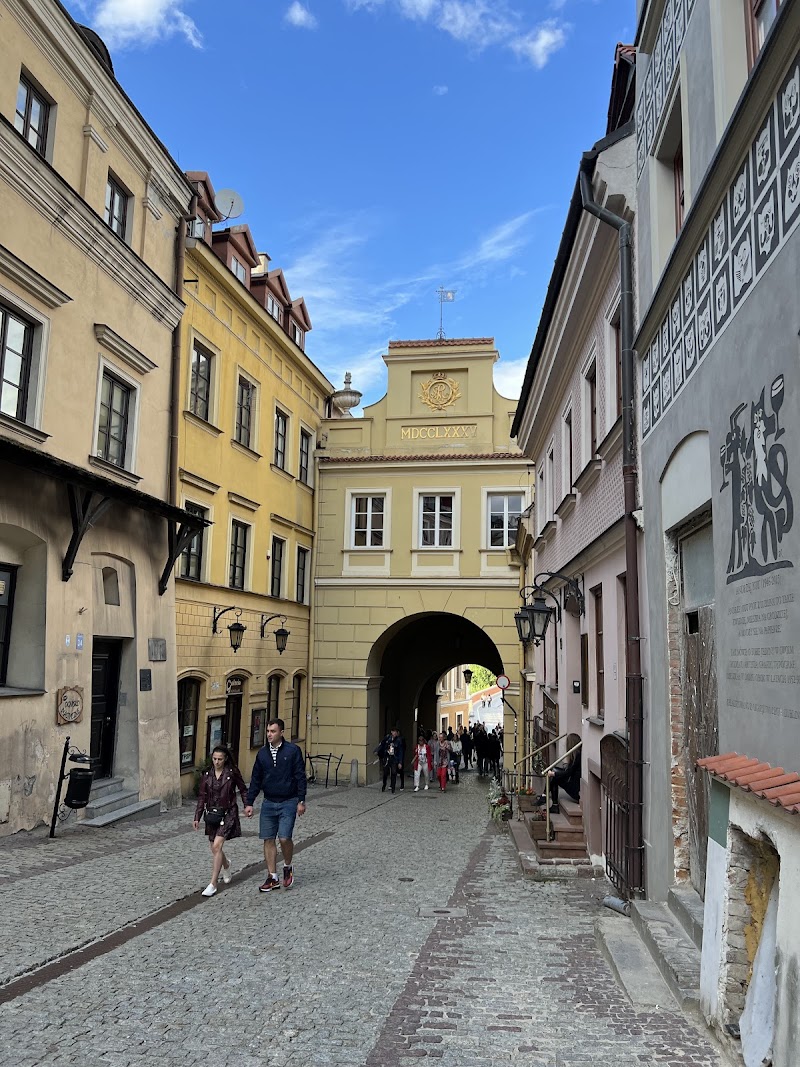
For over three centuries, tens of thousands of Lublin's Jewish residents passed through this gate — and after the Second World War, almost none of them remained to pass through it again. The Grodzka Gate, once called the Jewish Gate because it stood at the boundary between the Christian Old Town and the Jewish quarter of Podzamcze, now operates as one of Poland's most important memorial centres — a place dedicated to documenting a world that was destroyed. The NN Theatre, based here and led for decades by Tomasz Pietrasiewicz, has assembled a remarkable archive of photographs, voices, documents and testimonies relating to Lublin's prewar Jewish community. Before 1939, more than 40,000 Jews lived in Lublin — nearly a third of the city's population. The entire Podzamcze district where they lived was razed during the occupation; today, nothing of it remains above ground. The permanent exhibition "Lublin. Memory of a Place" leads visitors through a carefully constructed sequence of images, recordings, and installations that gradually reconstruct the vanished world through names, faces, and the traces of everyday life. It is a quietly devastating experience — you enter as a sightseer and leave with something harder to shake, a sense of personal obligation to the memory of what was lost here. Entry is free or at a nominal charge, and the Gate is open Tuesday through Sunday from 10:00 to 18:00; the full programme of events and exhibitions is available at the official website.
Address: Grodzka 21, 20-112 Lublin, Poland
- Fundamenty fary - kościoła św. Michała Archanioła
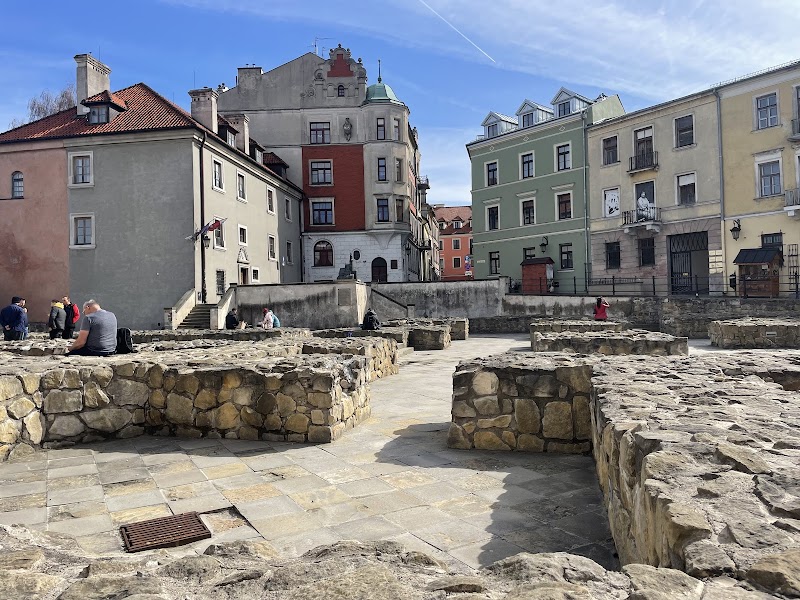
Address: Grodzka 9, 20-400 Lublin, Poland
- Model fary św. Michała
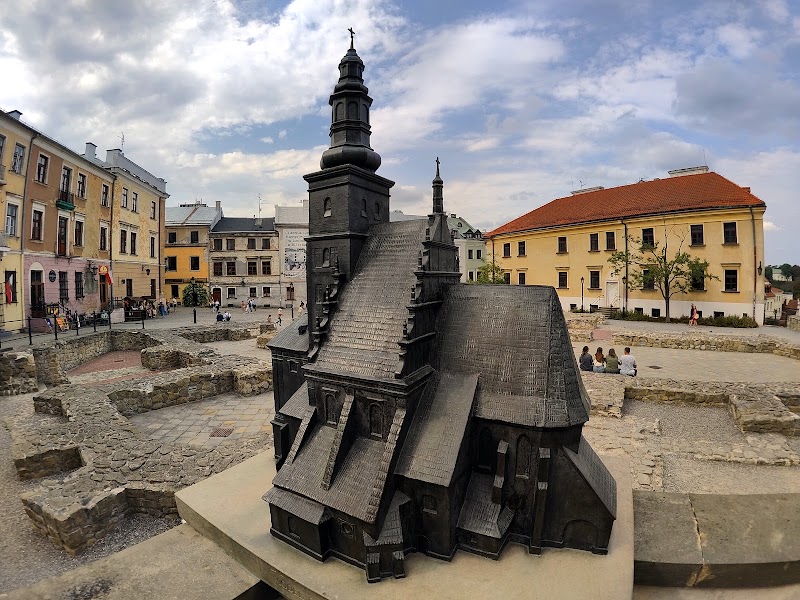
Address: 20-113 Lublin, Poland
- Ulica Ku Farze
Address: Ku Farze 3/7, 20-115 Lublin, Poland
- Zaułek Hartwigów
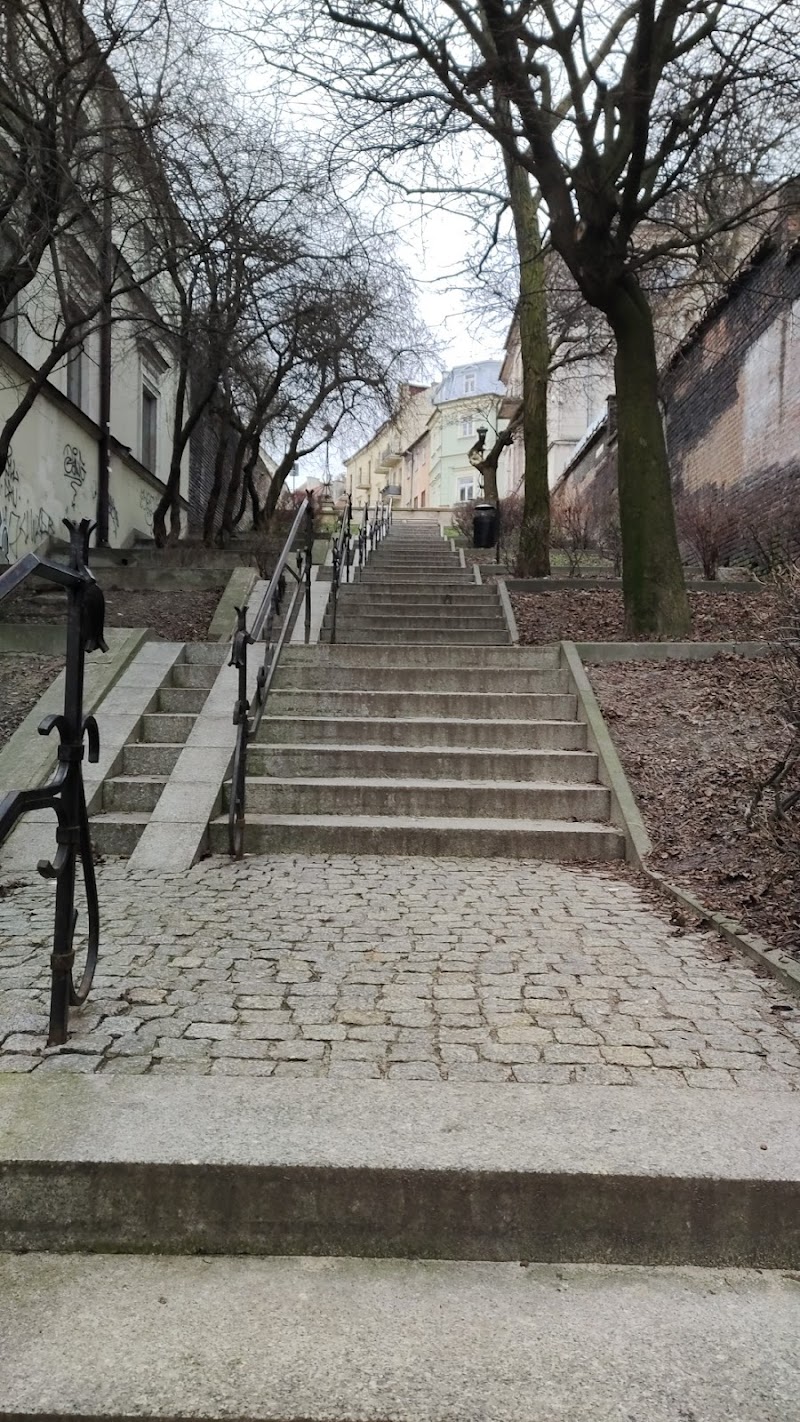
Address: Zaułek Hartwigów, 20-122 Lublin, Poland
- Między Słowami
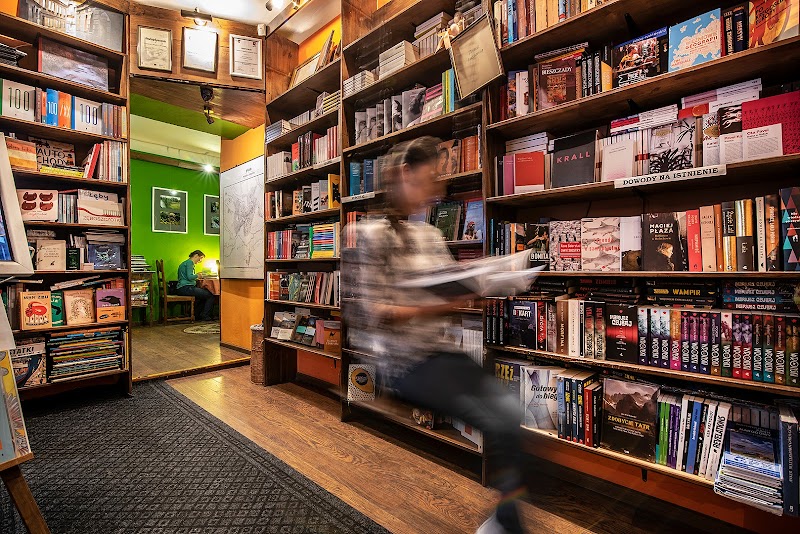
Address: Rybna 4, 20-114 Lublin, Poland
- Church of St. Nicholas
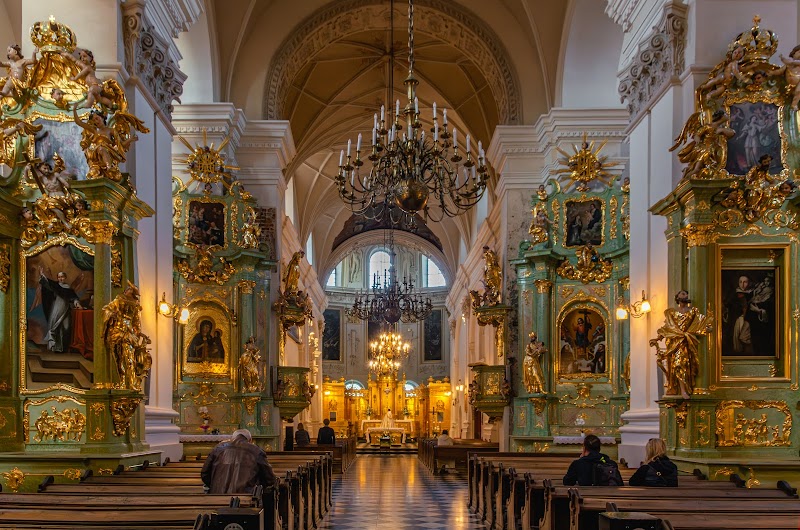
Stepping into the Church of St. Nicholas, you feel the chill of thick Gothic walls before your eyes have fully adjusted — a cool, stony stillness that sets this ancient space apart from the busier world outside. The interior is more austere than many Lublin churches, but that restraint gives every detail room to breathe: the ribbed Gothic vaulting, the Baroque altar, the old epitaphs lining the walls. Light enters through narrow windows and draws slow golden patches across the floor, shifting through the day like a sundial. St. Nicholas is considered one of Lublin's oldest churches, with roots stretching back to the fourteenth century or possibly earlier, when a parish here served the fishermen and craftsmen of the riverside settlements. Over the centuries it was rebuilt after fires and modified in successive styles, leaving a layered architectural record that rewards careful looking — each column and cornice tells a slightly different chapter of the city's story. Highlights:The Gothic ribbed vault of the nave — one of Lublin's best-preserved medieval architectural elementsThe Baroque high altar with elaborate 17th–18th century woodcarvingMemorial plaques and epitaphs of Lublin's historic burghers, offering a personal window into the city's pastTickets & info: Free entry, open for visitors outside of Mass times. Located on ul. Dominikańska in Lublin's historic centre. official website
Address: Złota 9, 20-117 Lublin, Poland
- Dominican Church
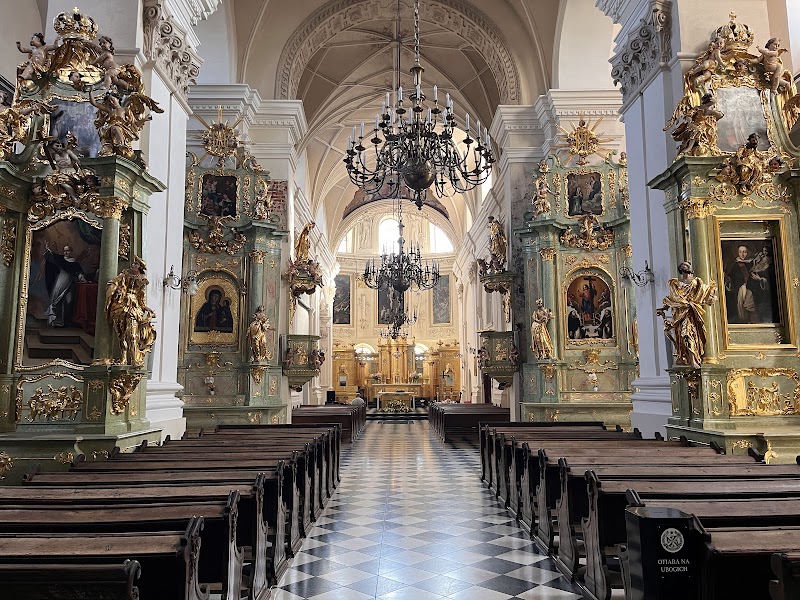
The Dominican Church and Monastery in Lublin was founded in the fourteenth century under royal patronage and grew over the following centuries into one of the most important religious and intellectual centres in the entire region. What sets it apart from other Lublin churches is the exceptional richness of its side chapels, each endowed by a different noble family and each a self-contained work of art spanning Renaissance to Baroque. The Firlej Chapel, built in the early seventeenth century, is considered one of the finest examples of Renaissance sacred architecture in eastern Poland, its dome drawn directly from Italian models. The monastery walls witnessed some of the most consequential events of the Polish-Lithuanian Commonwealth — parliamentary gatherings and diplomatic meetings that shaped the fate of the state were held here. Among the three specific elements most worth seeking out are the magnificent Firlej Chapel with its coffered dome, the Gothic presbytery whose original medieval structure survives beneath later additions, and the remarkable collection of paintings and sculpture lining the nave and sacristy — a genuine gallery of Old Commonwealth art. Tickets & info: Free entry to the church, open outside liturgical hours. Located on pl. Dominikański in Lublin's old town, a few minutes' walk from the Kraków Gate. official website
Address: Złota 9, 20-112 Lublin, Poland
- Trybunał Cultural Pub
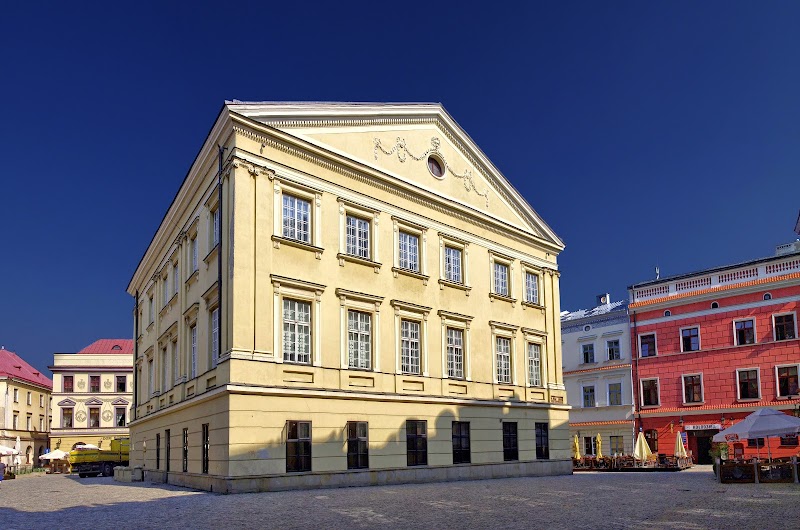
Trybunał Cultural Pub is at its best in the evening, when the noise of the Old Town drifts through the wide-open windows of the Market Square townhouse, and the interior fills with tables stacked with books, concert posters pinning the walls, and a mix of students, artists and travellers who stumbled in by accident and decided to stay until closing. The place feels more like a literary salon than a straightforward pub — it has character and an intangible atmosphere that turns a first pint into an hours-long conversation without you noticing.You must try:Rotating local craft beer — weekly selections are chalked up on the board near the entranceTurkish coffee brewed in a cezve — surprisingly good for a pubNalewka of the day — the bartender will happily tell you about the ingredients if you askHours & reservations: Mon–Thu 14:00–01:00, Fri–Sat 12:00–02:00, Sun 14:00–23:00; no reservations taken, but capacity can be limited during cultural events; beers from 12 PLN, website
Address: Rynek 1, 20-400 Lublin, Poland
- Lublin Underground Route
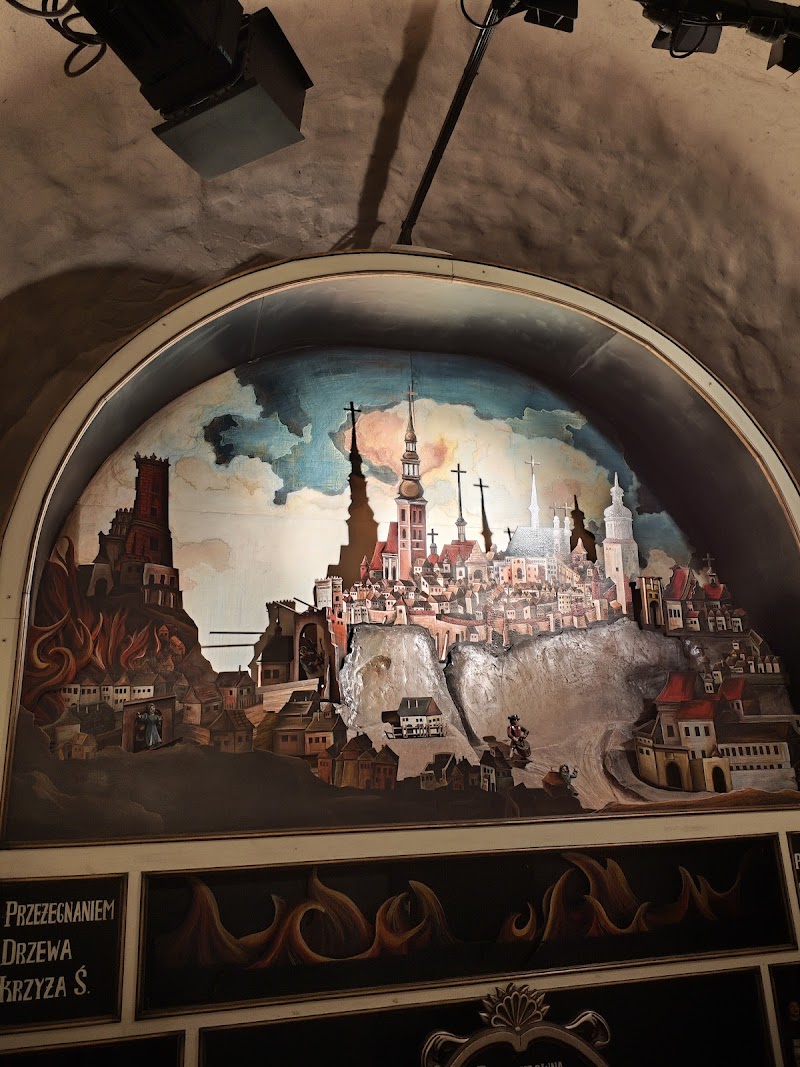
Beneath the cobblestones of Lublin's Old Town runs a network of merchant cellars stretching over 280 metres, carved out over nearly five centuries — the Underground Route is one of the best-preserved systems of historic trading vaults in Poland. The tunnels were dug between the fourteenth and eighteenth centuries to store goods brought to Lublin's renowned trade fairs, which for centuries drew merchants from as far afield as Gdańsk and Constantinople. Each vault originally belonged to a different burgher family, and the network grew organically as cellars were connected across property boundaries beneath the Market Square. Today the route has been transformed into a curated tourist path where reconstructed scenes bring the city's mercantile past to life: craft workshops, trading storerooms, and vivid tableaux depicting episodes such as townsfolk sheltering underground during fires and enemy raids. The tour lasts approximately 50 minutes and exits near the Old Market Square, passing through cellars on several levels — the deepest corridors sit nearly 10 metres underground, where the temperature hovers at a constant 9–12°C year-round, so bring a light jacket regardless of the season. Tickets are approximately 20–25 PLN standard and 15 PLN concession; the route operates daily in the spring–summer season (March–October) from 10:00–18:00, with reduced hours off-season — full details and booking available at official website.
Address: Rynek 1, 20-112 Lublin, Poland
- Old Town Market Square
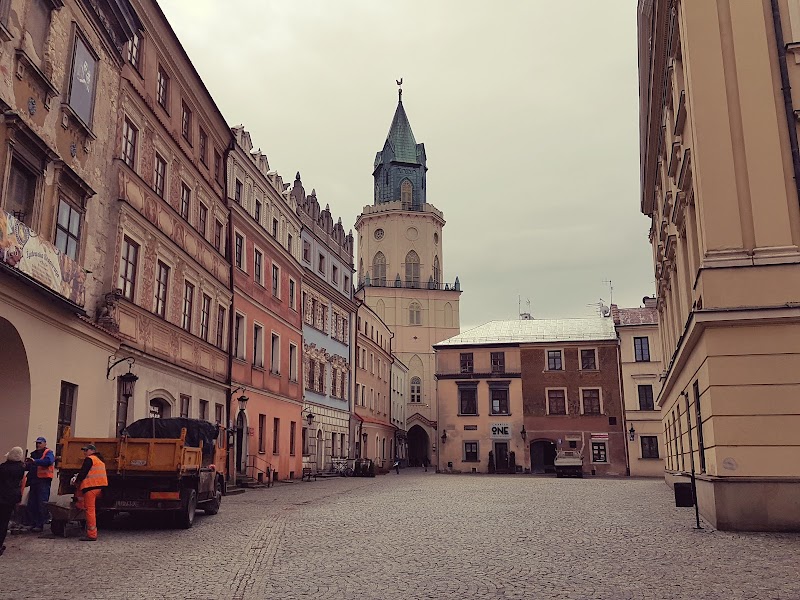
Step onto Lublin's Old Town Market Square and you're immediately wrapped in a palette of ochre, rust-red and pale gold — the townhouses rising around you on all sides like the walls of an open-air theatre. The cobblestones underfoot have been worn smooth by centuries of foot traffic; street musicians fill the air with melody, and the smell of coffee drifts from café windows that seem to belong to another era entirely. There's a warmth and intimacy to this square that larger, more famous European plazas rarely manage. The square took its current shape in the 14th century and became the beating commercial and legal heart of what was then one of Poland's most prosperous cities. The Crown Tribunal — the supreme court of the Polish-Lithuanian Commonwealth — held session here, and the verdicts handed down within its walls echoed across the entire realm. The neo-Gothic town hall still anchors the space, while the surrounding townhouses now shelter restaurants, craft galleries, and boutiques that keep the place lively well into the evening. Highlights:The Crown Tribunal building — Gothic-Renaissance architecture housing a permanent exhibition on the history of Polish lawThe arcaded Renaissance townhouses lining the square, each with its own ornamental details worth studying up closeThe central fountain — a natural gathering point and the perfect spot to sit and absorb the atmosphereTickets & info: The square is open and free to visit at all times. Crown Tribunal interior approx. 10–15 PLN. More information at the city's official website
Address: Rynek, 20-076 Lublin, Poland
- Stone of Misfortune
Address: prezydenta Teodora Gruella, 20-111 Lublin, Poland
- Lublin Cathedral
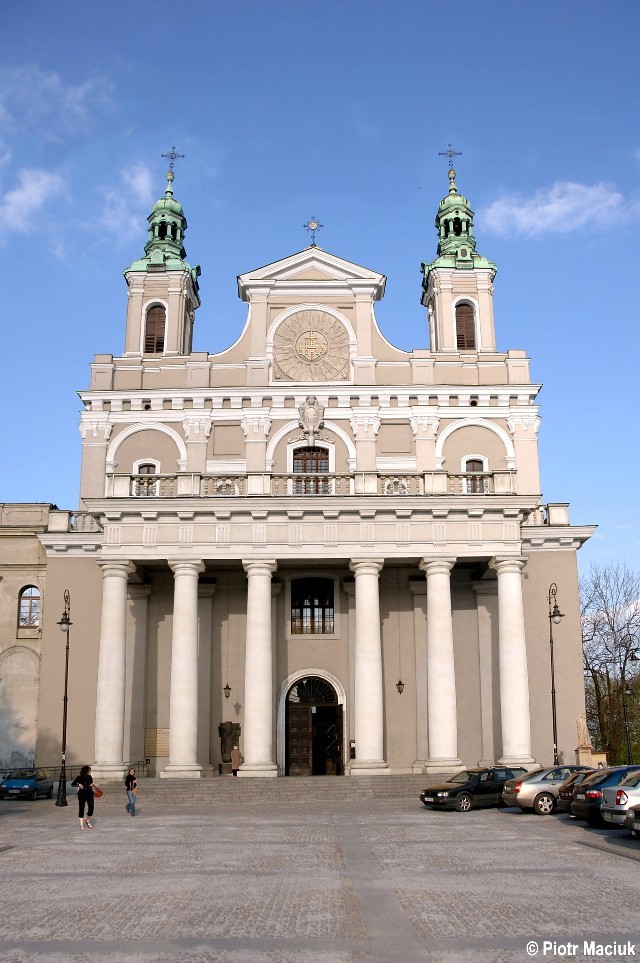
Visit early in the morning if you can — arriving just after dawn means you'll have the cathedral largely to yourself, and the eastern light falling through the windows casts golden bands across the marble floor in a way no photograph quite captures. Lublin Cathedral — formally the Basilica of the Conversion of Saint Paul — is the city's largest church, built between 1586 and 1604 by the Jesuits as a bold statement of Counter-Reformation confidence. Modelled on the mother church of the Society of Jesus, Il Gesù in Rome, it was designed to impress and persuade in equal measure, its facade a declaration of Catholic permanence in a city that had become one of Poland's most religiously diverse. The building that resulted is far more than an architectural exercise in piety, however; it is full of genuine surprises. The most celebrated is the Acoustic Room — an oval 18th-century chamber in which a whisper breathed against one wall travels clearly to a listener standing at the opposite side, with no technology involved, only architectural precision. The nave is covered in trompe-l'oeil frescoes by Jesuit painter Józef Mayer, which transform a relatively modest space into an apparently soaring, dome-crowned basilica of far greater grandeur than it actually possesses. It is a place of illusions, and beautiful ones at that.Highlights:The Acoustic Room (Treasury) — the oval whispering chamber that never fails to astonish first-time visitorsJózef Mayer's illusionistic ceiling and wall frescoes, a masterpiece of Baroque trompe-l'oeil techniqueThe Chapel of Our Lady, home to a revered icon that has drawn pilgrims to Lublin for centuriesTickets & info: Entry to the church is free. The Treasury and Acoustic Room: approx. 5–10 PLN. Open daily, generally 6:00–19:00 (limited access during services). official website
Address: Królewska 10, 20-109 Lublin, Poland
- Trinity Tower
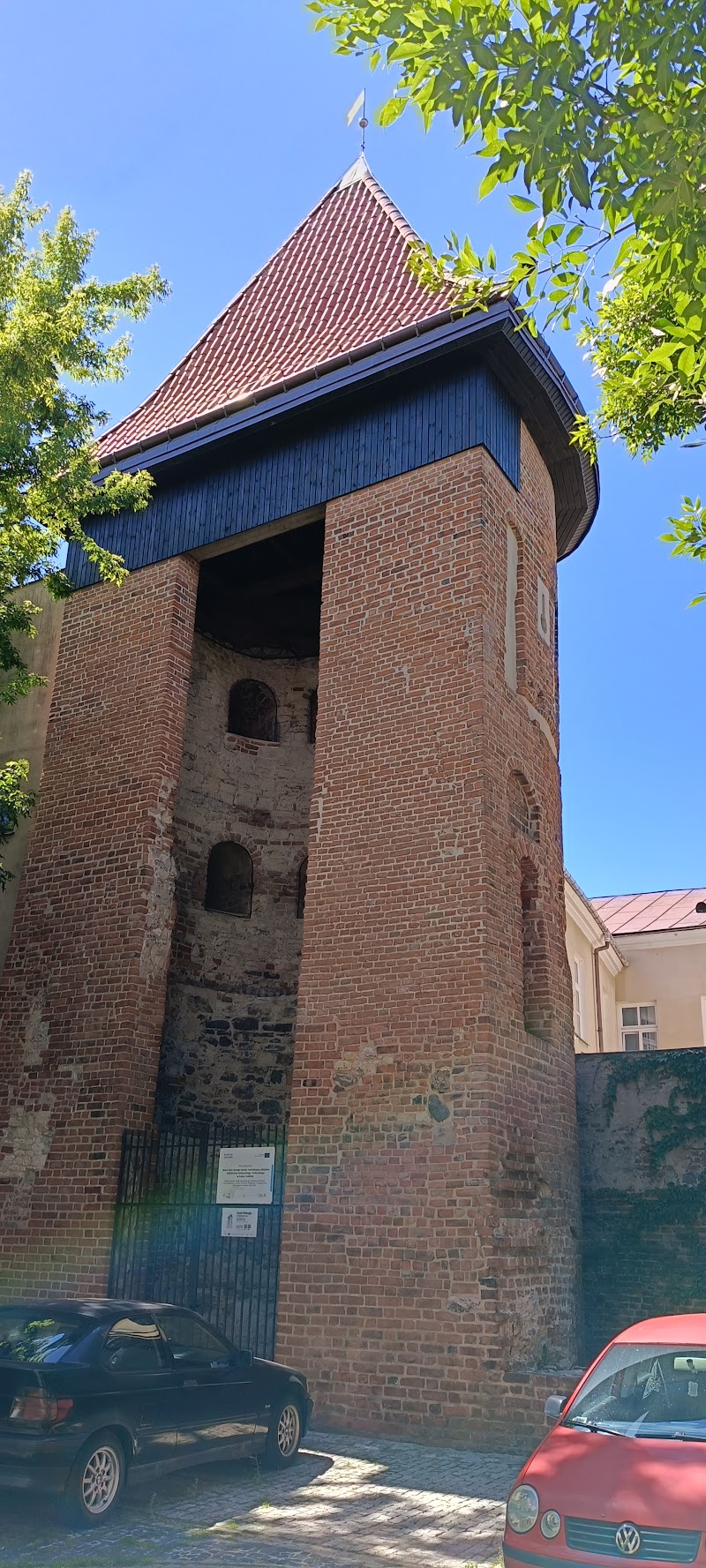
When King Casimir the Great granted Lublin its municipal charter in 1342, the gate tower now known as the Trinity Tower was already a key element of the city's eastern defences; what surprises many visitors is that its distinctively Baroque silhouette dates only from the eighteenth century, when the Trinitarian friars rebuilt the Gothic tower with an ornate upper storey and lantern dome. The Trinity Tower rises 40 metres above the Old Town and was for centuries the highest point accessible to the public within the historic city walls. The Trinitarian order — renowned across Catholic Europe for ransoming Christian captives from Ottoman captivity — gave the structure its present form in 1819, blending the surviving Gothic masonry of the lower levels with the decorative Baroque crown visible from across the city. Inside, the tower houses the Museum of the Lublin Archdiocese, whose collection of sacred art includes medieval devotional objects, liturgical vestments, and paintings spanning several centuries. At the very summit, an open viewing terrace rewards the climb with a sweeping panorama across the Old Town rooftops, Lublin Castle, the Bystrzyca river valley, and on clear days the distant ridges of the Roztocze hills — do not miss the Gothic stonework in the lower levels, the archdiocese's sacred art collection, and that view from the top. Tickets & info: Standard ticket: approx. 8–12 PLN; concession: approx. 5–7 PLN; free entry on selected religious holidays. Opening hours: daily 10:00–17:00 (extended to 19:00 in summer season). Link: official website
Address: Królewska 8, 20-400 Lublin, Poland
- Lublin Museum of History
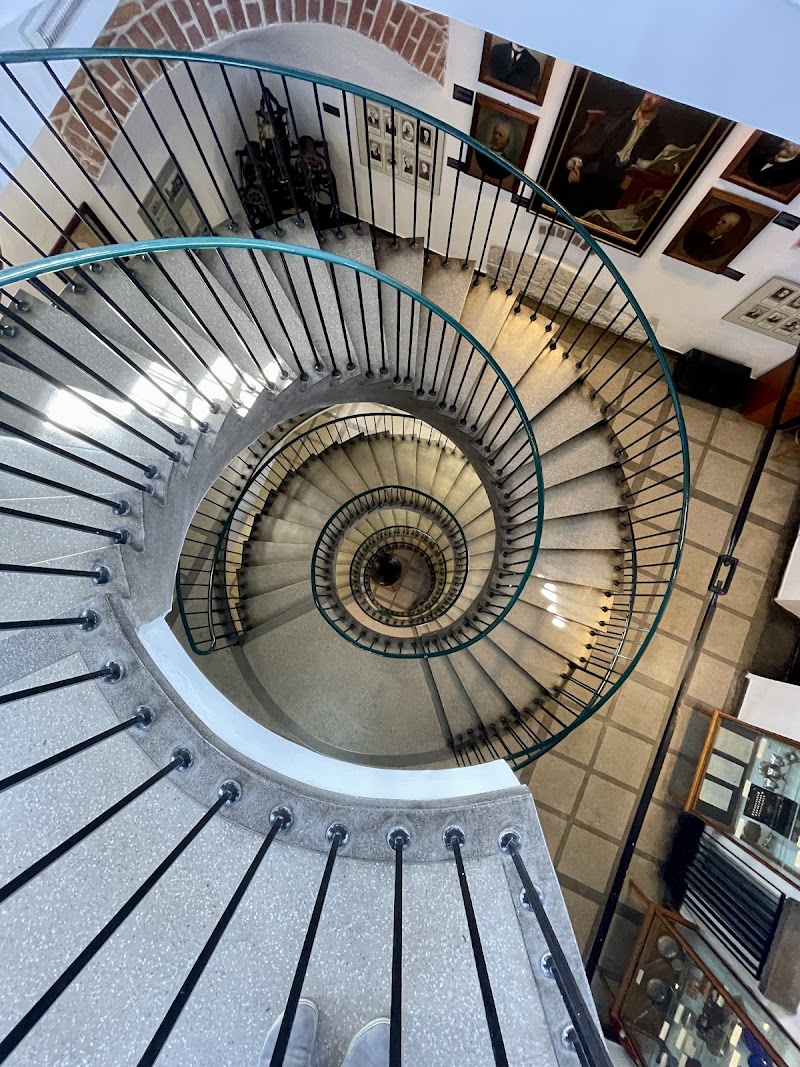
Visit the Lublin Museum of History on a weekday morning — crowds are sparse and the staff often share stories that go well beyond what the exhibit labels say. The Lublin Museum of History is housed in the Lubomelski tenement house at ul. Jezuicka 2, a building whose origins trace back to the sixteenth century, set in the heart of the Old Town. The permanent exhibition guides visitors through the full sweep of the city's history — from its medieval foundations and Jagiellonian-era golden age through the turbulent years of partition, two world wars, and into the present day. A particularly moving section explores Lublin as a multi-ethnic city where Poles, Jews, Armenians, Ruthenians, and Lithuanians lived side by side for centuries, creating one of the most culturally layered urban communities in this part of Europe. What makes a visit here genuinely surprising is what lies beneath the building itself: excavations in the cellars revealed fragments of thirteenth-century walls, which are on view during the tour and represent some of the oldest accessible traces of Lublin's urban fabric. The collection includes rare cartographic documents, Jagiellonian-era city records, historical photographs, and everyday objects that together paint an intimate, human-scale portrait of the city across the ages. Highlights:Exhibition on multicultural Lublin and its rich Jewish heritageVisible remnants of 13th-century walls in the tenement's cellarsCollection of historical maps and Jagiellonian-era municipal documentsTickets & info: Standard ticket: approx. 10–12 PLN; concession: approx. 6–8 PLN; free entry on selected days. Hours: Tue–Sun 10:00–17:00. Link: official website
Address: Łokietka 3, 20-109 Lublin, Poland
- Kraków Gate
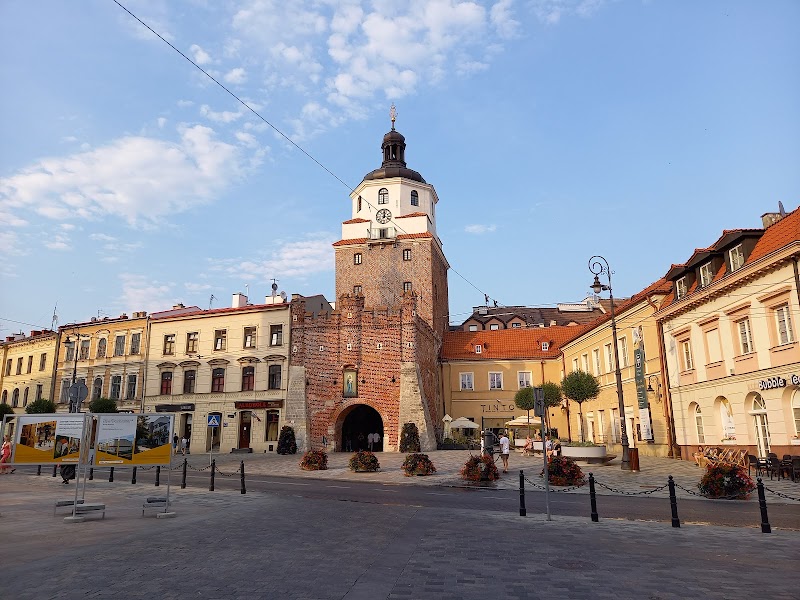
Kraków Gate was erected in the 14th century under King Casimir the Great as the principal gateway into Lublin from the royal road leading south to Kraków. For centuries it served as a toll point, a watchtower, and at times a prison; it was through this very arch that Polish kings made their ceremonial entries into the city, and merchants from across Europe passed beneath it on their way to Lublin's celebrated fairs. What sets Kraków Gate apart from comparable defensive structures in Poland is the way it wears its own architectural history openly: a Gothic base, a 15th-century Renaissance upper storey, and a Baroque crown sit one atop the other like layers of geological strata — each century leaving its mark without erasing what came before. Today the tower houses the Museum of Lublin's History, and the viewing terrace at its summit rewards visitors with one of the finest panoramas in the city, taking in the Old Town rooftops, the castle hill, and the green Bystrzyca valley beyond. The gate's silhouette also appears in the city's coat of arms, a testament to how deeply it is woven into Lublin's identity. Don't miss the original Gothic chamber with exposed medieval masonry, the collection of historic maps showing Lublin's urban evolution, and the open-air terrace view stretching across the whole of the Old Town. Tickets & info: Standard ticket approx. 8–12 PLN, reduced approx. 5–8 PLN. Open Tuesday–Sunday 10:00–17:00. Free entry on selected days — see the museum website for current schedule. official website
Address: Bramowa 2, 20-400 Lublin, Poland
- Lublin City Hall
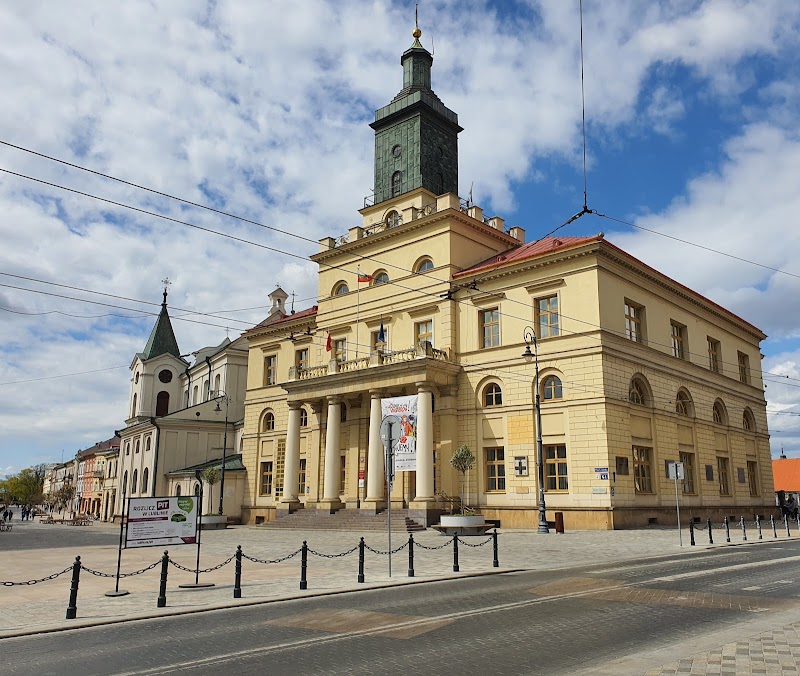
Lublin City Hall was first established in the 14th century as the seat of government for this royal city, with its current neoclassical form resulting from a thorough reconstruction carried out between 1781 and 1787 to a design by Dominik Merlini, the court architect of King Stanislaw August Poniatowski. What sets it apart from many Polish town halls is its centuries-long dual role as both a civic and judicial center — its cellars once held a municipal prison, while its halls hosted the Crown Tribunal, one of the highest courts of appeal in the old Polish-Lithuanian Commonwealth, earning Lublin the informal title of the legal capital of Poland. The building commands Plac Lokietka at the heart of the Old Town, its elegant symmetrical facade and tall clock tower closing the grand vista of Krakowskie Przedmiescie. Inside, ceremonial rooms have retained much of their original decor, including the Tribunal Hall adorned with noble coats of arms. Today the building serves as the seat of Lublin's city authorities but opens its doors to visitors during special open days and cultural events throughout the year. Three things especially worth seeing are the 18th-century clock tower, the ceremonial Tribunal Hall with its heraldic decorations, and the Gothic cellars containing medieval architectural relics. Tickets & info: Interior accessible during open days and cultural events, usually free or with a nominal fee. Plac Lokietka 1, Lublin. Reachable by tram or bus to the Stare Miasto stop. City of Lublin official website
Address: plac Króla Władysława Łokietka 1, 20-109 Lublin, Poland
- Church of the Holy Spirit
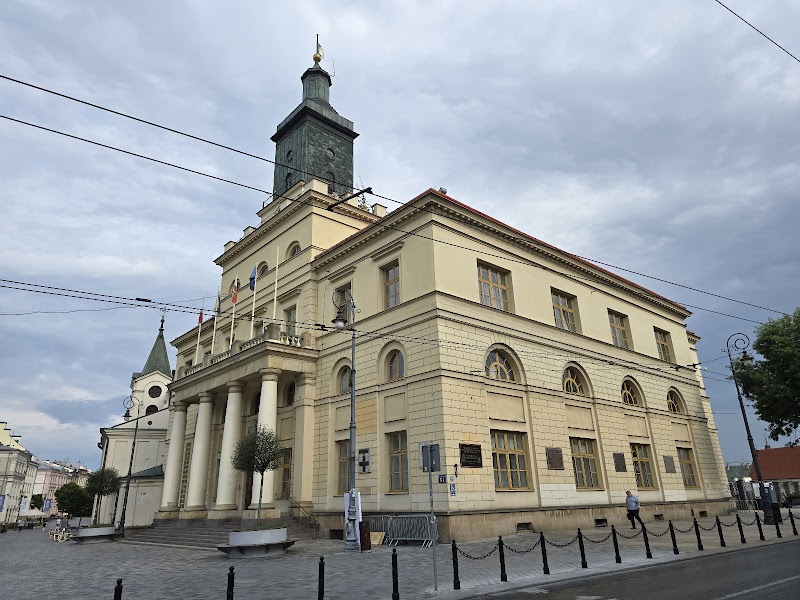
Visit the Church of the Holy Spirit on a weekday morning — crowds are absent, the eastern light falls at its most generous angle, and the silence lets the age of the walls speak for itself. The Church of the Holy Spirit ranks among Lublin's oldest sacred buildings, with origins in the medieval period when a hospital stood beside the church — in the era's sense of the word: a shelter for the poor and for pilgrims passing through the city. The friars here cared for the sick and destitute long before medicine became a science. The building itself has been transformed many times over the centuries: Gothic masonry now frames Baroque furnishings, and the façade carries the imprints of several distinct architectural periods, making the church a kind of chronicle written in stone and brick. Its most thorough transformation came in the eighteenth century, when a Baroque refurbishment gave the interior its current character. For centuries the church served as a landmark for travellers entering Lublin along one of the city's main approach roads — it was the first or last church they would pass, lending it a symbolic role as a gateway to the city that shaped its identity across generations. Highlights:Baroque side altars with elaborate woodcarving typical of the distinctive Lublin Baroque styleGothic structural elements visible in the masonry, evidence of the church's medieval originsHistoric sacristy furnishings with preserved pieces from the 17th and 18th centuriesTickets & info: Free entry, open outside of Mass times. Located on ul. Jezuicka near the Old Town. official website
Address: Krakowskie Przedmieście 1, 20-002 Lublin, Poland
- Capuchin Church
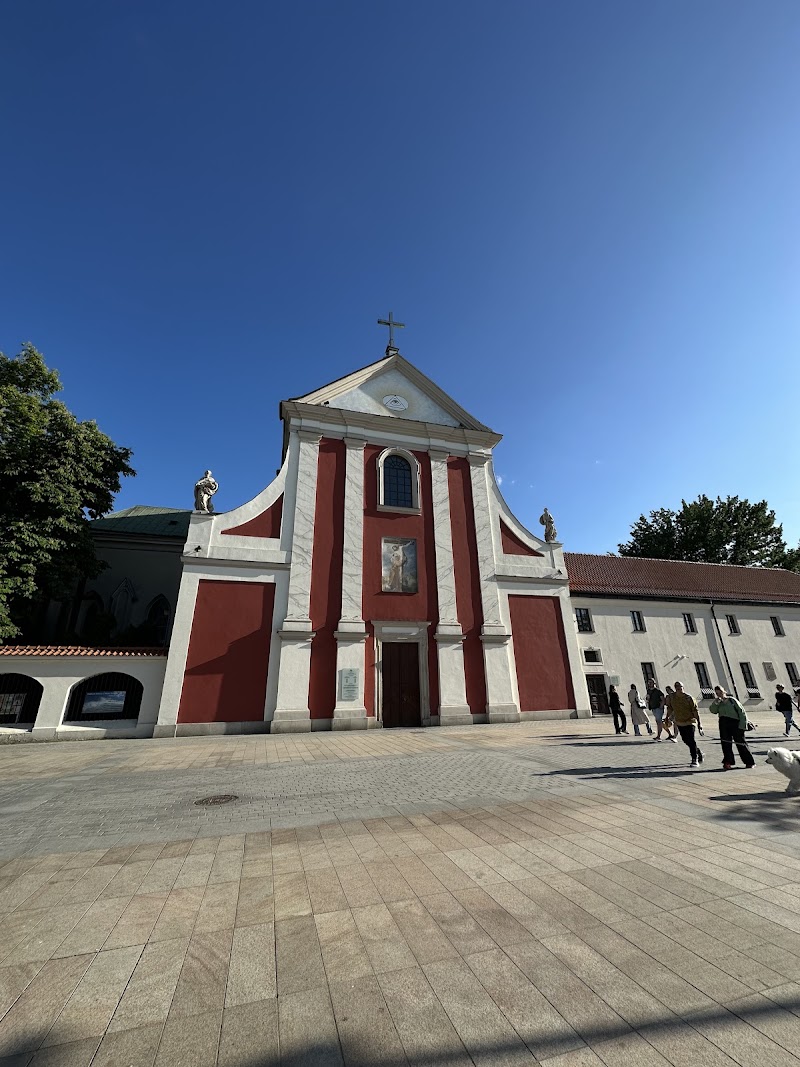
Beneath the floor of the Capuchin Church in Lublin lies a crypt holding the remains of over two hundred friars and benefactors — a quiet necropolis that most visitors walk above without ever knowing it exists. The church was built in the eighteenth century when the Capuchins established themselves in Lublin and, true to their Franciscan rule, erected a church of deliberate simplicity: no gilding, no excessive ornament, just clean lines and a focus on what is essential. The spare, limestone interior stands in sharp contrast to Lublin's more lavish churches and makes its impression precisely through restraint — visitors instinctively slow down and lower their voices. Set on ul. Krakowskie Przedmieście, the city's grandest historic boulevard, the church occupies a prominent place in Lublin's urban landscape — the very road along which kings and dignitaries once entered the city. The Capuchins maintained here their tradition of ministry to the poor and care for the sick, and the church remains a place of living prayer rather than a museum piece. Entry is free and the church is open during morning and afternoon hours; find more details at kapucyni.pl.
Address: Krakowskie Przedmieście 42, 20-002 Lublin, Poland
- Portal
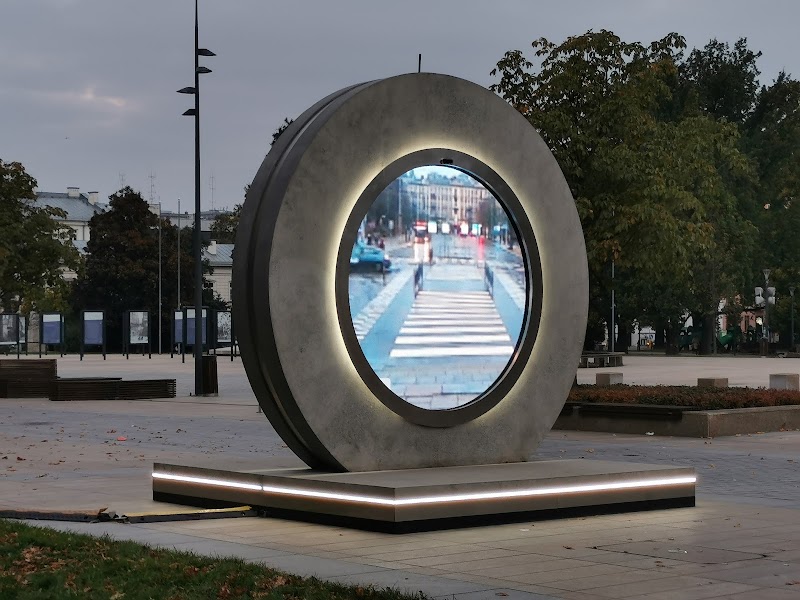
Address: Krakowskie Przedmieście 48, 20-400 Lublin, Poland
- Litewski Square
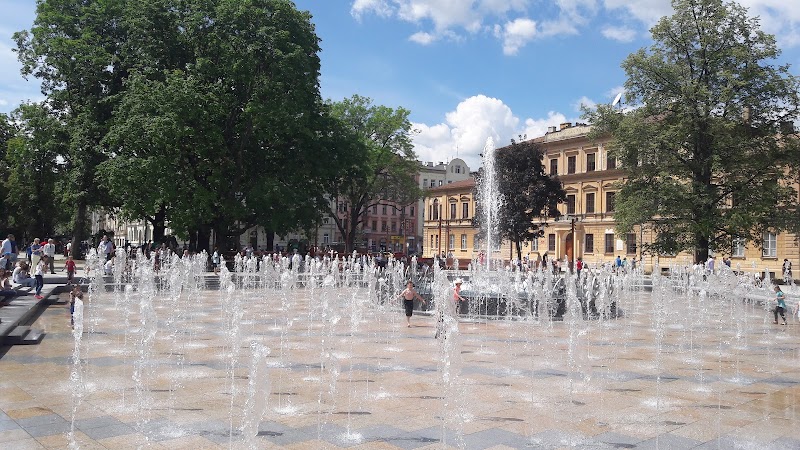
Litewski Square took shape in the sixteenth century as Lublin's principal ceremonial space, and for centuries it has been the stage for events of national consequence — most memorably the celebrations following the signing of the Union of Lublin in 1569, which brought into being the Polish-Lithuanian Commonwealth, one of the most ambitious experiments in parliamentary governance in early modern European history. The square is a long rectangle flanked by buildings from strikingly different eras: neo-Gothic, Neoclassical, and Modernist facades create an architectural timeline of the city's development across four centuries. At its centre stands the Monument of the Union of Lublin, erected in 1826, alongside a fountain equipped with a colourful illumination system that draws evening visitors year-round. The square functions as the true civic heart of the city, hosting political gatherings, seasonal markets, state commemorations, and summer festivals with equal ease. A major renovation completed in the early twenty-first century gave it a granite pavement and contemporary landscaping while carefully preserving the historic monuments at its core. Tickets & info: Free entry, open 24 hours. Numerous restaurants and cafés on the surrounding streets. Tourist information point nearby. Accessible by tram line 1 (Centrum stop) or along Krakowskie Przedmieście. Link: official website
Address: plac Litewski, 20-080 Lublin, Poland
- Kardamon Restaurant
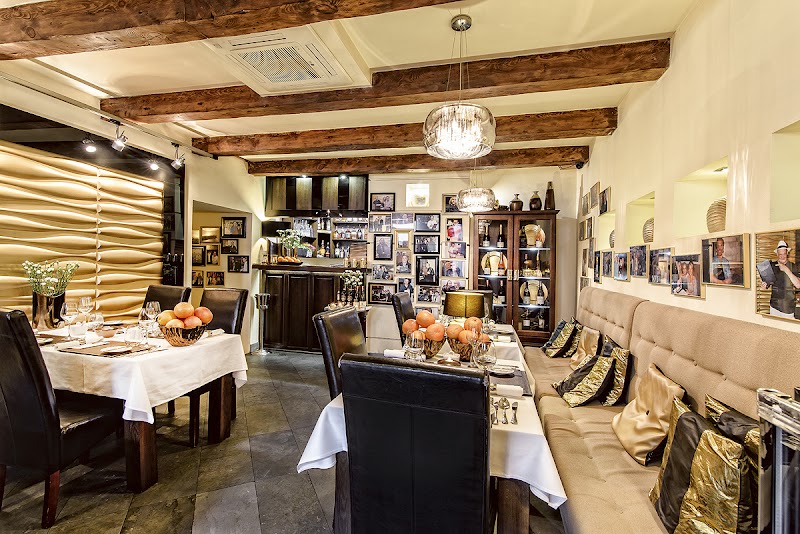
Kardamon takes its name seriously — the restaurant's kitchen weaves aromatic spices into classic Polish cooking with a gentle Mediterranean touch, and the result is food that feels both familiar and quietly revelatory. The standout is a velvety pumpkin and cardamom cream soup, served with toasted seeds and a swirl of cream: understated in presentation, but deeply satisfying in every spoonful. The interior wraps you in warmth from the moment you walk in — dark wood furnishings, soft amber lighting, and considered décor give the space an unhurried, intimate character. This is a neighbourhood favourite among Lublin locals who appreciate cooking built around seasonal produce and honest flavour rather than flashy presentation. Must-try:Pumpkin and cardamom cream soupDuck breast with cherry sauce and buckwheatDaily homemade dessert — always a pleasant surprisePractical info: Mid-range prices (approx. PLN 45–80 for a main), typically open 12:00–22:00, reservations recommended on weekends, details at website
Address: Krakowskie Przedmieście 41, 20-002 Lublin, Poland
- Saxon Garden Lublin
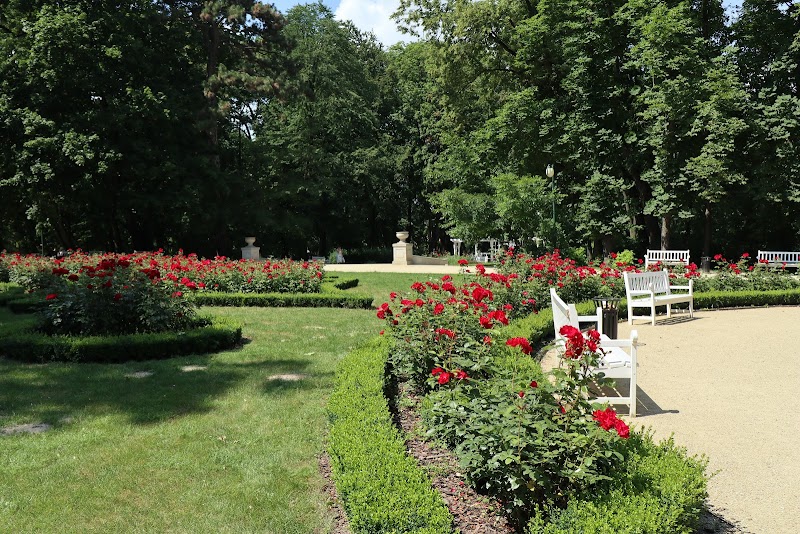
The Saxon Garden in Lublin is one of the earliest public parks in Poland — laid out in the eighteenth century on the grounds of the Saxon Palace and opened to townsfolk at a time when most European formal gardens remained the exclusive preserve of the nobility. The park today covers around 10 hectares in the very heart of Lublin, immediately adjacent to Litewski Square, and blends a formal French-style layout in its older sections with the more naturalistic English landscape style introduced during nineteenth-century redesigns. Chestnut- and linden-lined promenades lead to fountains, benches, and outdoor chess tables, making the garden a living part of everyday city life rather than a merely decorative green space. In summer the park hosts free open-air concerts and cultural events organised by the city, drawing locals and visitors alike into its shaded pathways. Few people notice that scattered throughout the park are trees officially designated as natural monuments, some of them over 200 years old — living witnesses to the garden's long history and among the oldest living things in the city centre. Good to know: Open 24 hours, free entry. Nearest parking at Litewski Square. Accessible by tram or bus to the Centrum stop. Link: official website
Address: aleje Racławickie 14, 20-000 Lublin, Poland
- Mandragora Restaurant
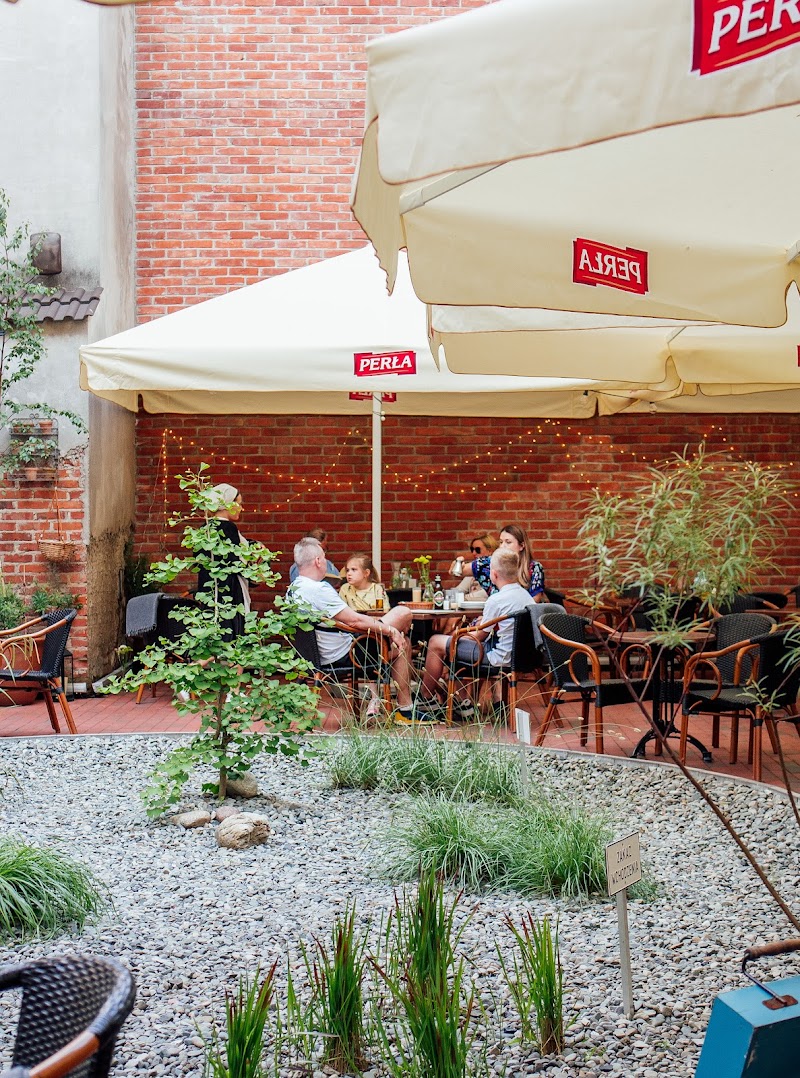
Mandragora is most itself in the evening, when the vaulted stone ceilings and copper lanterns of its Old Town setting conspire to make dinner feel like something between a meal and a ceremony — the Jewish and Central European culinary traditions the restaurant draws from are given space to breathe, and the result is an atmosphere that manages to feel both intimate and quietly celebratory. You must try:Goose liver with caramelised onion and challah — a dish deeply rooted in Lublin's Jewish culinary heritage, plated with a lightness of touch that honours rather than obscures its originsCholent, the slow-braised Sabbath stew of beans, potato, and beef, here given a contemporary treatment that preserves its soul while refining its presentationSeasonal specials built around what's currently available, often surprising in the way they pair local produce with Central European inspirationHours & reservations: Open daily approx. 12:00–22:00; reservations strongly advised, particularly in season and on weekends; mains 55–95 PLN; restaurant website
Address: Rynek 10, 20-112 Lublin, Poland
About this plan
Lublin – a royal city at the crossroads of two worldsLublin is one of the most underrated historic cities in Poland, which for centuries served as a meeting point of cultures, religions and nations. It was here that the Union of Lublin was signed in 1569, and where Christian townhouses of the Old Town stood side by side with the Jewish district of Podzamcze – a city the Jewish community called "the Jerusalem of the Kingdom of Poland". Walking through Lublin's streets, you step into history layer by layer: from Gothic cellars and Renaissance parapets, through Baroque churches, all the way to Grodzka Gate – a symbol of remembrance and reconciliation between two worlds. Lublin surprises with a richness that cannot be exhausted in a single day.Your guide to historic Lublin – clear, practical, stress-freeOur one-day Lublin sightseeing plan is a carefully designed route through the most important sites in a logical order – no unnecessary backtracking. Every attraction comes with an engaging description: you'll learn why Lublin was pivotal to the history of Central Europe, what secrets lie within the castle walls, and what mystery is hidden inside the chapel with Byzantine frescoes. The plan also includes tried-and-tested spots for coffee and the local cebularz lubelski flatbread. With a map and step-by-step navigation, you'll reach every point with ease.Who is this plan for? Discover the Lublin you won't find in guidebooksWe created this plan for travellers who aren't satisfied with surface-level sightseeing. If you want to understand why Lublin drew kings and scholars from across Europe, and why it is increasingly mentioned in the same breath as Kraków or Gdańsk – this is the plan for you. Perfect for those visiting Lublin for the first time, as well as for those who want to explore the city on a deeper level. Our historic Lublin plan will turn a single day into an experience you'll carry with you long after you've headed home.