This one-day tour takes you past iconic monuments, atmospheric streets, and restaurants offering classic cuisine. This carefully planned Vienna itinerary allows you to see a lot in a short time. Get ready for an intense day!
Plan details
- City: wiedeń
- Number of days: 1
- Number of places: 31
Itinerary
Day 1
- Belweder w Wiedniu
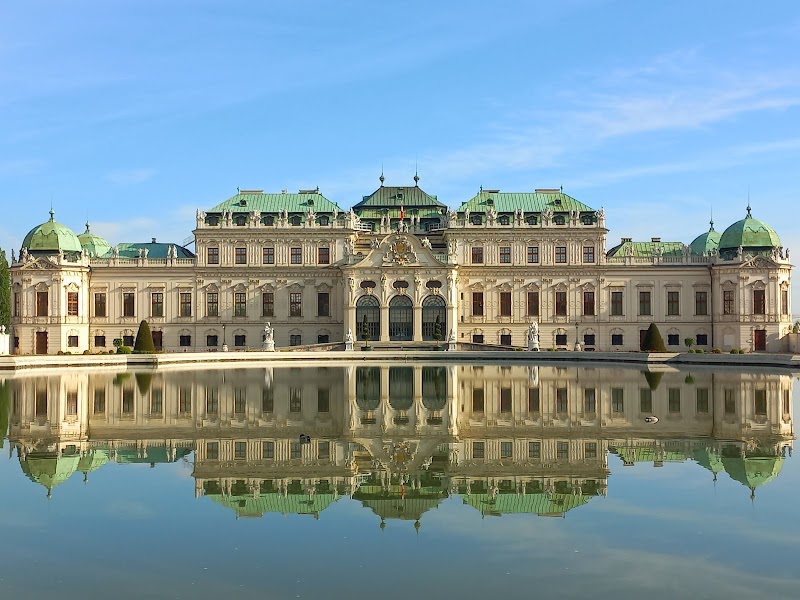
1030 Wiedeń, Austria
Address: 1030 Vienna, Austria
- Pałac Schwarzenberg
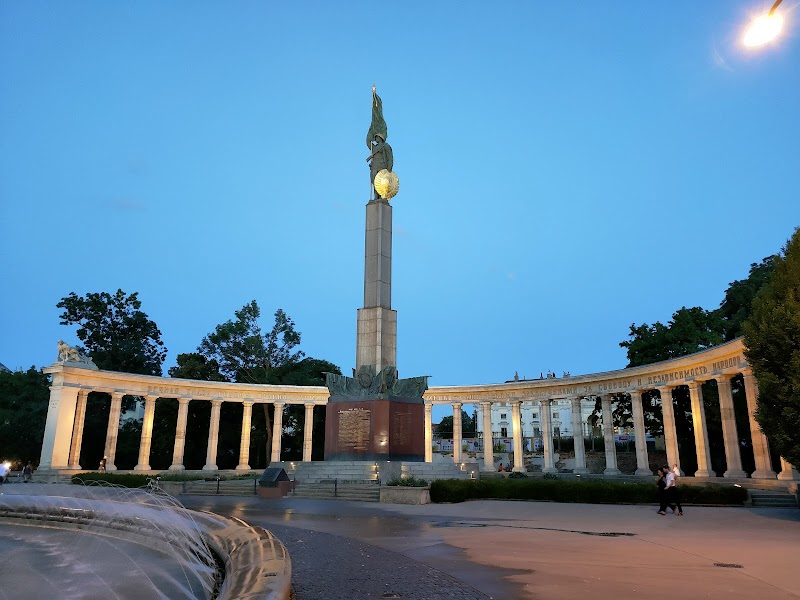
Prinz-Eugen-Straße 5, 1030 Wien, Austria
Address: Prinz-Eugen-Straße 5, 1030 Wien, Austria
- Kościół św. Karola w Wiedniu
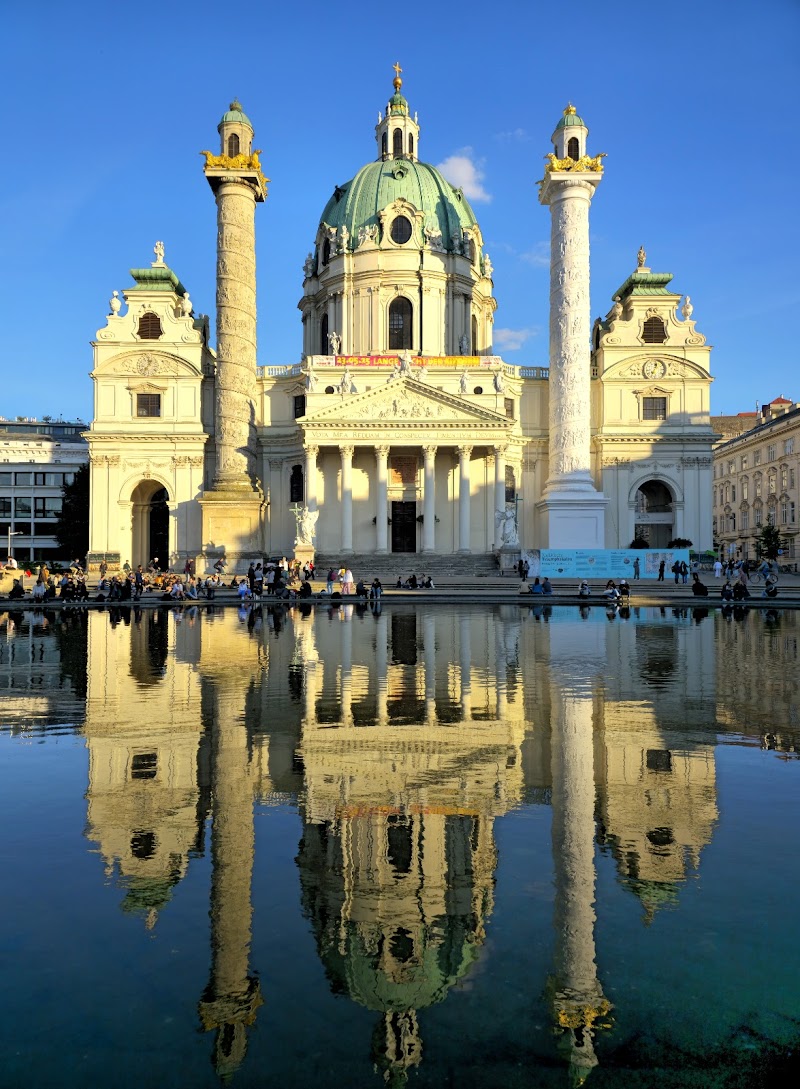
This is one of the most beautiful Baroque churches in Vienna, located on Karlsplatz. It was built in the 18th century as a votive offering after the end of the plague and dedicated to St. Charles Borromeo, the patron saint of plague fighters. The church stands out for its monumental dome and two columns inspired by Trajan's Column in Rome, decorated with reliefs. It's worth entering the interior to admire the frescoes on the dome, and also to take the panoramic elevator up to the vault, where you can admire the architectural details up close. A fee applies for a tour of the interior; tickets can be purchased online.
Address: Karlskirche, Karlsplatz 10, 1040 Wien, Austria
- Schwarzenbergplatz
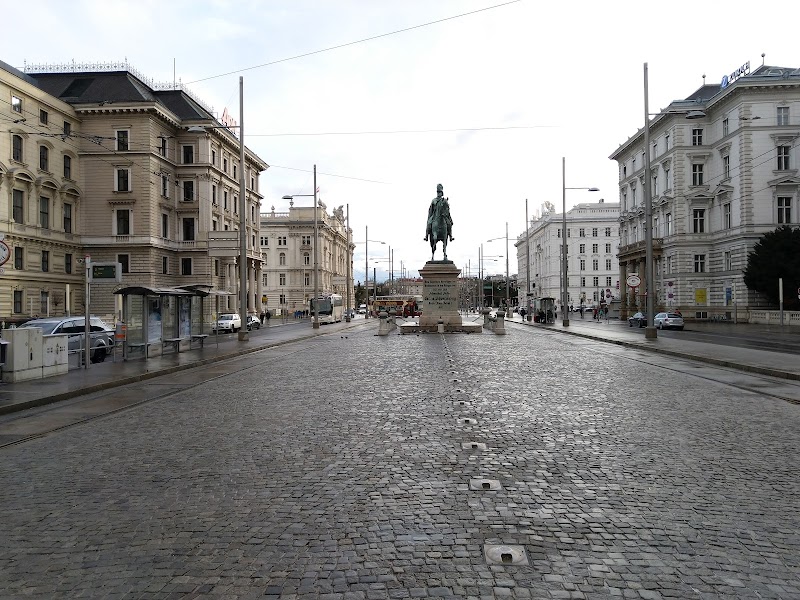
1040 Wiedeń, Austria
Address: 1040 Vienna, Austria
- Würstelstand - Zum scharfen René
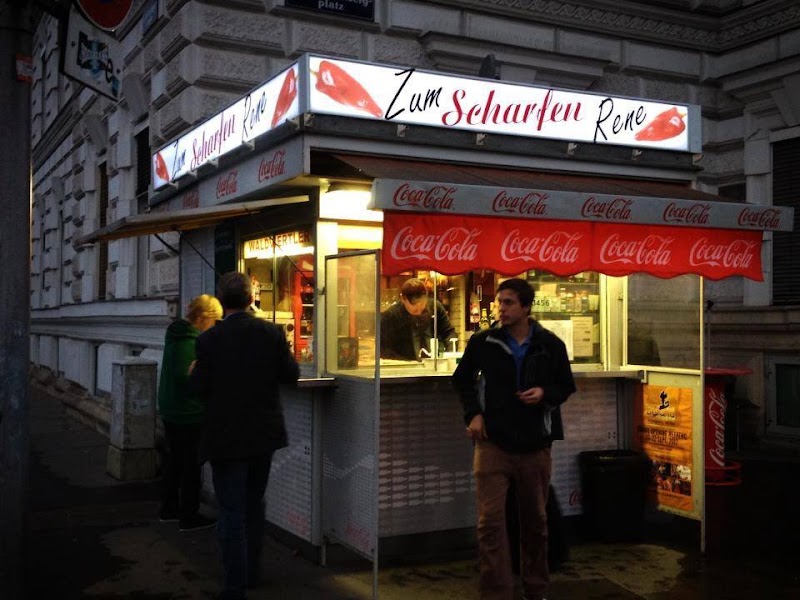
Address: Schwarzenbergpl. 15, 1010 Wien, Austria
- Vienna Music Association
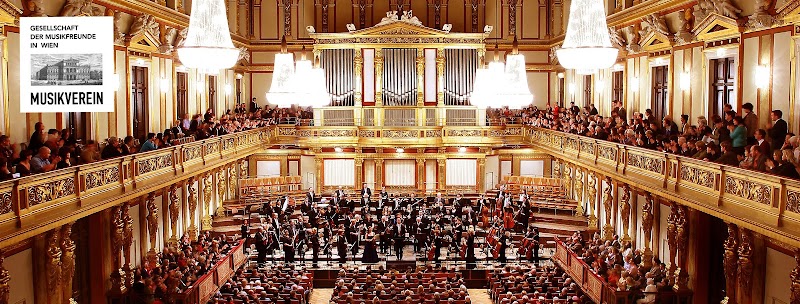
Music club pl. 1, 1010 Vienna, Austria
Address: Musikvereinspl. 1, 1010 Wien, Austria
- Opera Wiedeńska
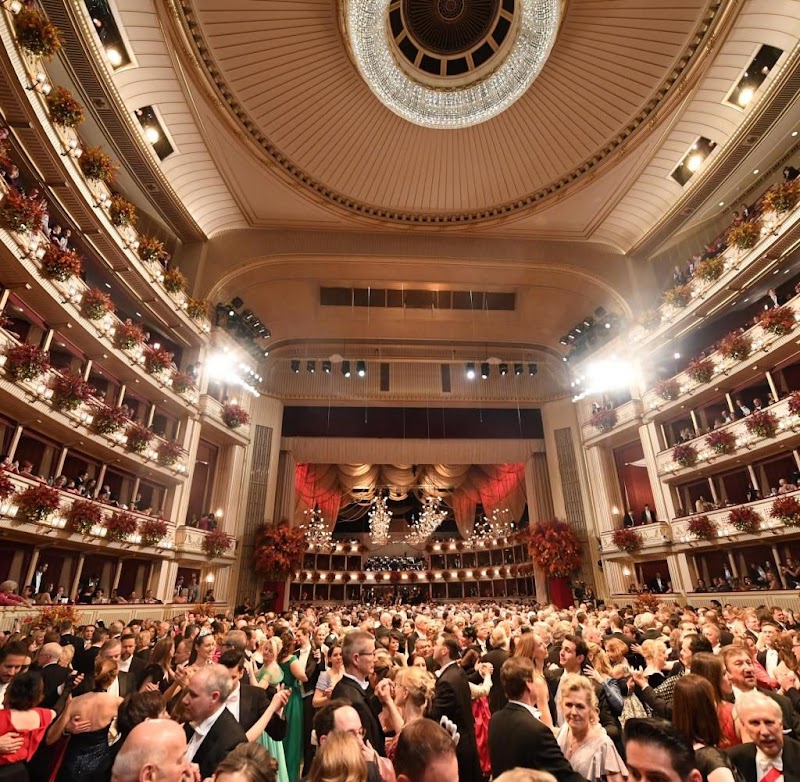
This is one of the most famous opera houses in the world. Built in the 19th century in the Italian Renaissance style, the building seats approximately 1,700. The opera house is renowned for staging classical works by Mozart, Verdi, Puccini, and Wagner, as well as hosting prestigious concerts and balls. It's worth taking a guided tour to see the main hall, foyer, and richly decorated interiors. Tickets for tours and performances are available on this website.
Address: Opernring 2, 1010 Wien, Austria
- Café Mozart
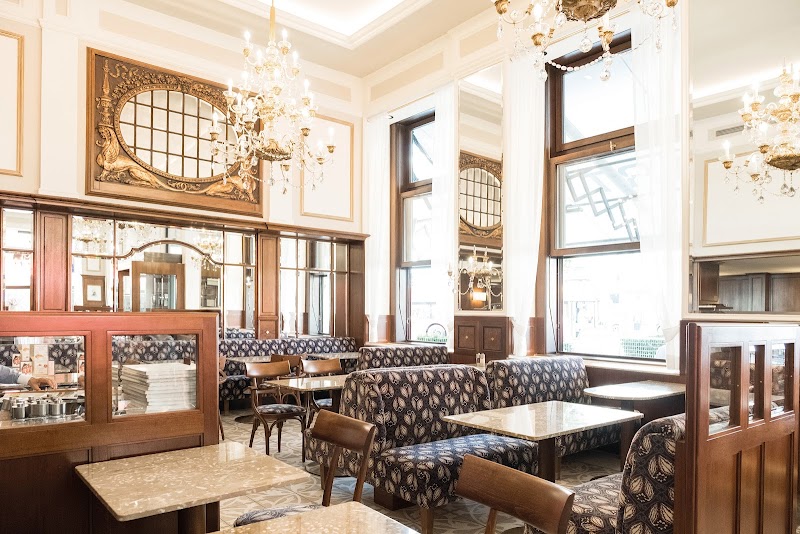
This is one of the oldest and most classic Viennese cafés. It's famous for its elegant, historic Art Nouveau interior and traditional desserts like Apfelstrudel. Be sure to try the "Melange" coffee, the local version of a cappuccino. It's the perfect place to experience the atmosphere of old Vienna.
Address: Albertinapl. 2, 1010 Wien, Austria
- Bitzinger
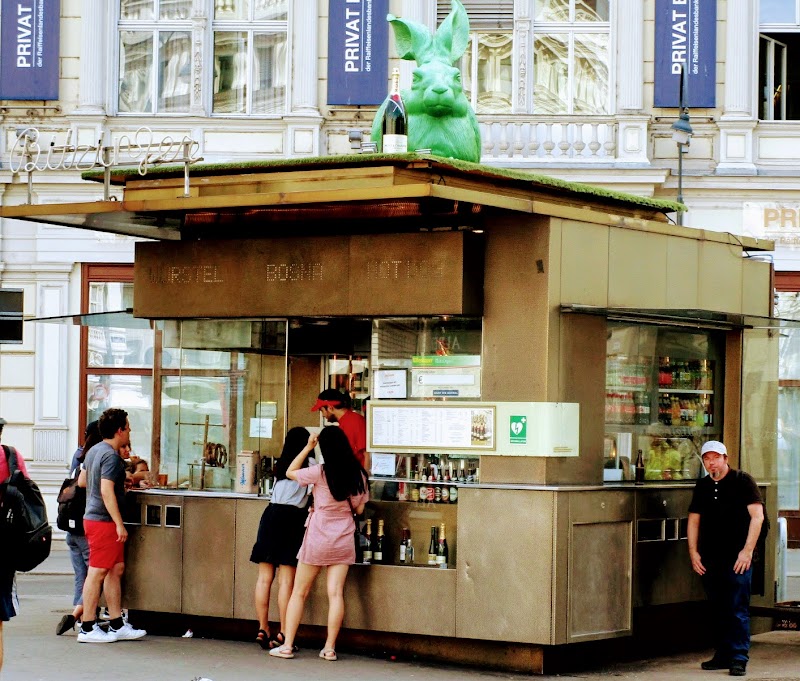
This sausage stand serves classic frankfurters, bratwursts, the famous Käsekrainer (sausage with cheese), Bosna, and other local specialties. Since 2024, Viennese "Würstelstände" have been on UNESCO's list of intangible cultural heritage.
Address: Albertinapl. 1, 1010 Wien, Austria
- Albertina
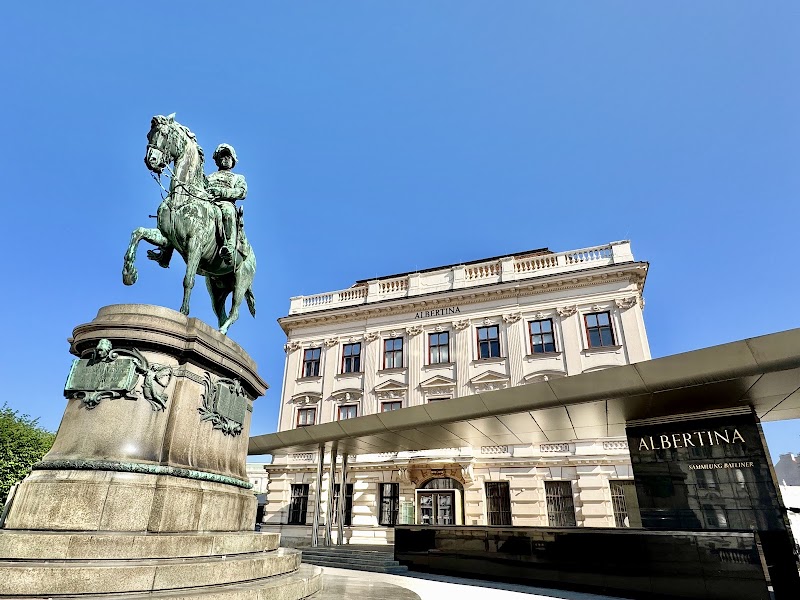
Albertinapl. 1, 1010 Wien, Austria
Address: Albertinapl. 1, 1010 Wien, Austria
- Burggarten
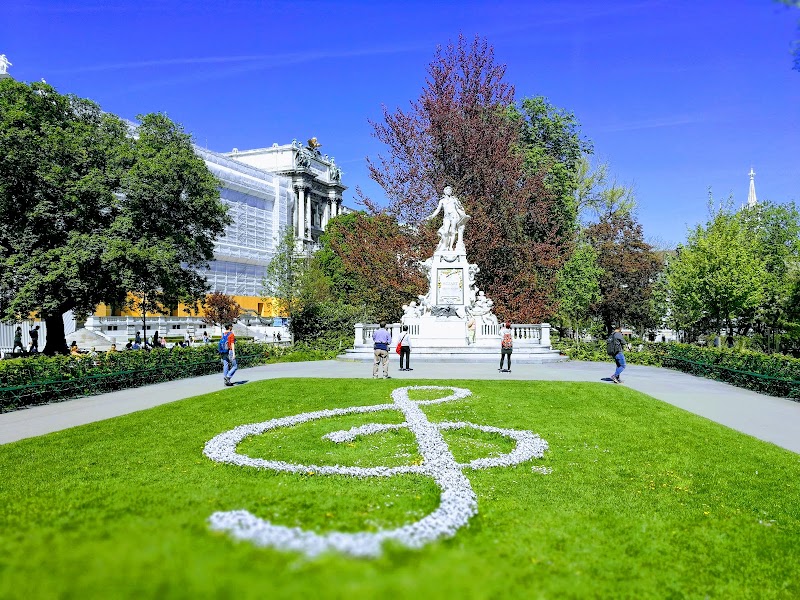
The Burggarten, a former imperial garden founded in 1818, is a green oasis right next to the Hofburg. Here you'll find the Mozart monument and an elegant palm house with a café.
Address: Josefsplatz 1, 1010 Wien, Austria
- Hofburg
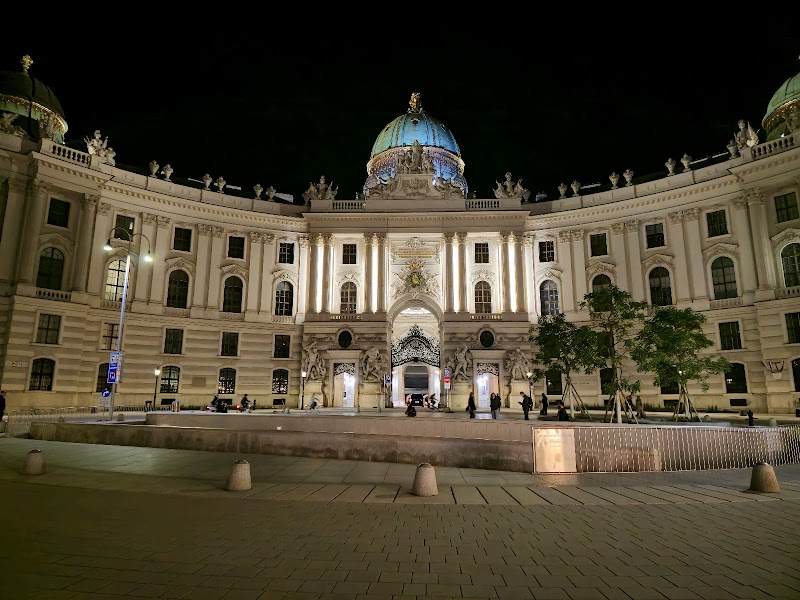
This monumental palace complex was the residence of the Habsburgs for centuries. Currently, it houses the seat of the President of Austria, several museums (including the Sisi Museum and Imperial Apartments), and the National Library. The palace combines various architectural styles, from Gothic to Baroque and Classicism. It's worth exploring the imperial apartments, learning about the history of Empress Sisi, and seeing the impressive armory and treasury.
Address: 1010 Vienna, Austria
- Plac Marii Teresy
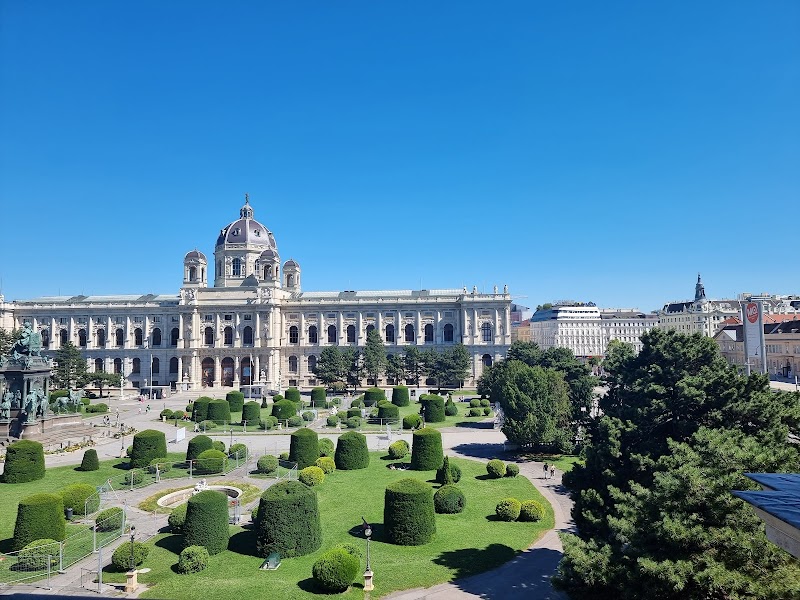
This representative square in the center of Vienna, nestled between two major museums – the Kunsthistorisches Museum and the Natural History Museum. The square is named after Empress Maria Theresa, and its center features an impressive monument to her from the late 19th century. The square is a popular place for strolls, hosting cultural events, concerts, and markets. The fountains, sculptures, and elegant architecture of the surrounding buildings are worth noting.
Address: Maria-Theresien-Platz, 1010 Wien, Austria
- Budynek parlamentu w Wiedniu
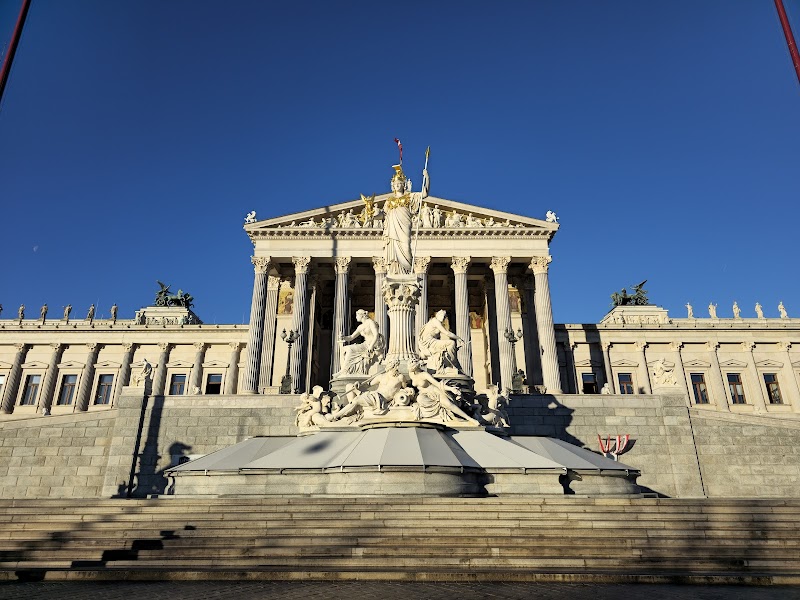
An Art Nouveau-Classicist symbol of democracy and an architectural gem of Vienna, the building was built between 1874 and 1883, designed by Theophil Hansen. After a thorough renovation, it reopened to the public in 2023. You can join a free guided tour (in English or German). More information about opening hours and reservations can be found on the official website.
Address: Dr. Karl Renner-Ring 3, 1010 Wien, Austria
- Volksgarten
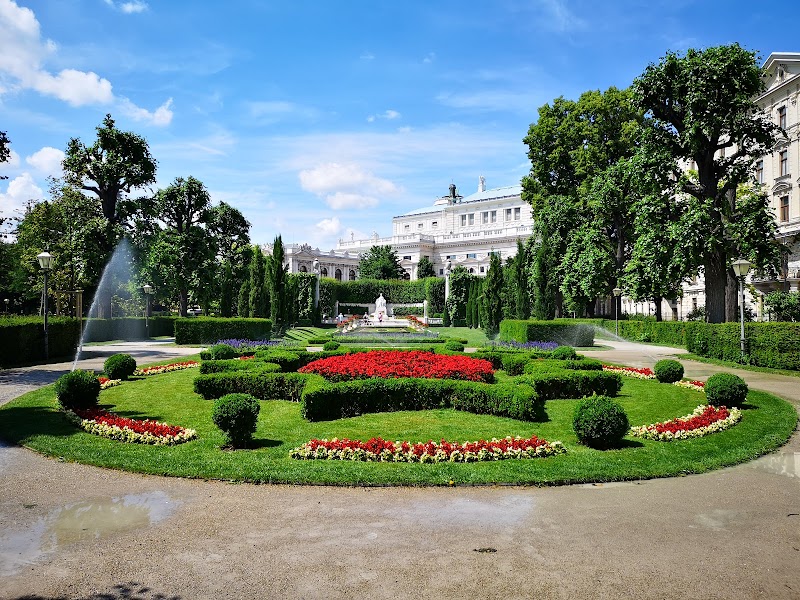
This park in central Vienna is famous for its beautiful rose gardens, fountains, classical sculptures, and the monument to Empress Elisabeth (Sisi). The park was created in the 19th century on the site of the former city walls and is a popular spot for walks, relaxation, and photo opportunities. Concerts and cultural events also take place here during the summer season.
Address: 1010 Vienna, Austria
- Mölker Steig
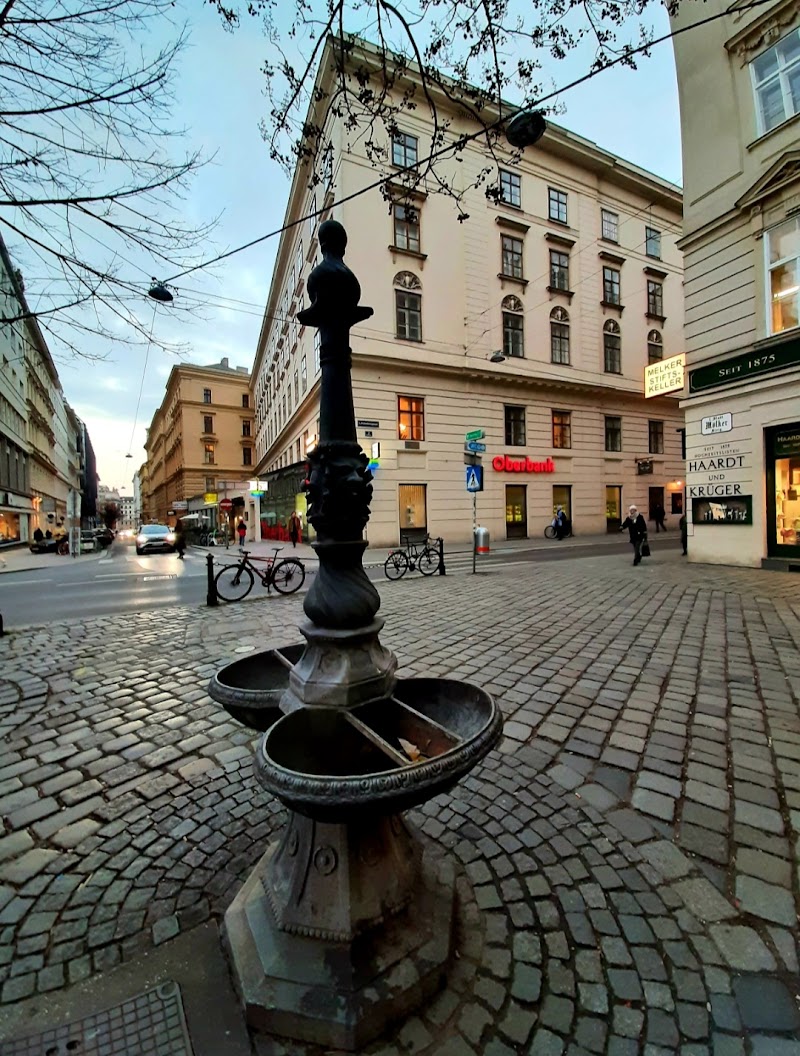
This small street is located near Stephansplatz and St. Stephen's Cathedral. It is known for its narrow architecture and 17th- and 18th-century townhouses, which give it the character of a typical Viennese alleyway. Historically, it was the home of the city's bourgeoisie and artisans. A stroll here allows you to experience the authentic atmosphere of old Vienna and discover architectural details that are easily overlooked on the main thoroughfares.
Address: Mölker Steig, 1010 Wien, Austria
- Teinfaltstraße
The street retains its 19th- and 20th-century architecture, and a stroll along it allows you to experience the atmosphere of the Viennese city center, with views of elegant townhouses, shops, and cafés. It's a typical example of the urban street layout in the heart of the Innere Stadt (Inner City), perfect for a leisurely stroll away from the main tourist arteries.
Address: Teinfaltstraße, 1010 Wien, Austria
- Kościół Szkocki w Wiedniu
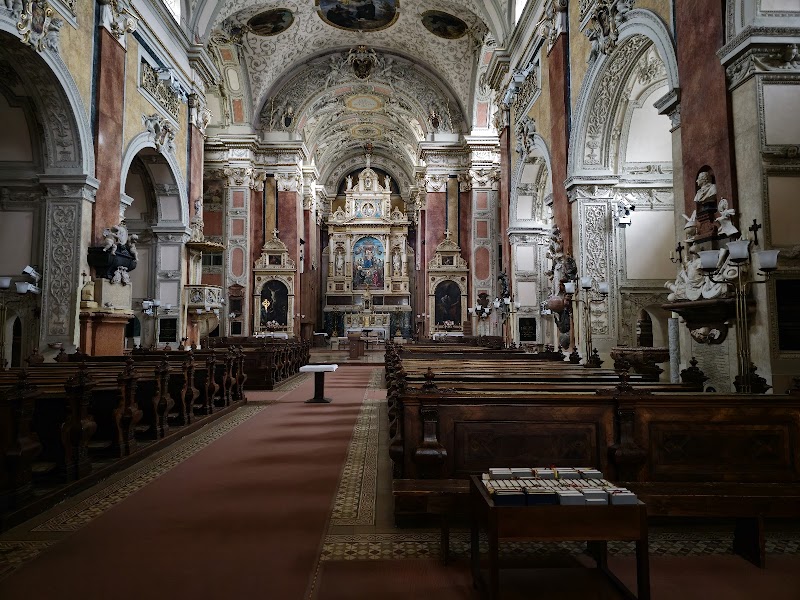
It is one of the oldest churches in the city, founded in the 11th century by Irish (Scottish) monks. Its current appearance is primarily Baroque and Neo-Gothic, with a richly decorated interior and impressive frescoes. The church is known for its historic altar and organ, which is used for concerts.
Address: Freyung 6, 1010 Wien, Austria
- Café Central
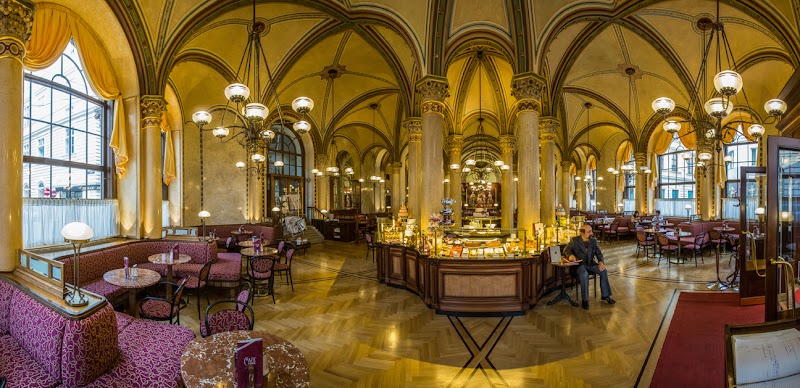
Café Central, operating since 1876 in the Palais Ferstel, is Vienna's most famous literary café, once frequented by Freud and Zweig. Today, it attracts visitors with its strudel and elegant interior.
Address: Herrengasse 14, 1010 Wien, Austria
- Herrengasse
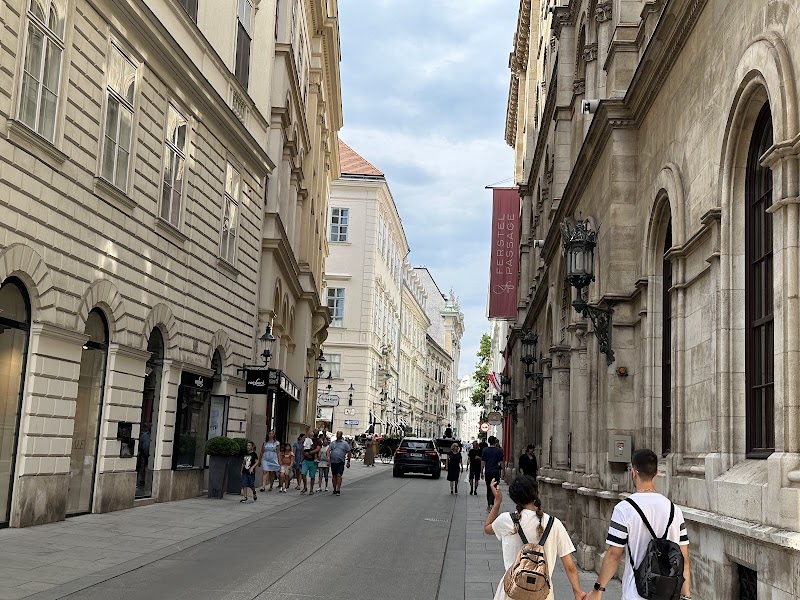
This is one of the most important and elegant streets in central Vienna. Historic palaces, luxury shops, offices, and art galleries line the streets. The street holds historical significance – it was once home to the Viennese aristocracy, hence its name ("Street of Gentlemen"). A stroll along Herrengasse offers stunning views of Baroque and Neoclassical architecture.
Address: Herrengasse, 1010 Wien, Austria
- Minoritenplatz
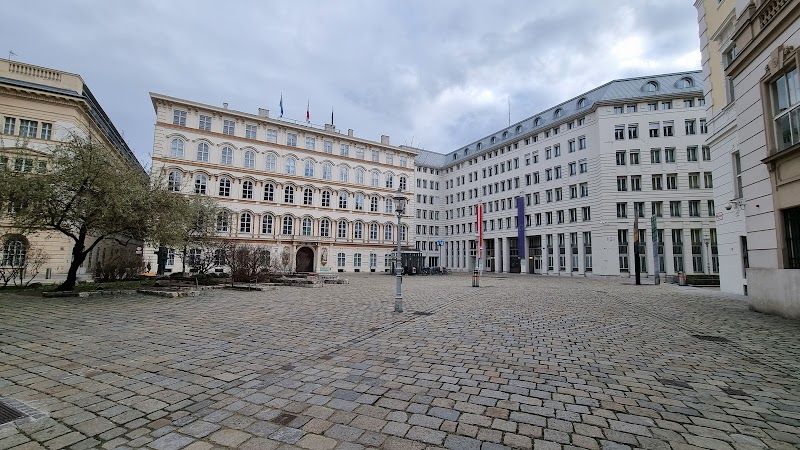
This square in central Vienna is best known for its Minoritenkirche, a Gothic church belonging to the Franciscan order. The church's architecture and the distinctive details of the facades of the buildings surrounding the square are worth noting.
Address: Minoritenplatz, 1010 Wien, Austria
- Wiener Minoritenkirche
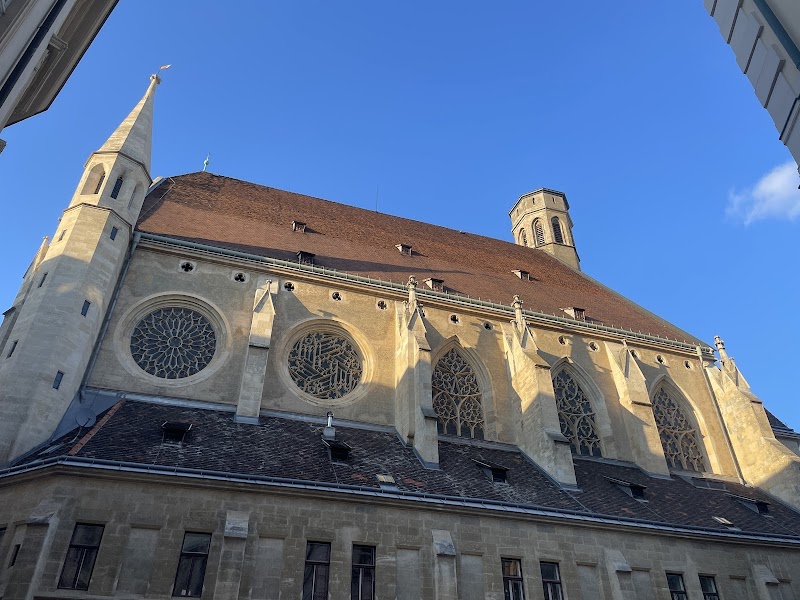
This Gothic church was built in the 13th century by the Franciscan order. Its current appearance combines Gothic and Renaissance elements. It is distinguished by its narrow tower, slender chancel, and beautiful stained glass windows. The church still serves as a religious site and hosts classical music concerts.
Address: Minoritenplatz 2A, 1010 Wien, Austria
- Michaelerplatz
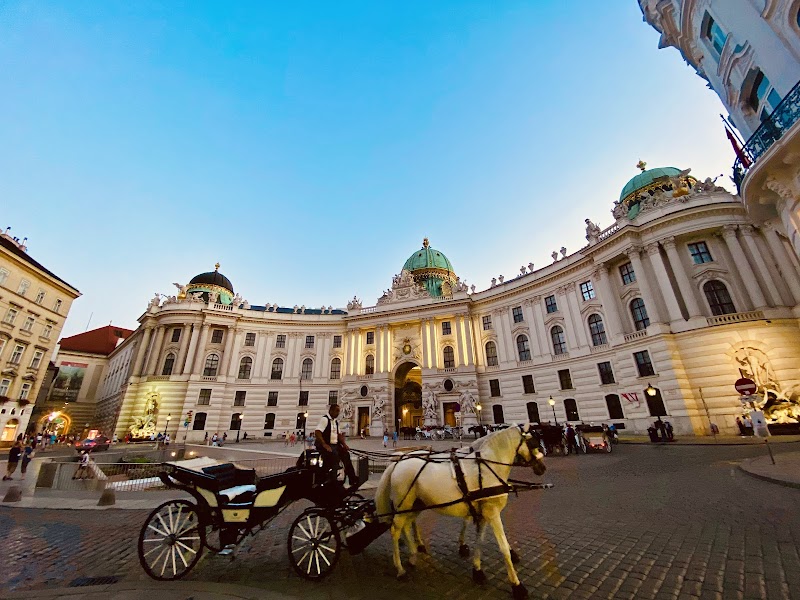
This historic square in the center of Vienna, right at the entrance to the Hofburg, features traces of medieval architecture and remains of the Roman Vindobona. Elegant buildings surround the square, including Michaeler Palace (Michaelerhof) and the impressive façade of the Hofburg.
Address: Michaelerplatz, 1010 Wien, Austria
- Plac Graben
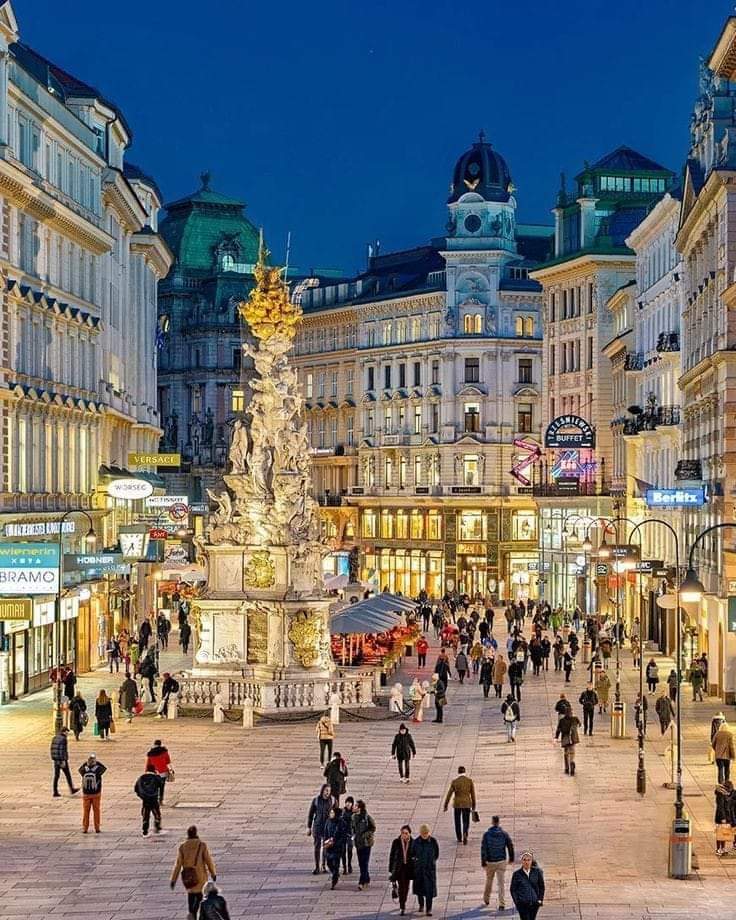
This is one of the most prestigious and historic streets in central Vienna. Although today it's a prestigious shopping street, its history dates back to the Middle Ages, when it was part of the city walls. The square features the 18th-century Plague Column (Pestsäule), commemorating the victims of the plague of 1679. Elegant townhouses, luxury shops, cafés, and restaurants surround the Graben.
Address: Graben, 1010 Wien, Austria
- Katedra św. Szczepana w Wiedniu
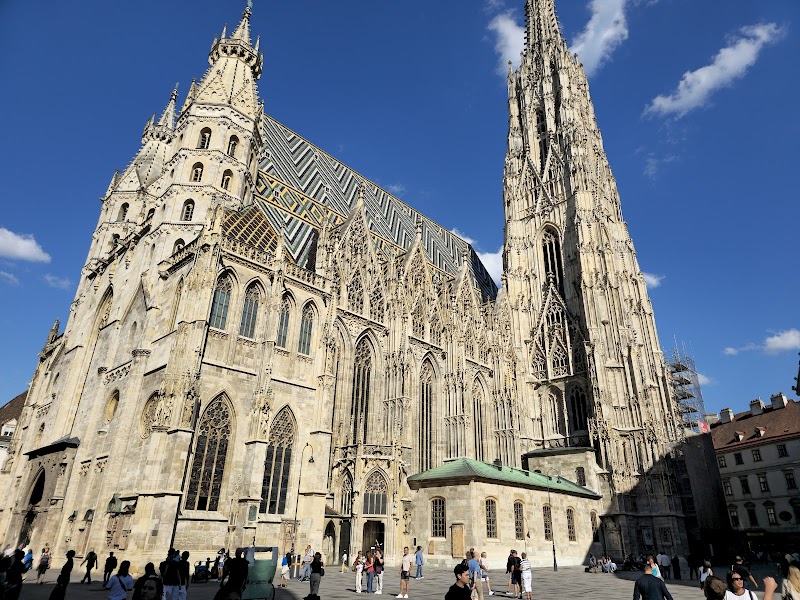
St. Stephen's Cathedral is an iconic symbol of Vienna and one of the most important Gothic churches in Central Europe. It is famous for its distinctive, colorful mosaic roof and 136-meter-high south tower, which offers panoramic views of the city. It's worth climbing the tower or exploring the crypt, where the Habsburg tombs are located – a fee applies.
Address: Stephansplatz 3, 1010 Wien, Austria
- Schulhof
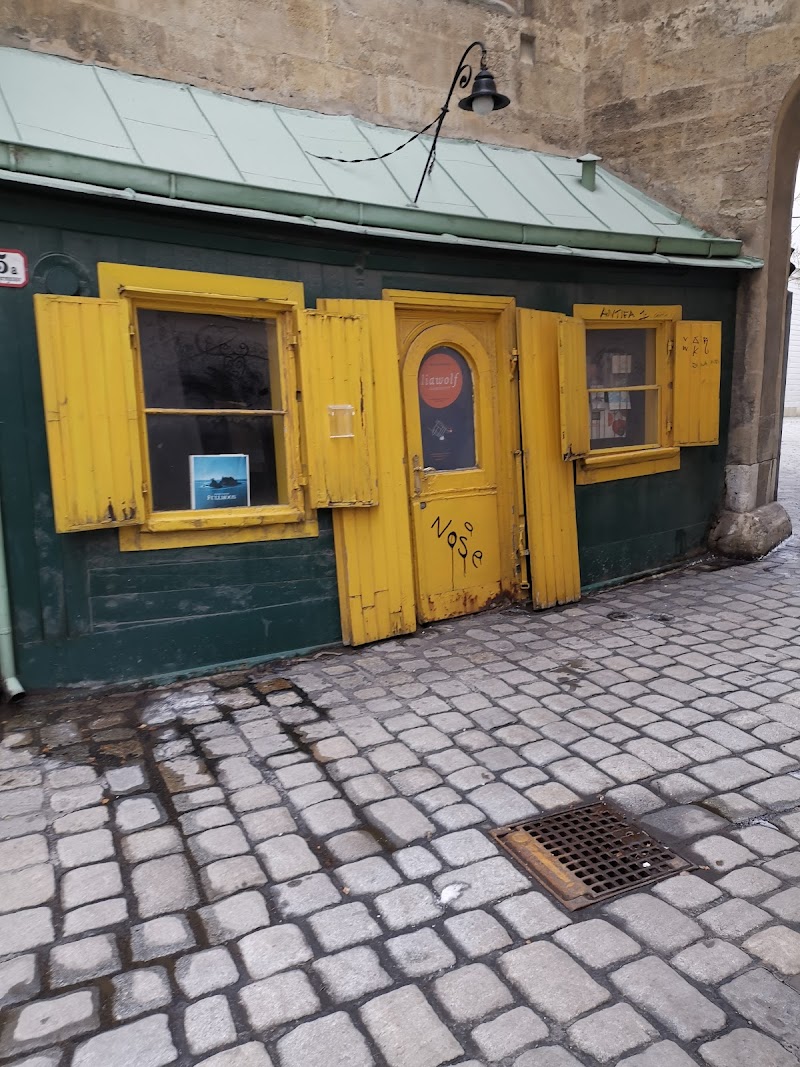
This small square near Judenplatz and the former Jewish quarter. Its name refers to the medieval Jewish school that once stood here. Surrounded by 17th- and 18th-century townhouses, the square has retained a peaceful, almost intimate feel.
Address: Schulhof, 1010 Wien, Austria
- Salvatorgasse
This street has retained a cozy, peaceful character, contrasting with the busier streets. The buildings date primarily from the 17th and 18th centuries, and a stroll offers a glimpse into Vienna's less touristy side.
Address: Salvatorgasse, 1010 Wien, Austria
- Kościół Maria am Gestade w Wiedniu
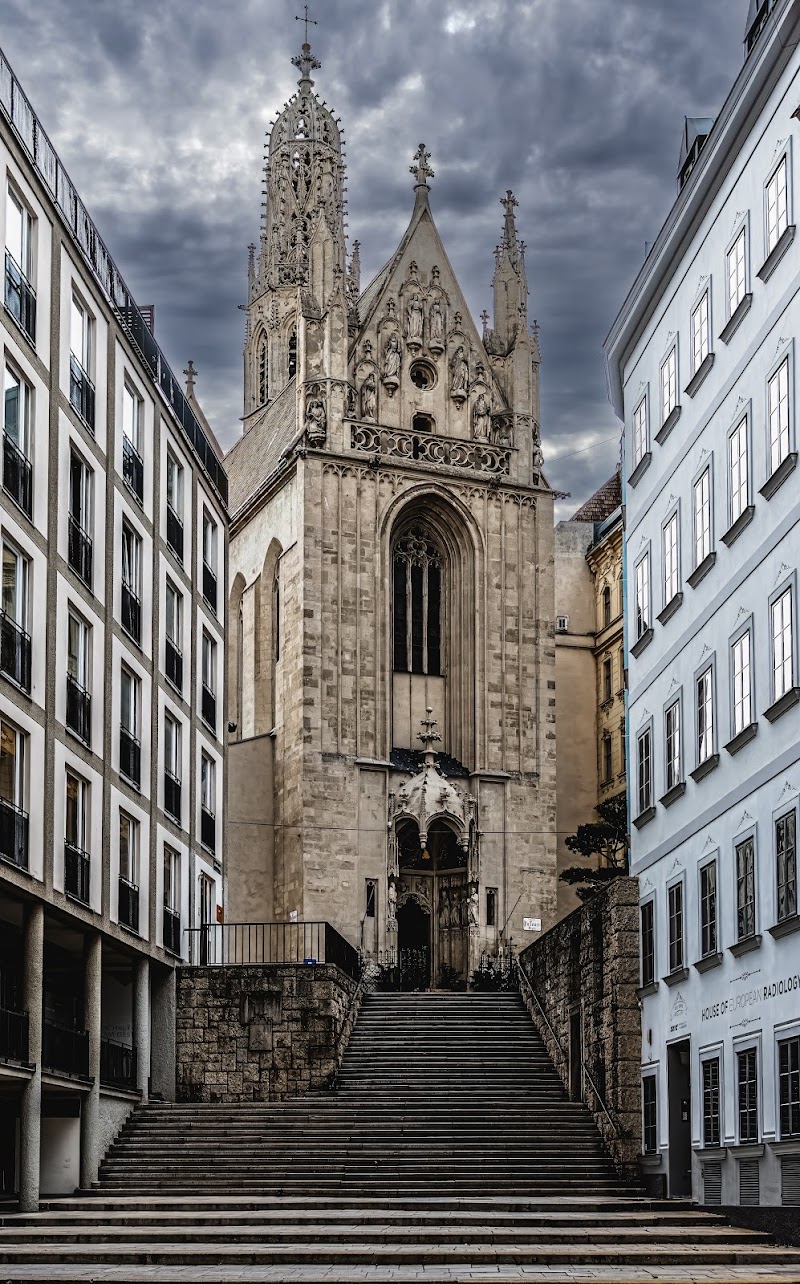
This is one of the oldest churches in Vienna. Its history dates back to the 14th century, and the current Gothic structure dates mainly from the 15th century. The church is renowned for its tall, slender tower and elegant architectural details, typical of Viennese Rhine Gothic. The interior is relatively modest, but it impresses with its stained glass windows and beautiful altar.
Address: Salvatorgasse 12, 1010 Wien, Austria
- Kościół Świętego Ruprechta
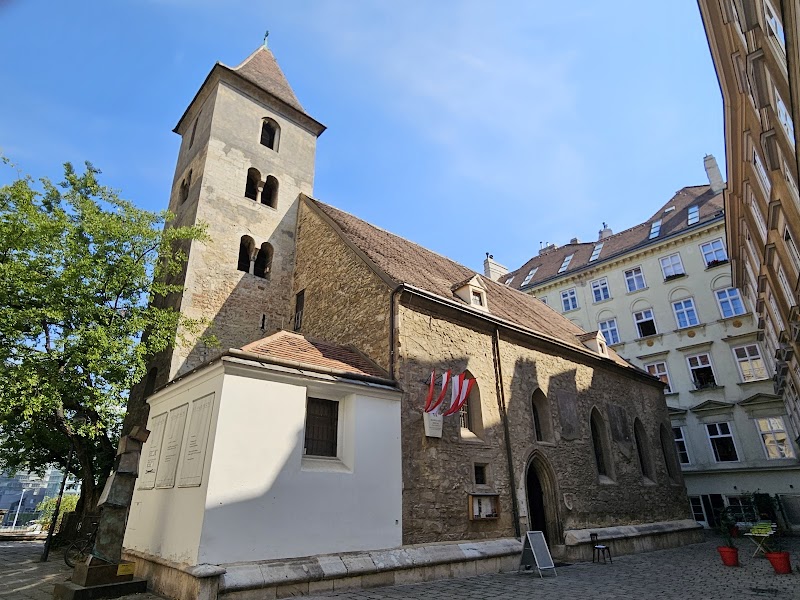
This is the oldest church in Vienna, dating back to the 10th century. The church is relatively small, with Romanesque and Gothic architectural elements. It is famous for its stone altar and crypt, where the graves of former Viennese residents can be seen.
Address: Ruprechtspl. 1, 1010 Wien, Austria
- Park miejski
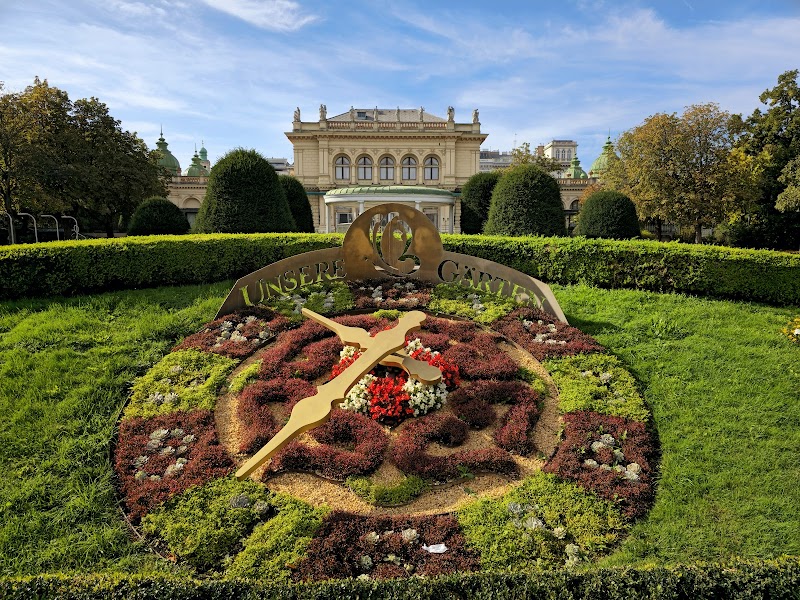
This is one of the most beautiful and popular parks in the city. Covering an area of approximately 65,000 m², it is famous for its statues of famous Viennese musicians, including Johann Strauss. It's worth strolling along the paths, admiring the fountains, ponds, and flower beds, and relaxing in one of the cafés. It's the perfect place to relax in the heart of the city.
Address: Parkring 1, 1010 Wien, Austria
- Gasthaus Pöschl
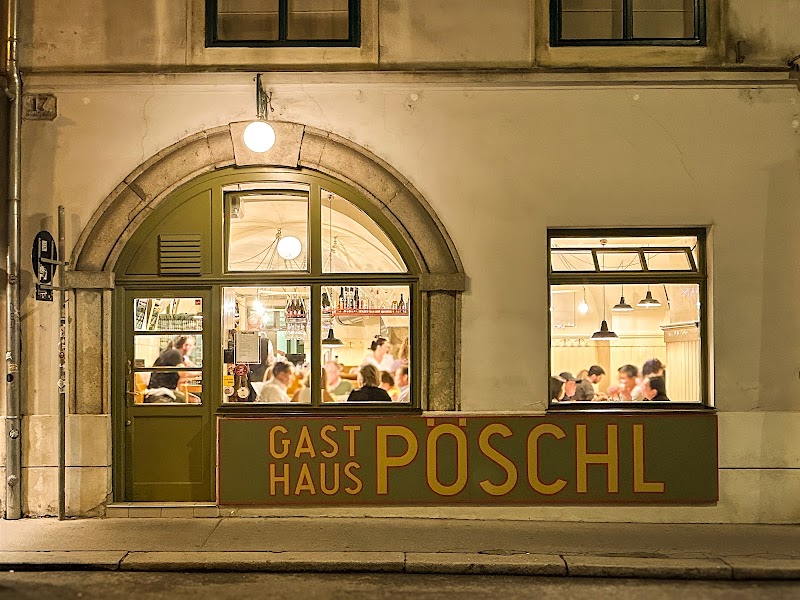
To tradycyjna wiedeńska gospoda, która słynie z klasycznych dań kuchni austriackie. Warto spróbować ich wiedeńskiego sznycla, gulaszu wołowego, a także deserów, takich jak apfelstrudel. Miejsce jest popularne zarówno wśród mieszkańców, jak i turystów
Address: Weihburggasse 17, 1010 Wien, Austria
About this plan
Vienna is a city where the history of the mighty Habsburg Empire blends seamlessly with a modern lifestyle and unparalleled sophistication. As the capital of classical music and European culture, it draws visitors with its monumental architecture, world-famous cafes serving Sachertorte, and the unique "fin de siècle" atmosphere. While strolling through Vienna's UNESCO-listed Old Town, you can feel the spirit of former emperors as you admire majestic palaces, Gothic cathedrals, and the grand Ringstraße boulevards. It is the ultimate destination for a short but unforgettable city break.Vienna's Top Attractions – Sightseeing Without the StressWondering what to see in Vienna in one day to truly capture its imperial splendor? Our ready-to-use Vienna sightseeing plan was designed to lead you through the city's highlights with ease. We have crafted the most efficient route, including perfect spots for a coffee break along the way. With our guide, you can be confident that you won't miss any of the Austrian capital's iconic symbols, allowing you to maximize every minute of your trip.Who is this Vienna guide for?You only have one day: Whether it’s a quick city break or a stopover on a longer journey, we help you squeeze 100% out of Vienna.You value convenience and concrete details: Instead of wasting time analyzing maps and browsing endless blogs, you get a proven sightseeing itinerary that leads you straight to the city’s key landmarks.You want "Vienna in a nutshell": From imperial residences to the most beautiful squares—this plan ensures you hit all the "must-see" Vienna attractions.You are traveling with family or friends and want to avoid the stress of navigating a large city on your own.