A weekend in Paris is the perfect way to experience the city's magic. Over two days, you'll see its greatest symbols—from the Eiffel Tower and the Louvre to its atmospheric streets and cafés. This itinerary is designed to maximize your time, avoid the chaos, and discover Paris at its best. The pre-made itinerary guides you step by step, blending classic style with the city's atmosphere.
Plan details
- City: Paris
- Number of days: 2
- Number of places: 32
Itinerary
Day 1
- Café LOUISE
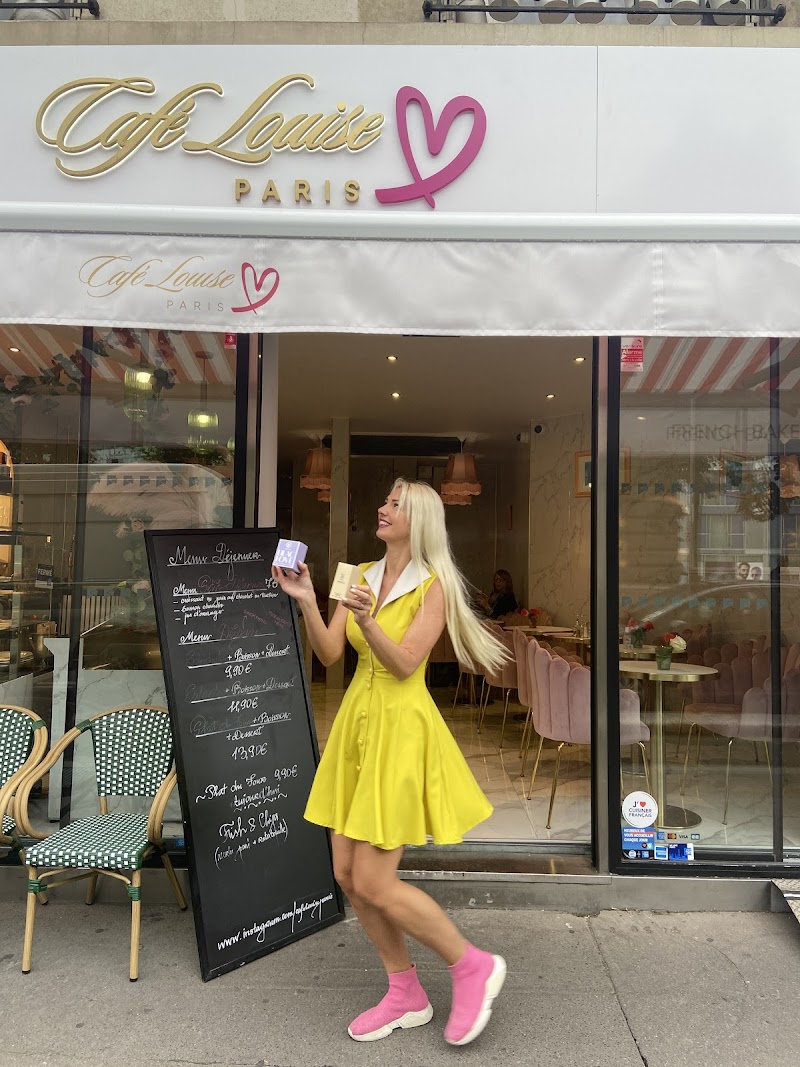
A charming café-bistro perfect for breakfast, brunch, coffee, or a light lunch. It serves fresh croissants, sandwiches, salads, and strong coffee in a friendly, relaxed atmosphere.
Address: 57 Bd de Grenelle, 75015 Paris, France
- Pont de Bir-Hakeim
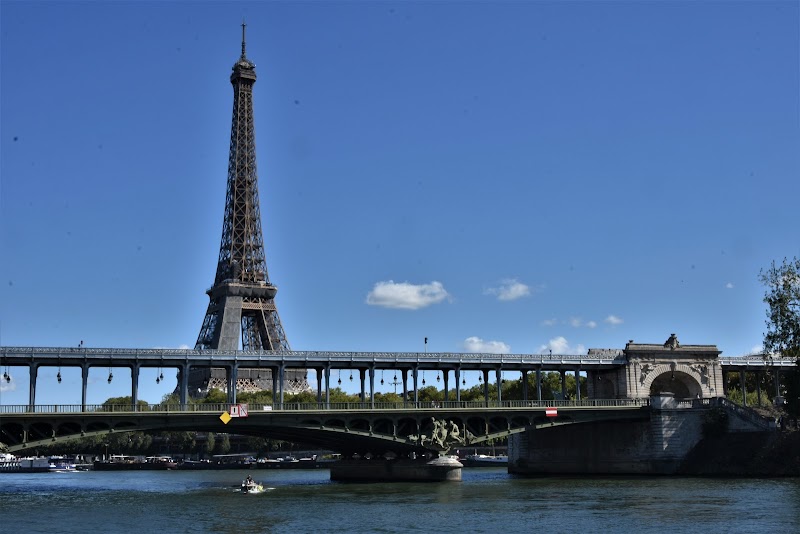
This iconic bridge is known for its dual structure – a lower level for road and pedestrian traffic, and an upper track for metro line 6, which spans the river. Built between 1903 and 1905, it was originally called the Pont de Passy; its current name commemorates the Battle of Bir Hakeim in 1942.One of the most photogenic locations in Paris, its symmetrical spans and views of the Eiffel Tower make the Pont de Bir-Hakeim a popular feature in films, advertisements, and photo shoots.
Address: Pont de Bir-Hakeim, 75015 Paris, France
- Luís de Camões Monument
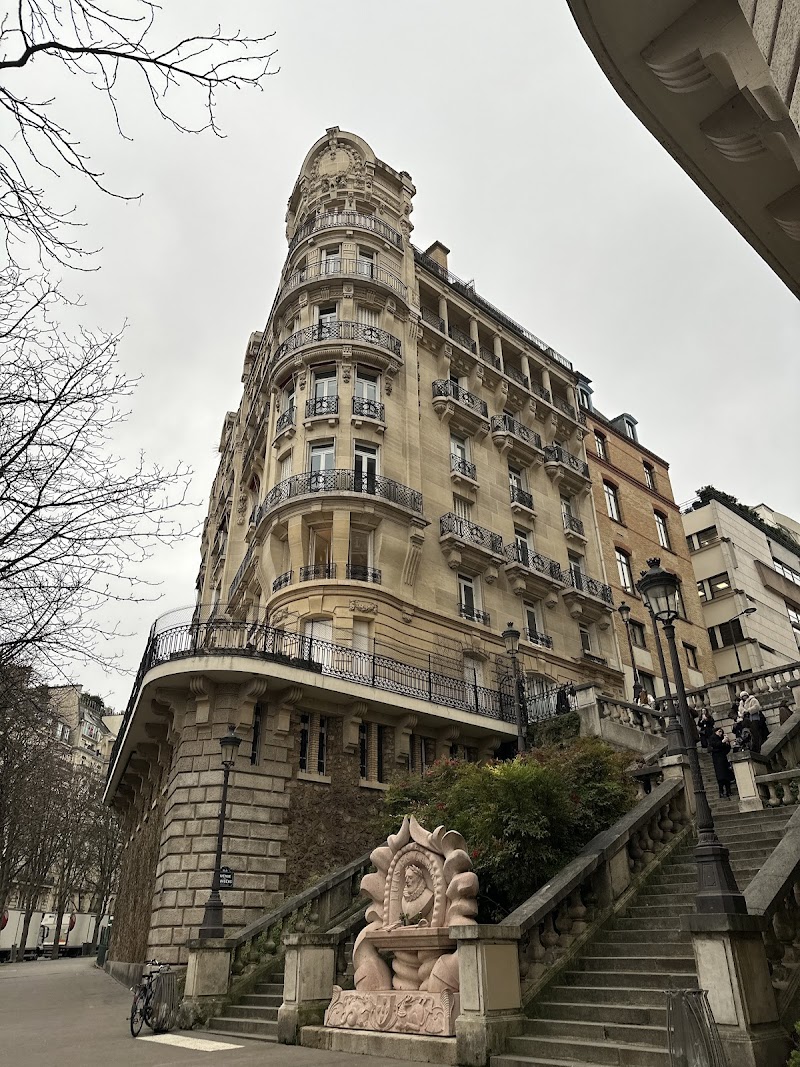
The short, picturesque Avenue de Camoëns is a true hidden gem for photography enthusiasts and city skyline enthusiasts. Just 115 meters long, it begins at Rue Benjamin-Franklin and ends with steps leading down to Boulevard Delessert. At its foot stands a monument to the Portuguese poet Luís de Camões – a pink marble monolith from 1987, a reminder of the literary legacy of the 16th century and his presence in Parisian urban spaces.It is these steps, combined with the perspective from the lower section of Avenue de Camoëns, that create a particularly compelling frame with the Eiffel Tower in the background.
Address: 2 Av. de Camoens, 75116 Paris, France
- Place du Trocadéro et du 11 Novembre
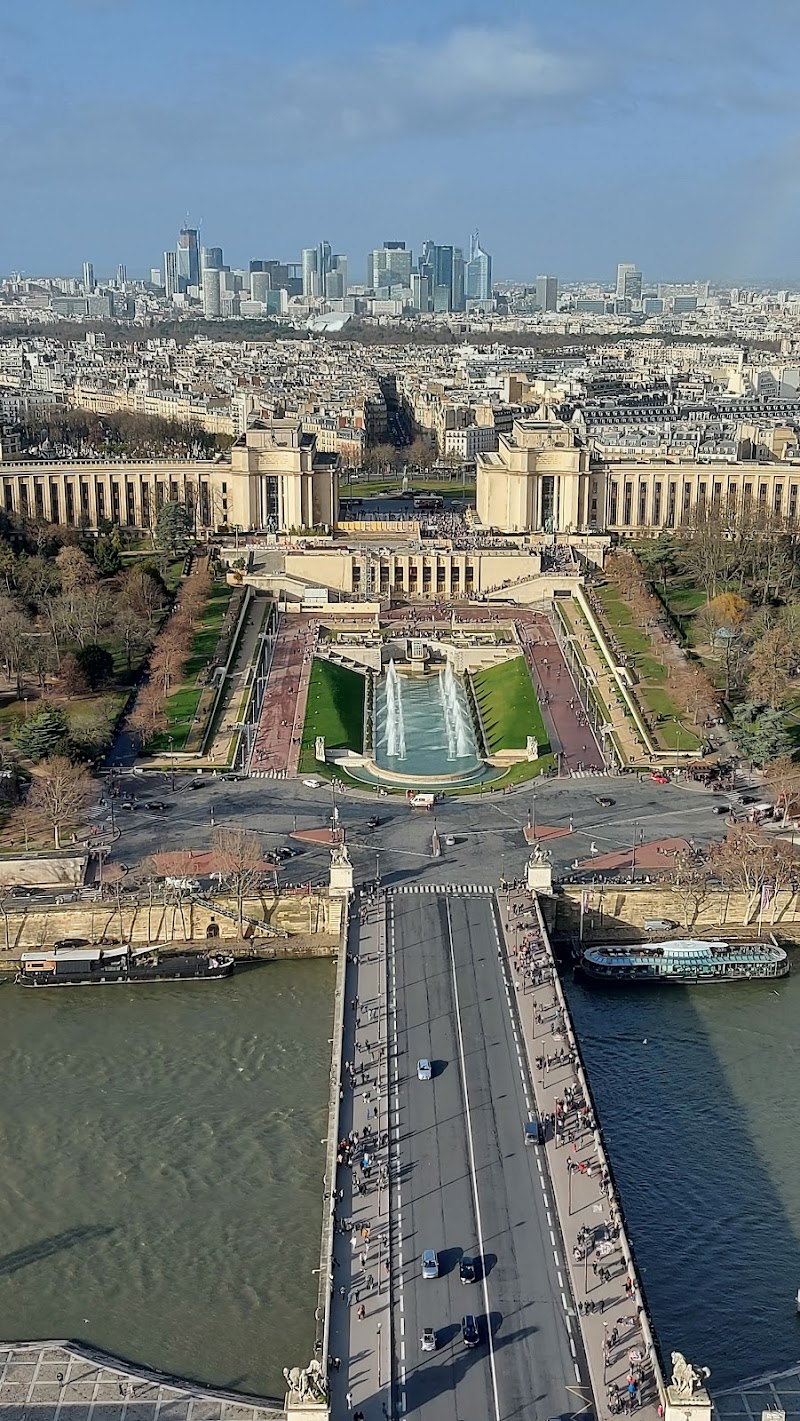
The expansive square opposite the Eiffel Tower is a classic spot for "that" Paris photo. From the terraces of the Palais de Chaillot, a perfectly symmetrical view of the iron structure across the Seine opens. Fountains and gardens lead down towards the Pont d'Iéna bridge, creating a spectacular panoramic viewpoint.
Address: Pl. du Trocadéro et du 11 Novembre, Paris, France
- Eiffel Tower
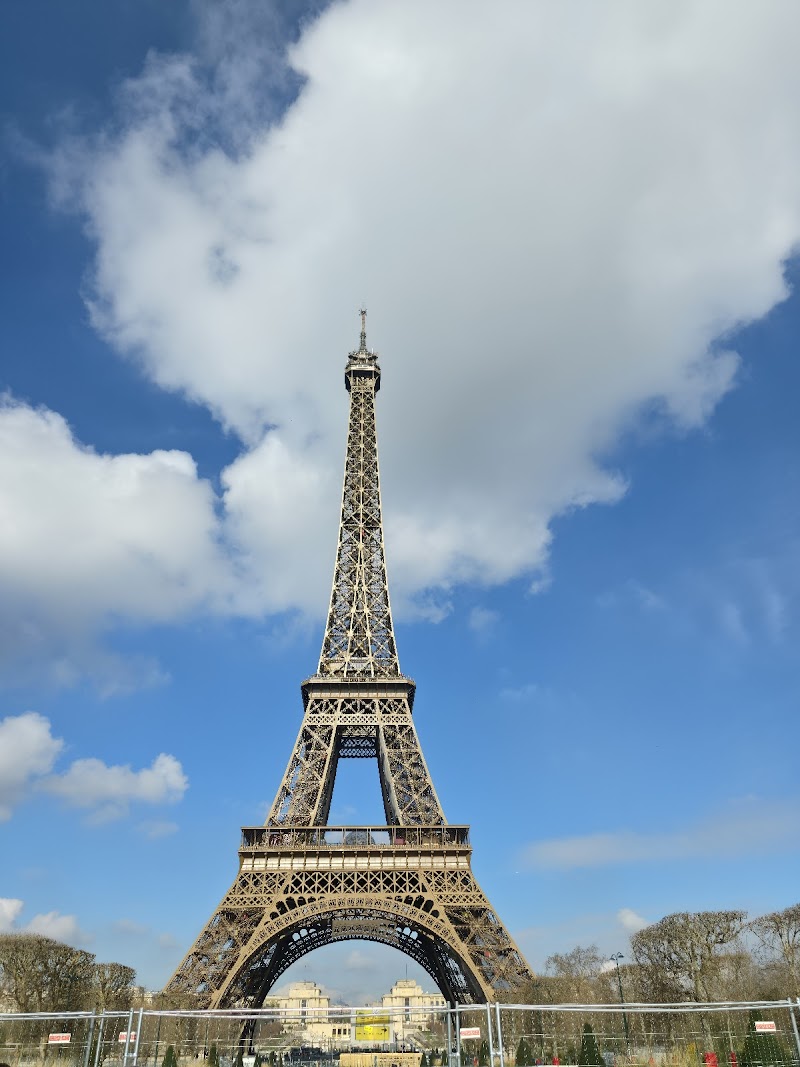
The most recognizable structure in the world and a symbol of Paris. Built for the 1889 World's Fair, it was intended to be temporary, yet it has become an icon of all of France. Designed by Gustave Eiffel's office, the structure consists of approximately 18,000 prefabricated iron elements connected by over 2.5 million rivets. The entire structure weighs approximately 10,100 tons and was designed to offer minimal wind resistance – the characteristic curve of its legs is not an aesthetic whim, but the result of precise aerodynamic calculations.Interestingly, the structure expands and contracts with temperature – in summer, it can be up to 15 cm taller! It is repainted every seven years (using approximately 60 tons of paint) to protect it from corrosion.You can take the elevator or the 674-step staircase to three viewing levels: the first with a glass floor, the second with the best photographic perspective, and the top at 276 meters, home to a reconstruction of Gustave Eiffel's study. It's worth visiting both in the morning to avoid the crowds and in the evening, when the tower lights up for five minutes every hour.Security checks can be lengthy – buy tickets online in advance on the official website: https://www.toureiffel.paris/enIf you're short on time, consider simply walking along the Champs de Mars and viewing the tower from below – it's equally impressive from this perspective.
Address: Av. Gustave Eiffel, 75007 Paris, France
- Champ de Mars
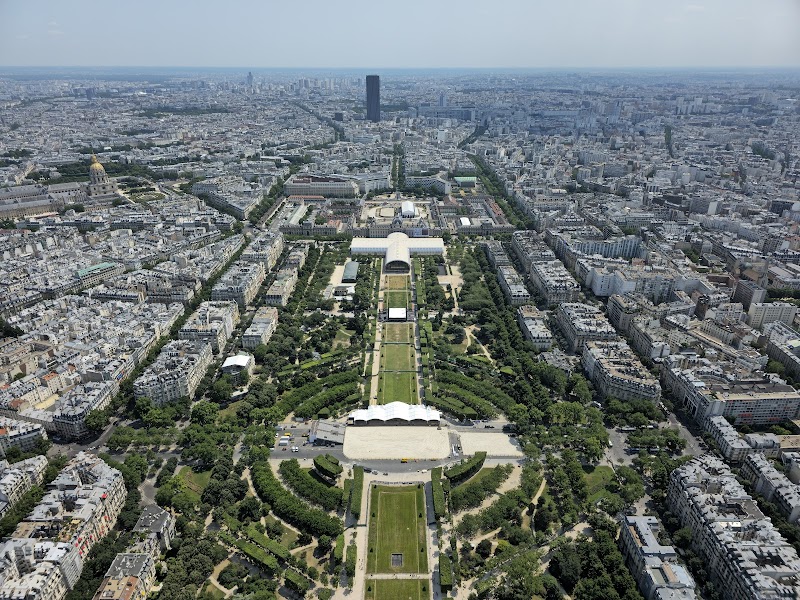
The expansive park at the foot of the Eiffel Tower originally served as a military training ground in the 18th century, hence its name, which refers to the Roman god of war. Today, it's a green picnic area overlooking the city's most famous symbol. It's the perfect place to catch your breath between sightseeing. In the evenings, the area fills with locals and tourists waiting to see the illuminations.
Address: 75007 Paris, France
- Lavirotte Building
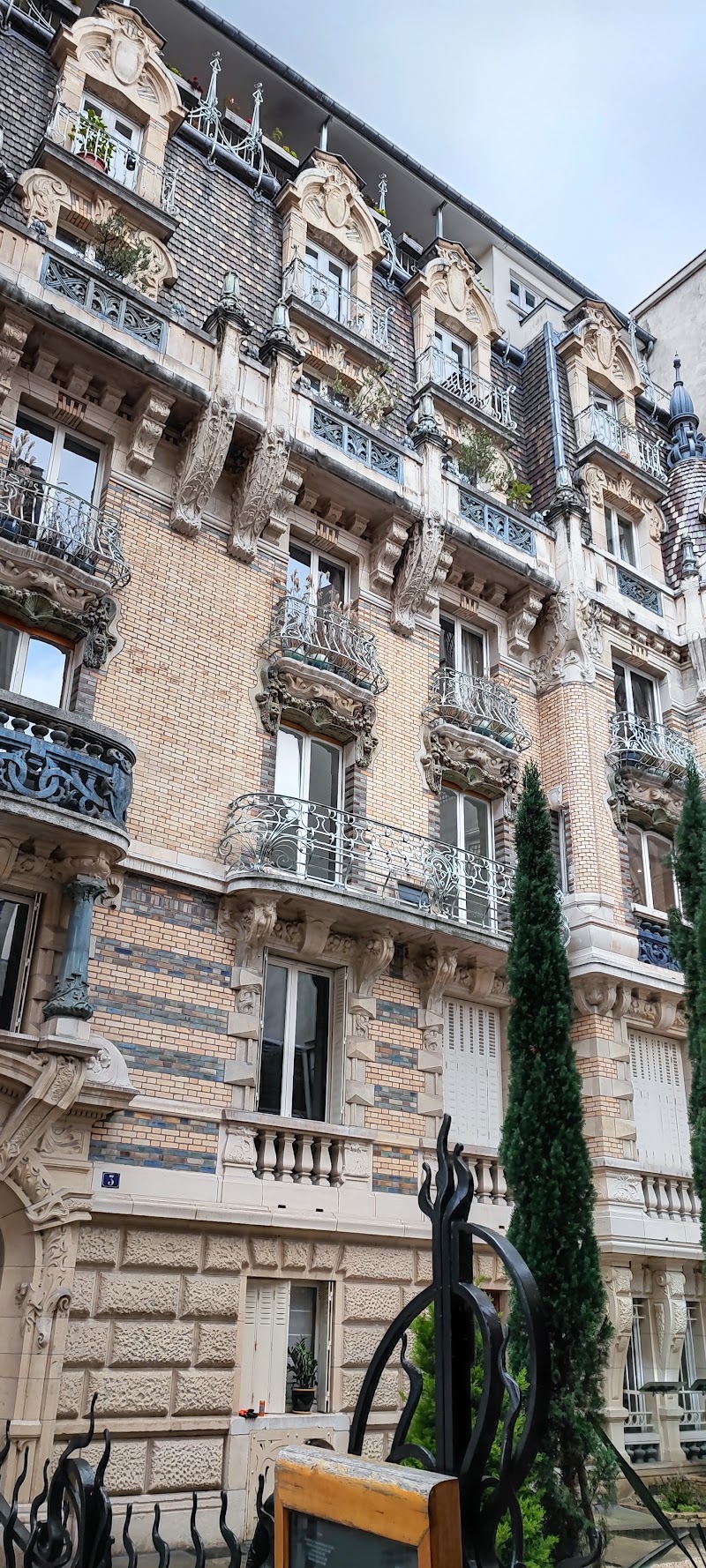
This is one of the most extraordinary examples of Parisian Art Nouveau. The building was designed in 1901 by architect Jules Lavirotte. It stands out for its incredibly rich decoration: sinuous lines, ceramic ornaments, sculptures inspired by nature, and sensual details create a façade that looks almost lifelike. The most striking feature is the spectacular entrance – a portal brimming with sculptural details, symbolism, and bold forms. At the time of its construction, the building was considered exceptionally modern and daring, and today it is one of the most interesting examples of Art Nouveau style in Paris. As a residential building, it can only be admired from the outside, but it's definitely worth a short detour during your walk.
Address: 29 Av. Rapp, 75007 Paris, France
- Le Crépuscule
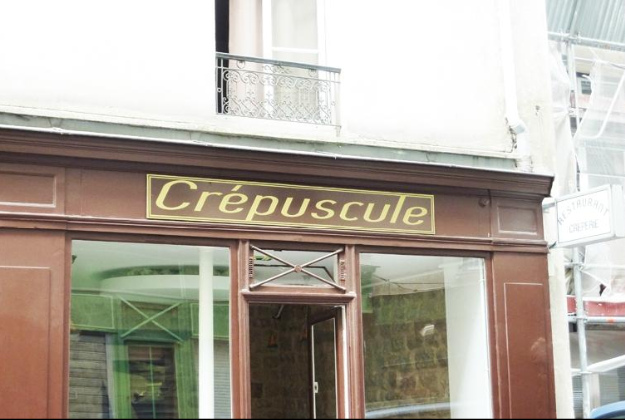
Specializing in savory buckwheat galettes and delicate sweet crêpes, made with high-quality ingredients, this restaurant is a great stop for lunch, brunch, or a light evening meal after a day of sightseeing.
Address: 18 Rue Amélie, 75007 Paris, France
- Rue Saint-Dominique
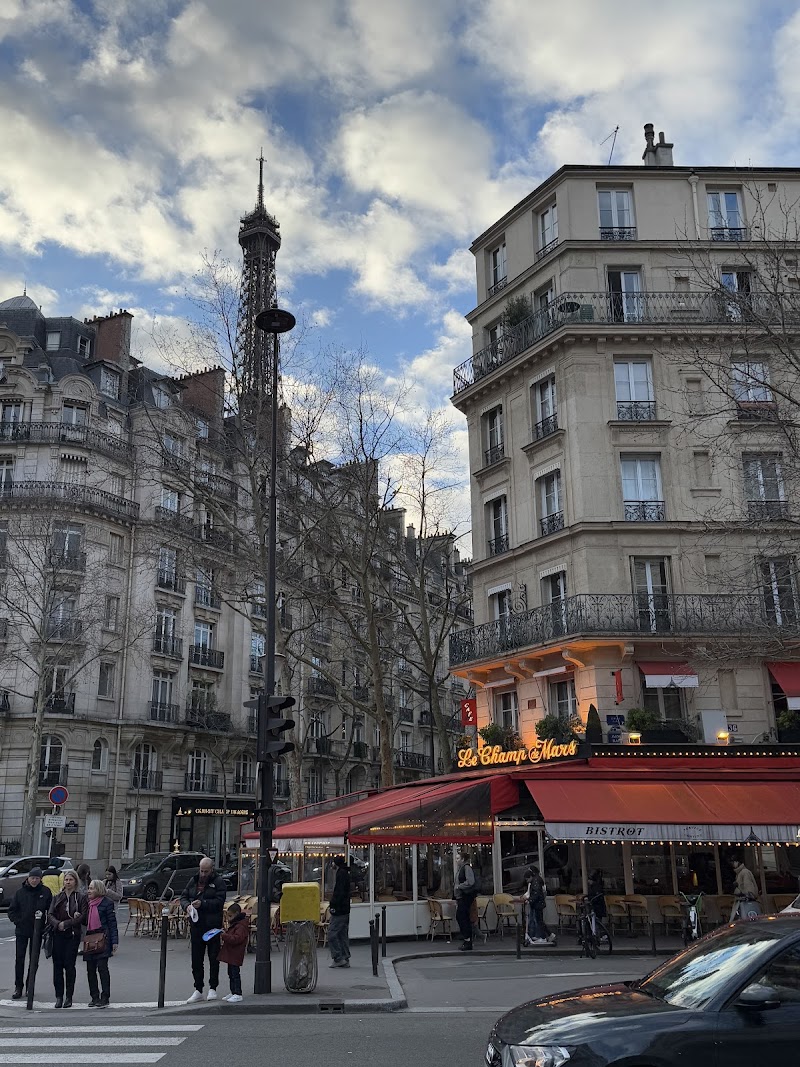
Address: Rue Saint-Dominique, 75007 Paris, France
- Pont Alexandre III
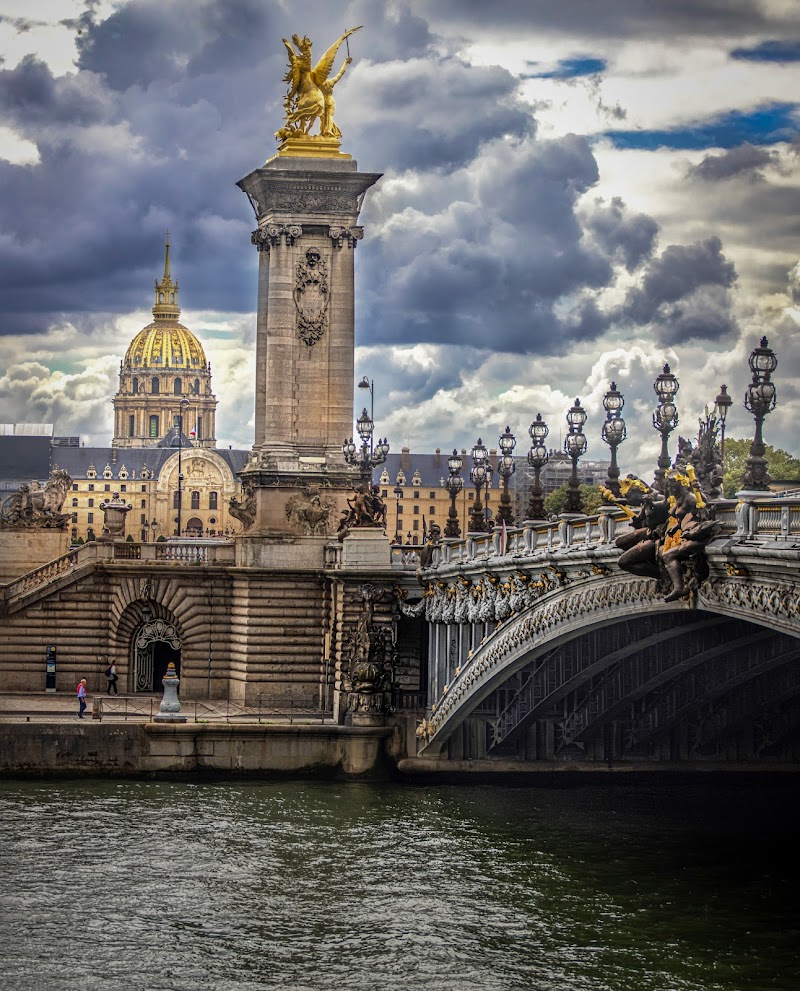
Considered the most elegant bridge in Paris, it connects the Champs-Élysées with the Invalides complex. Built between 1896 and 1900 for the Universal Exhibition as a symbol of the Franco-Russian alliance, it was named after Tsar Alexander III.It was an engineering feat of its time. The single-span, 160-meter-long steel structure was designed low to the water so as not to obstruct views of the Invalides dome and the city skyline. Engineers had to balance aesthetics with functionality.The decorations are a true display of French opulence. Four 17-meter-high pylons are crowned by gilded Pegasus sculptures symbolizing Art, Science, Commerce, and Industry. The balustrades are adorned with nymphs of the Seine and Neva—an allusion to the alliance between France and Russia—and Art Nouveau lampposts add a theatrical touch. Every detail, from the coats of arms to the floral ornamentation, tells the story of power and ambition at the end of the 19th century.
Address: Pont Alexandre III, 75008 Paris, France
- Champs-Élysées
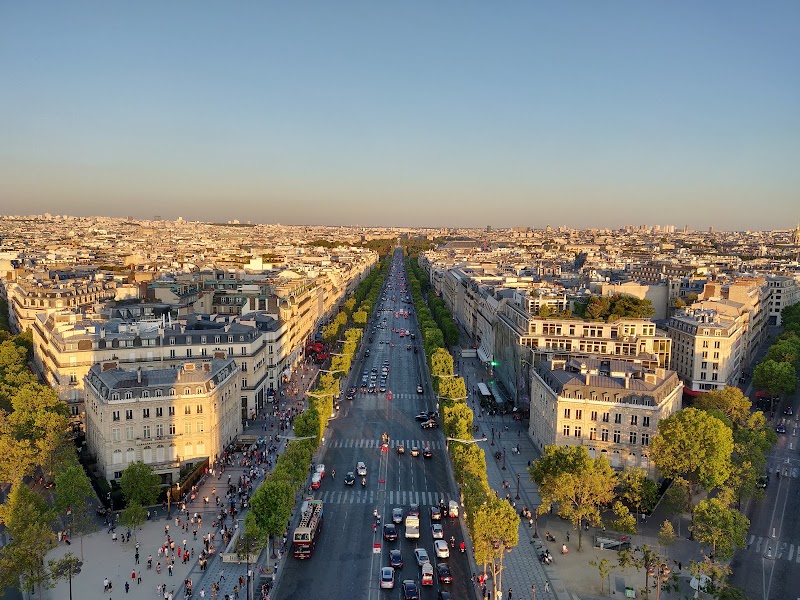
Address: Av. des Champs-Élysées, 75008 Paris, France
- Arc de Triomphe
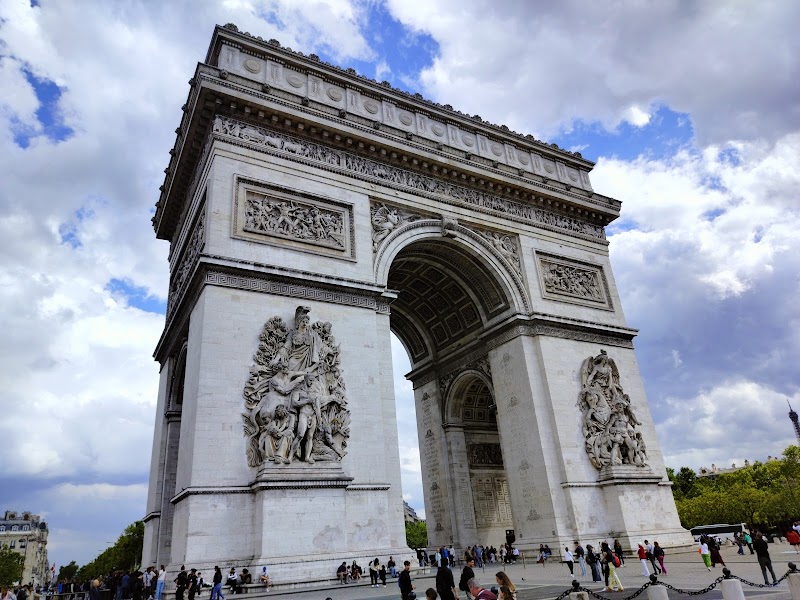
Built by Napoleon Bonaparte after the victory at Austerlitz, it was intended to commemorate the glory of the French army. Construction began in 1806 and was completed three decades later. Beneath the arch lies the Tomb of the Unknown Soldier, with its eternal flame commemorating those who died in World War I.There are 284 steps to the observation deck. The panoramic view of twelve radiating avenues – including the Champs-Élysées – is one of the most impressive in the city.Tickets are worth purchasing online: https://www.paris-arc-de-triomphe.fr
Address: Pl. Charles de Gaulle, 75008 Paris, France
- Rue de l'Abreuvoir
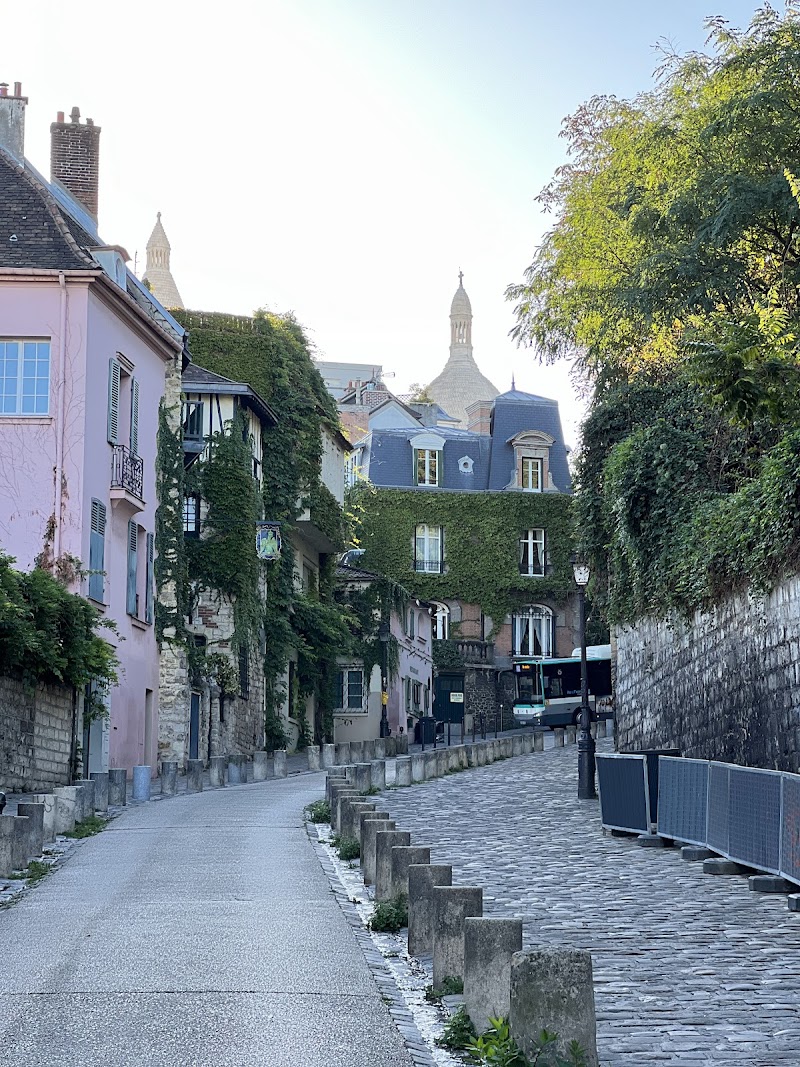
Address: Rue de l'Abreuvoir, 75018 Paris, France
- Basilique du Sacré-Cœur de Montmartre
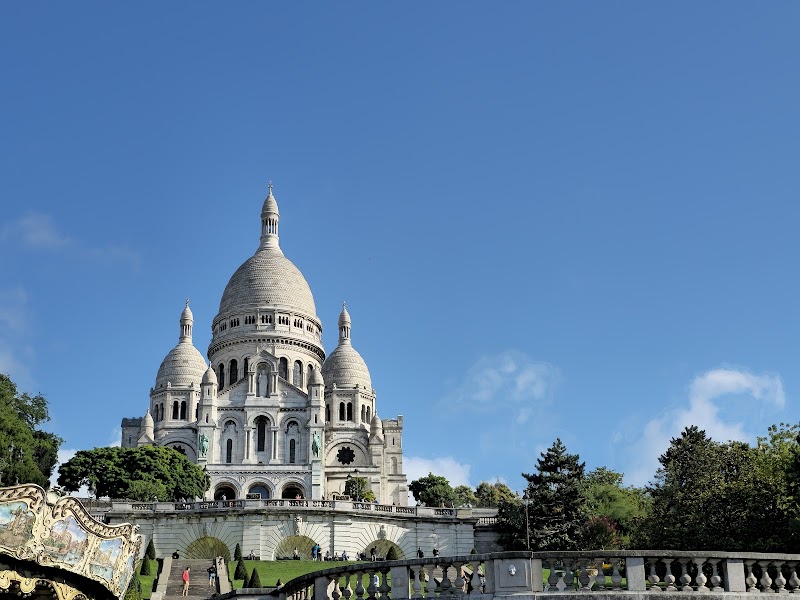
The white basilica, dominating the city skyline, was built after the Franco-Prussian War as a symbol of France's spiritual renewal. Construction began in 1875 and was completed in 1914. Its distinctive, light-colored façade is made of travertine, which releases calcite when exposed to rain, allowing the church to maintain its snow-white color. The interior is adorned with a monumental mosaic of Christ in Glory—one of the largest in the world. Entrance to the basilica is free, but over 300 steps lead to the dome, rewarding you with one of the most beautiful views of Paris.
Address: 35 Rue du Chevalier de la Barre, 75018 Paris, France
- The Wall of "I love you"
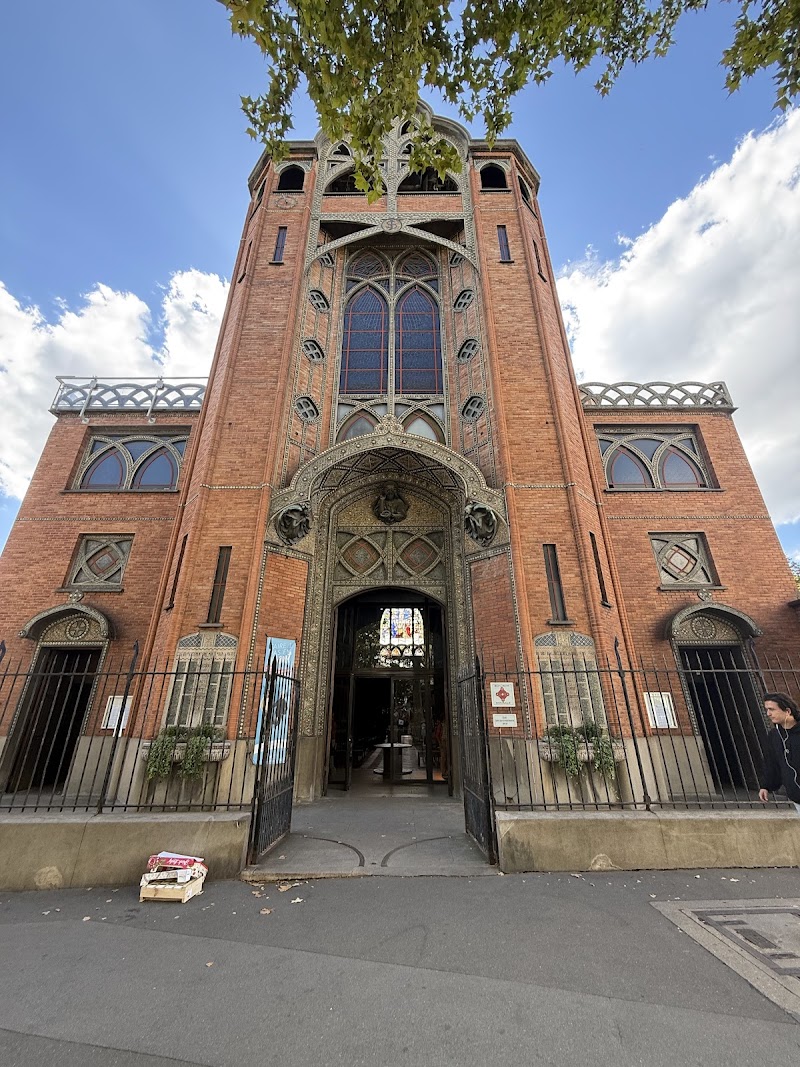
A romantic art installation hidden on Montmartre's hill, on Jehan Rictus Square, right next to the Abbesses metro station. Created in 2000 by artist Frédéric Baron and calligrapher Claire Kito, it consists of 612 blue tiles, each with the words "I love you" written in over 250 languages. The red fragments on the wall symbolize a broken heart, which—according to the project's idea—is to be put back together through love. Although the installation itself is small, its message and atmosphere make it worth a visit during a stroll through Montmartre.
Address: Square Jehan Rictus, 14 Pl. des Abbesses, 75018 Paris, France
- Le Progrès
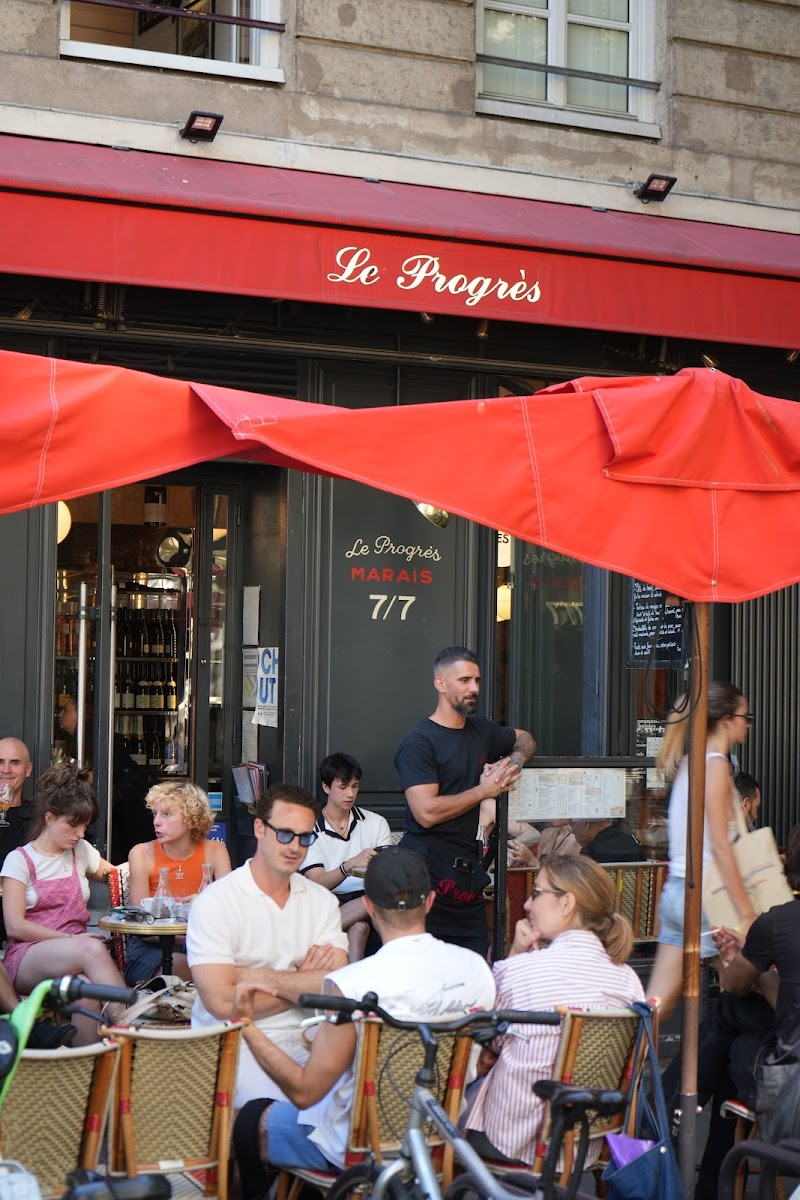
Address: 1 Rue de Bretagne, 75003 Paris, France
Day 2
- BO&MIE Louvre-Rivoli
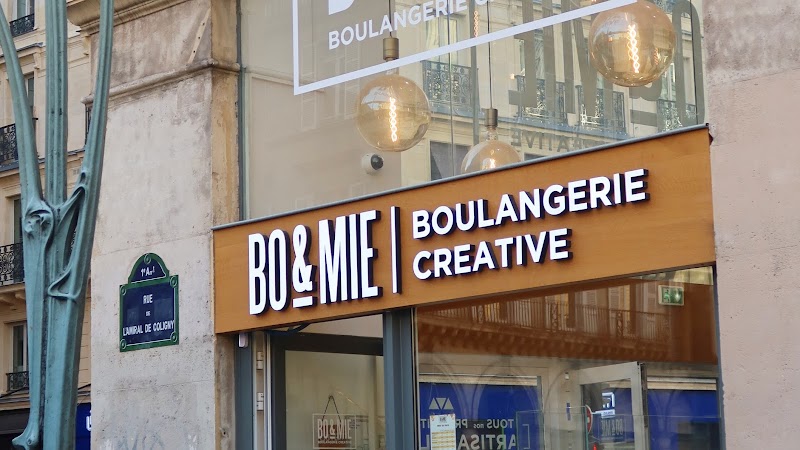
A modern artisan bakery combining classic French pastries with original ideas. Its crispy baguettes, croissants, and impressive sweets attract both locals and tourists.
Address: 91 Rue de Rivoli, 75001 Paris, France
- Louvre Museum
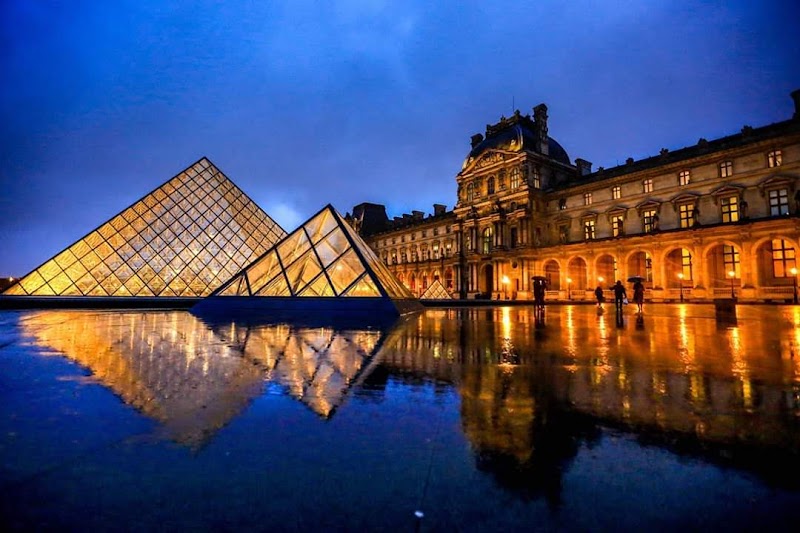
Today, the Louvre is not just a museum, but a chronicle of eight centuries of French history, enclosed within the walls of a former fortress. Its origins date back to the 12th century, when King Philippe II Augustus built a fortress here to protect Paris. In the 16th century, Francis I transformed it into a Renaissance residence, and it was he who initiated the royal art collection, bringing in works such as Leonardo da Vinci. Over the following centuries, the palace was expanded until, under Louis XIV, the court moved to Versailles, and the Louvre gradually became a space for artists and scholars.During the French Revolution, a public museum was opened here in 1793 – a symbol of the idea that art belongs to the nation. Today, the collection comprises over 35,000 exhibits displayed in an area exceeding 70,000 square meters. These include works that have become cultural icons: the Mona Lisa, the Venus de Milo, the Nike of Samothrace, Delacroix's monumental painting, and priceless collections of ancient Egyptian and Mesopotamian art.The architecture here is as fascinating as the works themselves. The contrast between the historic wings and the glass pyramid designed in 1989 symbolically connects the past with the modern.Tickets should be booked exclusively through the official website:https://www.louvre.fr/enTips: Entry is by appointment, so arrive at least 20-30 minutes early. If you're short on time, don't try to see everything—focus on the highlights, like the Mona Lisa and the Venus de Milo. It is also worth choosing the less crowded Carrousel du Louvre entrance.
Address: 75001 Paris, France
- The Bouquinistes
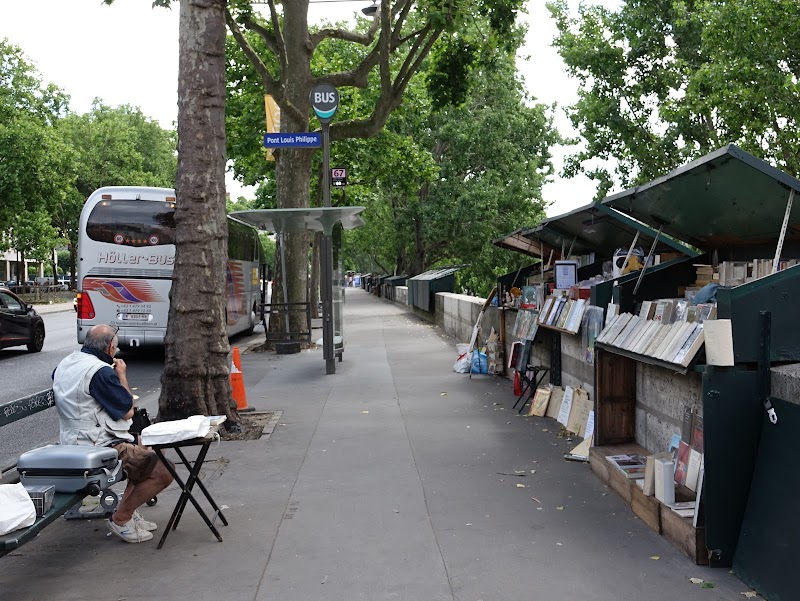
Book sellers are one of the most distinctive elements of the Parisian landscape – green metal crates lined along the Seine form the city's largest open-air bookstore. This tradition dates back to the 16th century, when traveling book sellers began trading along the river. Today, they are not only a place for shopping but also a part of the literary soul of Paris: you can find old editions, posters, postcards, prints, and small treasures here.Book sellers stretch for approximately 3 kilometers along the banks of the Seine, primarily around the Île de la Cité and Île Saint-Louis. On the right bank of the Seine, their stands are located roughly from Pont Marie to the Quai du Louvre, and on the left bank, from the Quai de la Tournelle to the Quai Voltaire. The most pleasant walk is from the area around Notre-Dame towards the Louvre, or vice versa – you'll pass these famous green crates along the way.
Address: 14 Quai de l'Hôtel de ville, 75004 Paris, France
- L'As du Fallafel
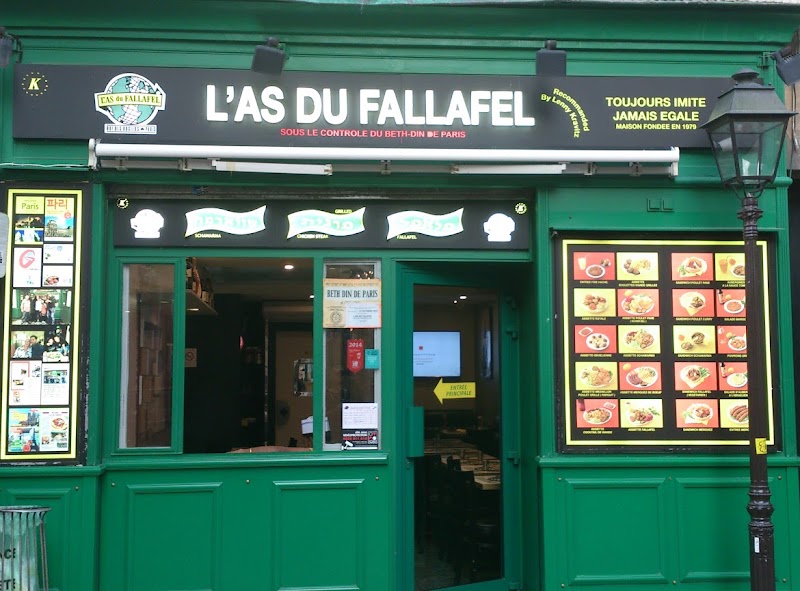
A cult spot in the Marais district, known for some of the best falafel in Paris. The legendary pita filled with crispy balls of chickpeas, grilled vegetables, and tahini sauce has been drawing lines since the 1980s. It's a quick, filling, and affordable lunch option between sightseeing.
Address: 34 Rue des Rosiers, 75004 Paris, France
- Notre-Dame Cathedral of Paris
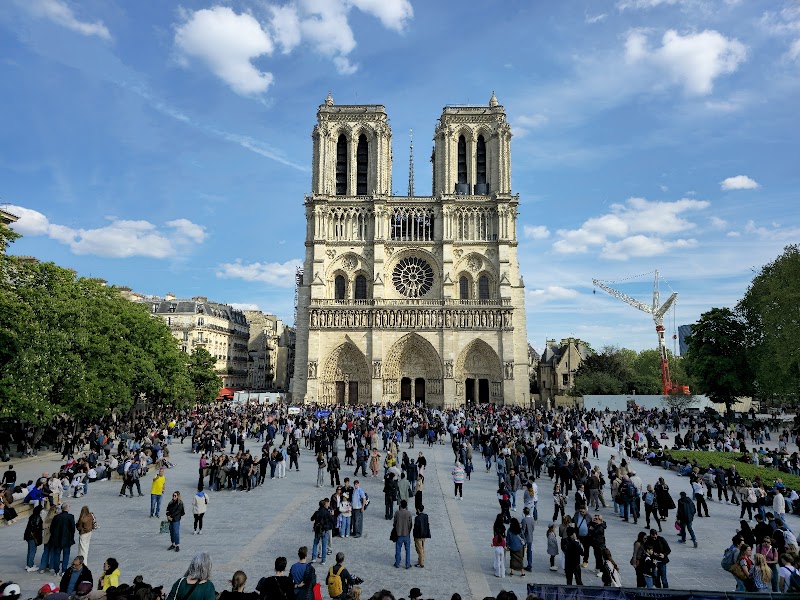
A Gothic architectural gem, construction began in the 12th century during the reign of Louis VII and lasted nearly two centuries. The monumental façade, with its three portals, the Gallery of Kings, and two 69-meter-high towers, has dominated the Seine for centuries, witnessing coronations (including that of Napoleon Bonaparte in 1804), processions, and the events of the French Revolution.In the 19th century, it fell into neglect until Victor Hugo made it famous in his novel "The Hunchback of Notre-Dame."The interior captivates with its soaring vaults and famous rose windows – especially the southern one, whose stained glass windows create a spectacle of color on a sunny day. The distinctive gargoyles and chimeras served as gutters, but also as symbolic protection against evil.In 2019, a fire destroyed the spire and part of the roof. The ongoing restoration aims to restore the cathedral to its former glory while maintaining historical accuracy.Entrance to the cathedral is free, but it's recommended to book online in advance. There's a fee to climb the towers overlooking the city. For up-to-date information on visits, visit the official website: https://www.notredamedeparis.fr/en/
Address: 6 Parvis Notre-Dame - Pl. Jean-Paul II, 75004 Paris, France
- Sainte-Chapelle
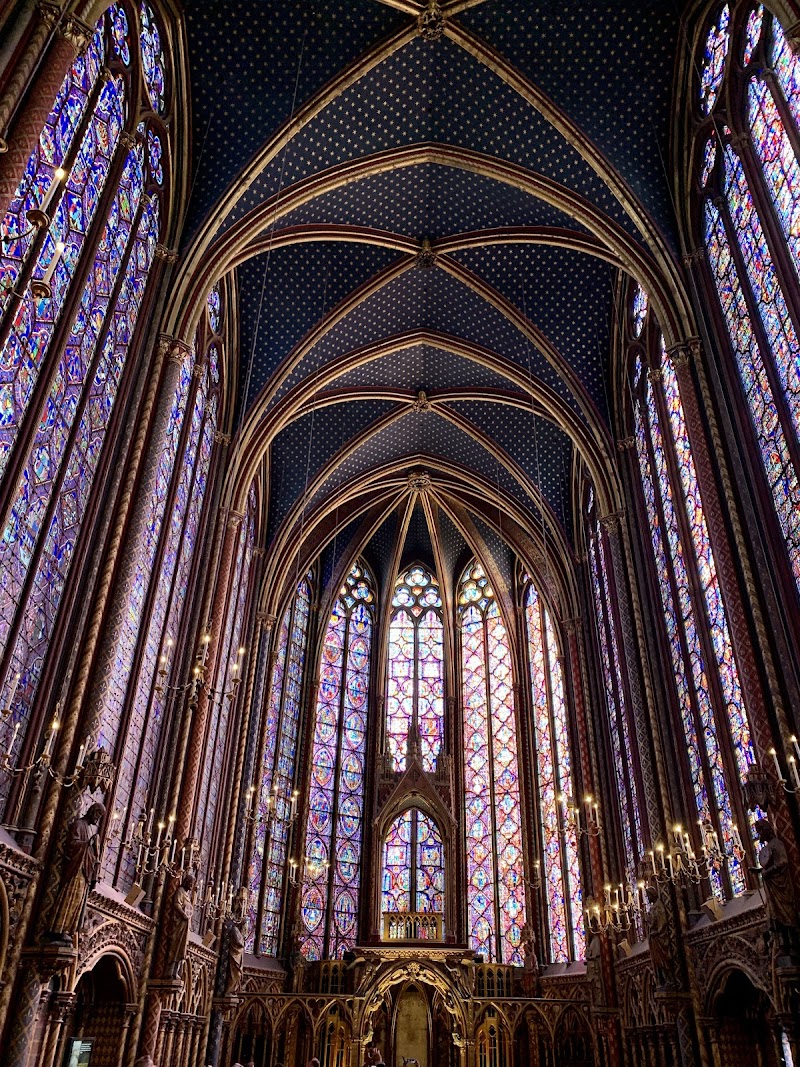
This 13th-century Gothic chapel, a UNESCO World Heritage Site, is renowned for its over 1000 biblical scenes depicted in stunning stained glass windows. Built as a reliquary for Christ's crown of thorns, it still dazzles with its play of color.Official information and ticket reservations can be found at: https://www.sainte-chapelle.fr/en/It's recommended to arrive 15-30 minutes early; tickets can be combined with a visit to the adjacent Conciergerie, a former royal residence and prison dating back to the Revolution.
Address: 10 Bd du Palais, 75001 Paris, France
- Au P’tit Grec
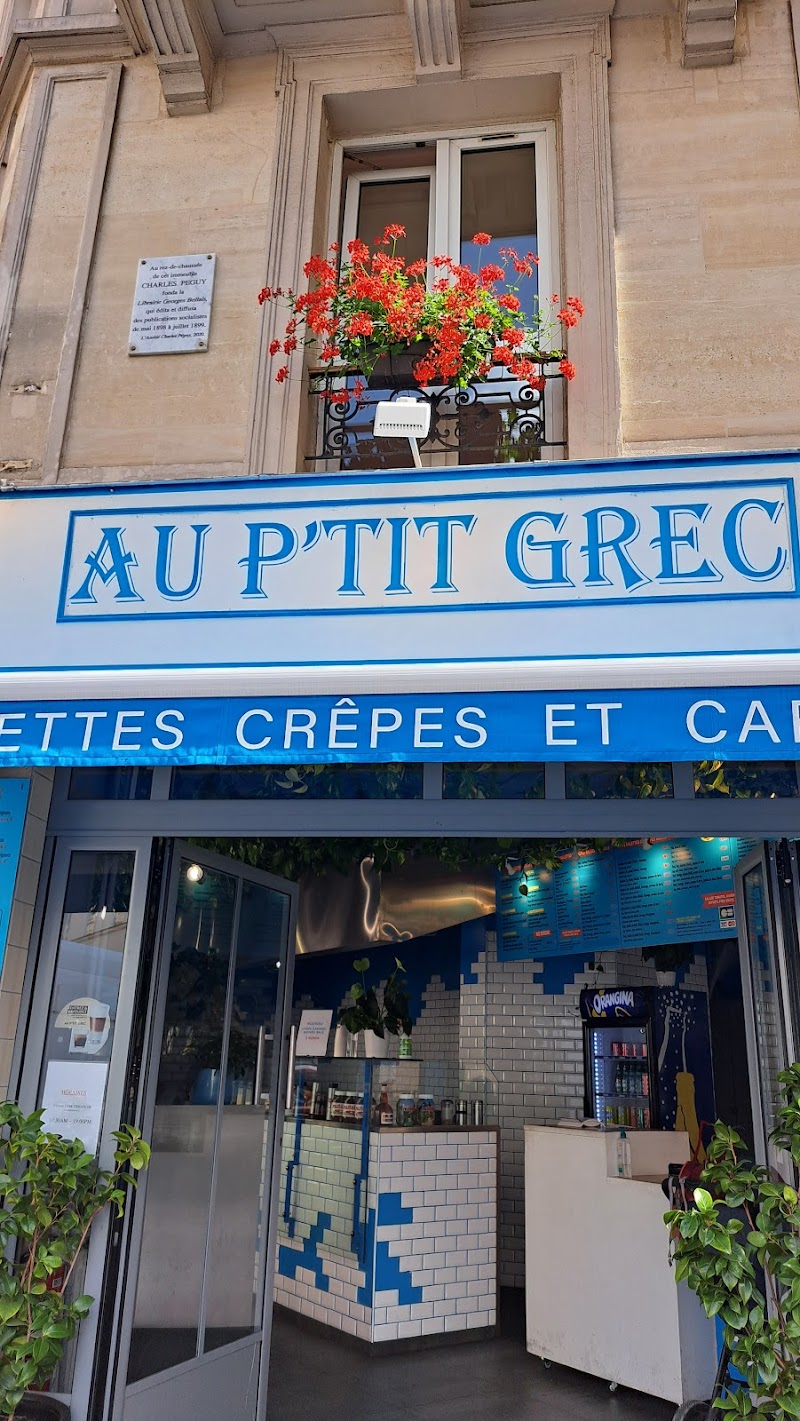
A small Latin Quarter spot famous for its enormous takeaway crêpes. The fillings—from Nutella to savory combinations with chicken and vegetables—are hearty and filling. It's a quick, budget-friendly lunch option, perfect for strolling along the Seine.
Address: 9 Rue Victor Cousin, 75005 Paris, France
- Square du Vert-Galant
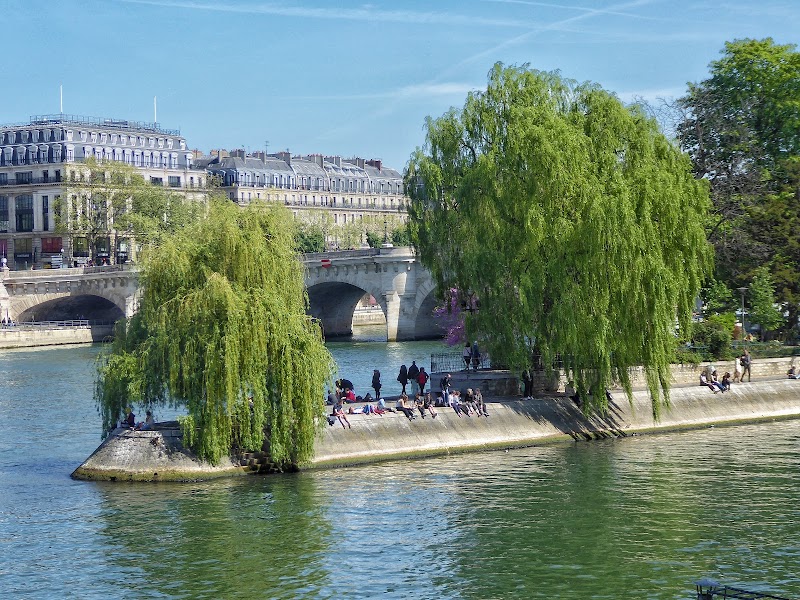
This small, triangular garden was created in 1884 on connected islands at the western end of the island and owes its name to King Henry IV, nicknamed "Vert-Galant." From this green promontory, there are beautiful views of the Seine, the Louvre, and the facades of the waterfront buildings. Descending the steps, behind the statue of Henry IV, the city suddenly seems to slow down: the sound of water, the sight of bateaux-mouches floating by, and the benches and trees create an atmosphere perfect for a short break.
Address: 15 Pl. du Pont Neuf, 75001 Paris, France
- Tuileries Garden
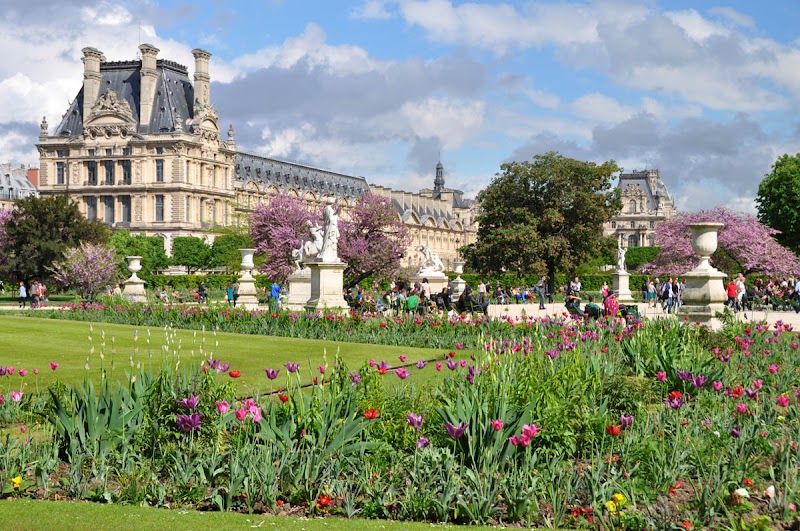
Stretching between the Louvre and the Place de la Concorde, the garden is a classic example of French garden art. Created in the 16th century by Catherine de' Medici as a garden for the Tuileries Palace, it was transformed in the 17th century by André Le Nôtre – the same master who designed the gardens at Versailles.The distinctive green chairs surrounding the ponds can be moved freely – simply sit, stretch your legs, and for a moment feel like a character in a French film. Among the sculptures scattered throughout the garden are works by Maillol and Rodin, and the central axis offers views all the way to the Arc de Triomphe.
Address: 75001 Paris, France
- Palais-Royal
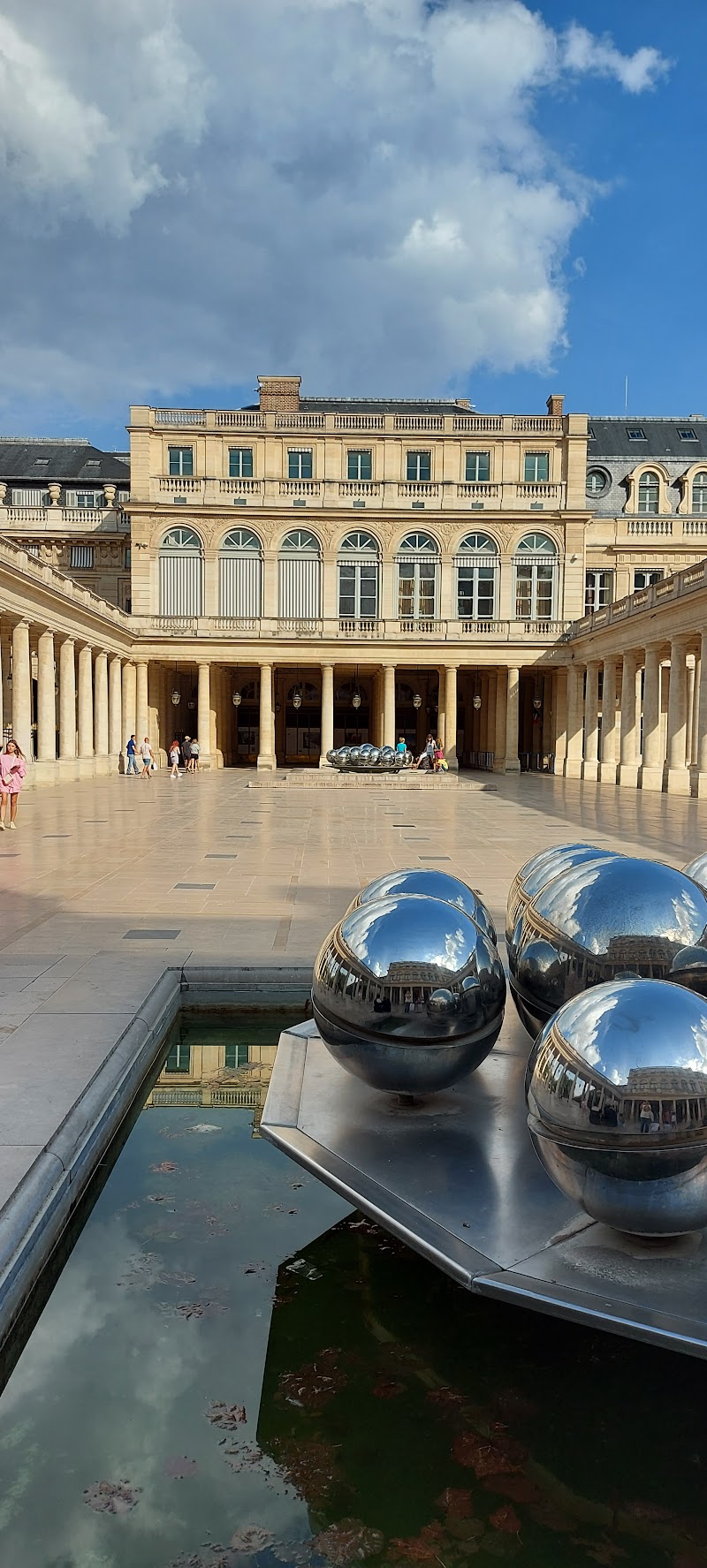
This is one of the most elegant and underappreciated places in central Paris – the former palace of Cardinal Richelieu, built in the 1630s, which later became the residence of the Orléans family and a key location for the city's political and social life.The arcades surrounding the garden, symmetrical facades, and meticulously maintained greenery create a space that seems almost cut off from the hustle and bustle of the city, despite being just steps from the Louvre.One of the most recognizable features of the Palais-Royal is the famous Buren columns in the Cour d'Honneur, the 1985-1986 installation "Les Deux Plateaux." The black and white columns of varying heights once sparked considerable controversy, but today they are a symbol of modern Paris. Admission to the garden and courtyard is free.
Address: Palais-Royal, 75001 Paris, France
- Galerie Vivienne
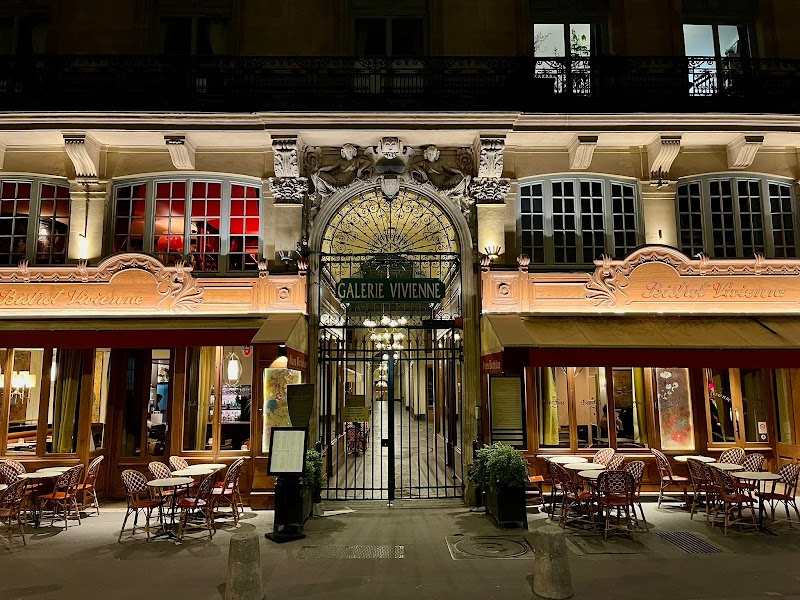
This is one of Paris's most beautiful covered passages and a true time capsule from an era when shopping was almost a social ritual. Built in 1823, its interior still captivates with its mosaic floor, glass dome, glass roof, and neoclassical decoration inspired by Pompeii. This place has a touch of elegant 19th-century Paris: intimate, stylish, and meticulously detailed. Strolling through, you'll pass boutiques, bookstores, wine shops, and elegant eateries, but the greatest attraction remains its architecture and atmosphere. The Galerie Vivienne was listed as a historical monument in 1974.
Address: 4 Rue des Petits Champs, 75002 Paris, France
- Bibliothèque nationale de France (BnF) | Richelieu
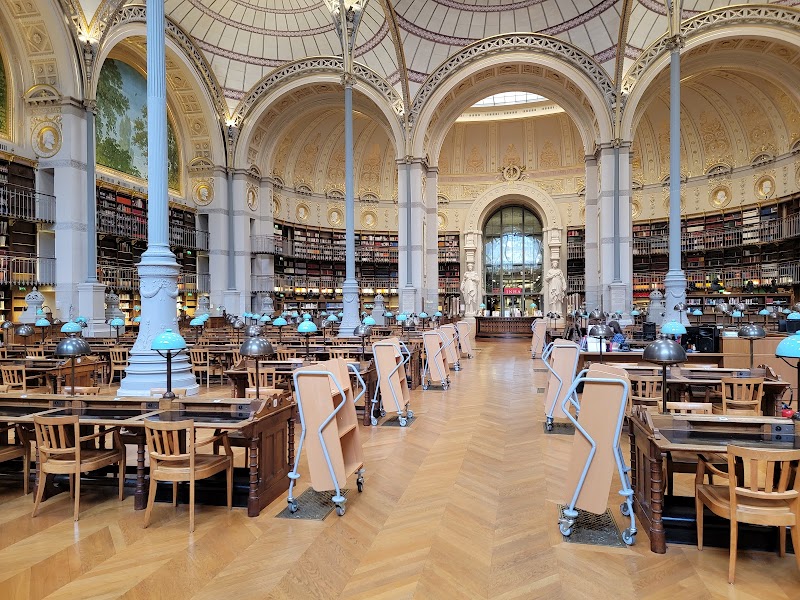
This is one of the most beautiful and underrated places in central Paris. Its history dates back to royal collections amassed since the Middle Ages, and the complex on rue de Richelieu served as the main headquarters of the National Library for centuries. After years of renovation, the place has regained its former glory. The most impressive feature is the famous Salle Ovale, or Oval Reading Room – a monumental room under a high, glass vault, surrounded by rows of shelves and elegant workstations. The complex also houses exhibition spaces and galleries, making a visit appealing not only to bookworms but also to those who appreciate art and beautiful interiors.
Address: 5 Rue Vivienne, 75002 Paris, France
- Place Vendôme
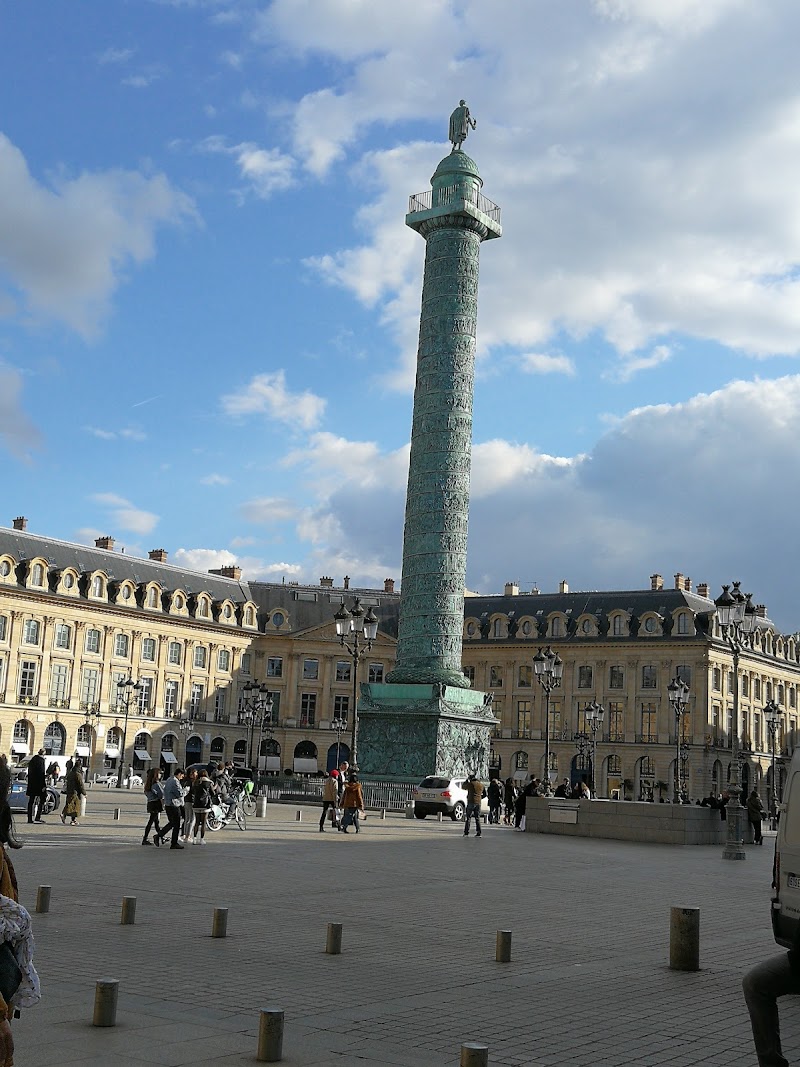
Place Vendôme was created in the late 17th century as a royal square designed by Jules Hardouin-Mansart for Louis XIV. Its architecture is a model of French classicism: harmonious, nearly identical facades with arcades create a majestic space. At the center of the square stands the Vendôme Column, commissioned by Napoleon I to commemorate the Battle of Austerlitz. Its history is turbulent: after revolutionary and political upheavals, it was even toppled during the Paris Commune and later rebuilt. Today, Place Vendôme is primarily associated with Parisian luxury. It houses famous jewelry houses, prestigious boutiques, and the legendary Ritz Paris.
Address: Place Vendôme, Paris, France
- Palais Garnier
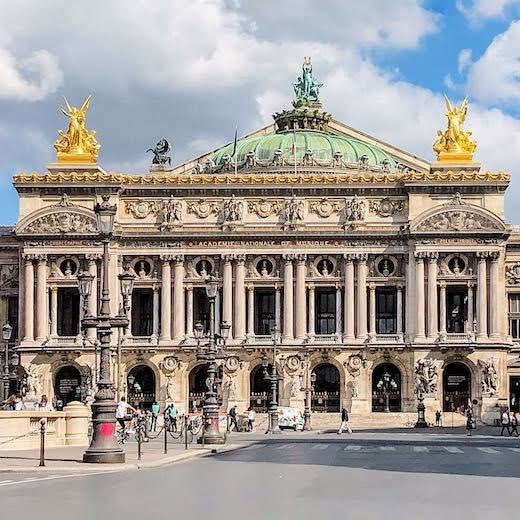
This monumental building is the quintessence of the splendor of the Napoleon III era and one of the most important opera houses in the world. Designed by the young architect Charles Garnier, it opened in 1875 after nearly 15 years of construction.The opera's façade features columns, sculptures, and gilded details depicting allegories of Music, Dance, and Poetry. However, it is the interior that truly impresses – a monumental staircase of white and red marble.In 1964, the ceiling was decorated with a contemporary fresco by Marc Chagall, which subtly contrasts with the 19th-century décor. A reservoir is located underground, which was used in Gaston Leroux's "The Phantom of the Opera."The building can be visited on a walk-in basis or with an audio guide. Current times and tickets are available at: https://www.operadeparis.fr/en/visits/visit-and-explore/visit-the-palais-garnier
Address: Pl. de l'Opéra, 75009 Paris, France
- Galeries Lafayette Haussmann
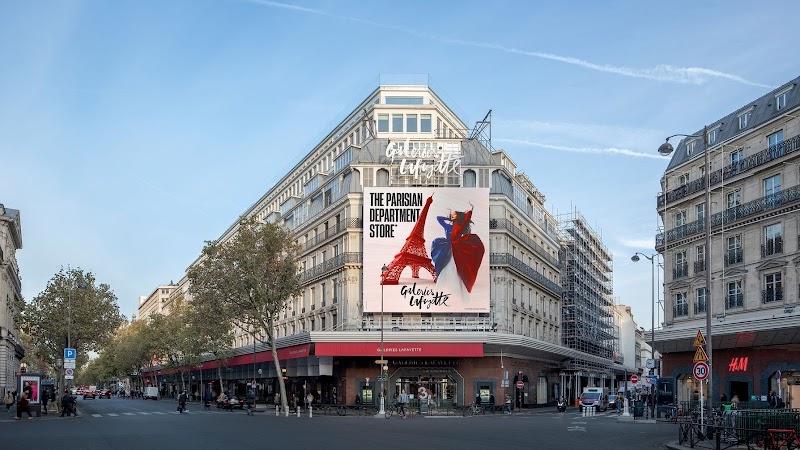
The famous department store on Boulevard Haussmann is not only a fashion temple but also one of the best—and free—viewpoints in central Paris. Elevators and escalators lead to the roof, and the terrace offers panoramic views of the Opéra Garnier, Montmartre, and the rooftops.
Address: 40 Bd Haussmann, 75009 Paris, France
- Bouillon Chartier Grands Boulevards
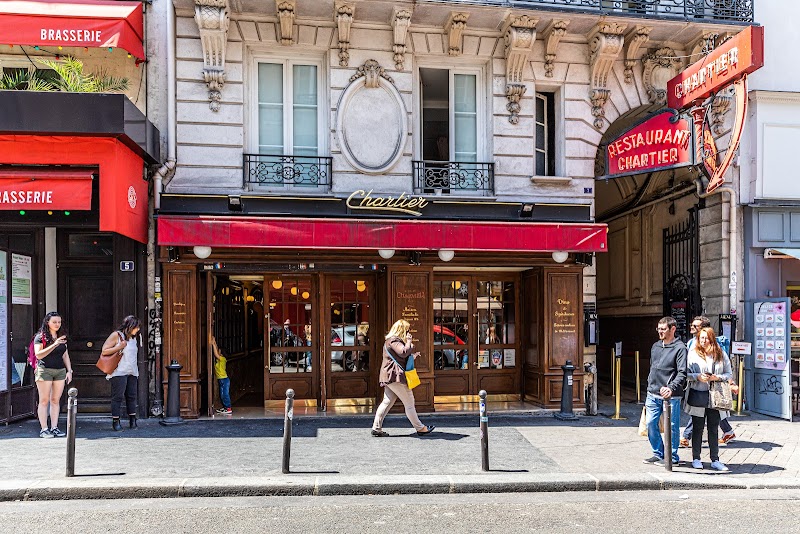
Since 1896, they've been serving traditional French cuisine in an impressive Belle Époque setting. Tables are shared, waiters write the bill on a paper tablecloth, and the prices are surprisingly affordable. Be sure to try the bouillon parisien—a light beef broth from which the restaurant takes its name. It's a journey back to old Paris at its finest.
Address: 7 Rue du Faubourg Montmartre, 75009 Paris, France
About this plan
Paris – an unforgettable weekend in the French capitalParis is a city that has attracted tourists from around the world for centuries with its unique atmosphere, monumental architecture, and unmistakable charm. The French capital delights both lovers of culture and history, as well as those seeking romantic walks and delicious cuisine. Spending 2 days in Paris may seem like a challenge, but a well-planned itinerary allows you to feel the city’s character, see its most important attractions, and experience the authentic Parisian vibe. If you’re wondering what to see in Paris over a weekend, our guide will help you explore the city in the most efficient and comfortable way.Paris 2-day itinerary – practical and ready to useThis 2-day Paris itinerary is a ready-made solution for those who want to see as much as possible in a short time without unnecessary planning. It’s not a random list of attractions – it’s a carefully planned route, divided by days and optimized to make sightseeing logical and convenient. The plan includes both key places in Paris and spots where you can take a break or enjoy local delicacies.Available in a modern app, the plan guides you step by step through the city. You receive a ready-made route with clear instructions and descriptions, allowing you to navigate Paris easily on your smartphone and adjust the pace of your sightseeing to your needs. This ready-made 2-day Paris itinerary allows you to make the most of your weekend, combining comfort, convenience, and a full Parisian experience.
Gallery