A single day in Poznań is the perfect opportunity to feel the soul of a city where Polish history intertwines with modern energy and the legendary "Greater Poland order." In just a dozen or so hours, you will discover its greatest treasures. This itinerary has been carefully designed to let you explore the key symbols of the capital of Greater Poland at a comfortable walking pace. You will see the famous mechanical billy goats butting heads on the Town Hall tower, catch the sweet scent of white poppy seeds hidden inside a certified St. Martin’s Croissant, and learn why the humble "pyra" (potato) became the cornerstone of local identity. This is a ready-made recipe for an unforgettable day, allowing you to maximize your time, avoid the chaos, and discover Poznań at its very best. The route leads you step-by-step through the heart of the city, blending historical legends with the unique atmosphere of today’s streets and cafes. Ready to explore Poznań?
Plan details
- City: Poznań
- Number of days: 1
- Number of places: 27
Itinerary
Day 1
- Adam Mickiewicz Square
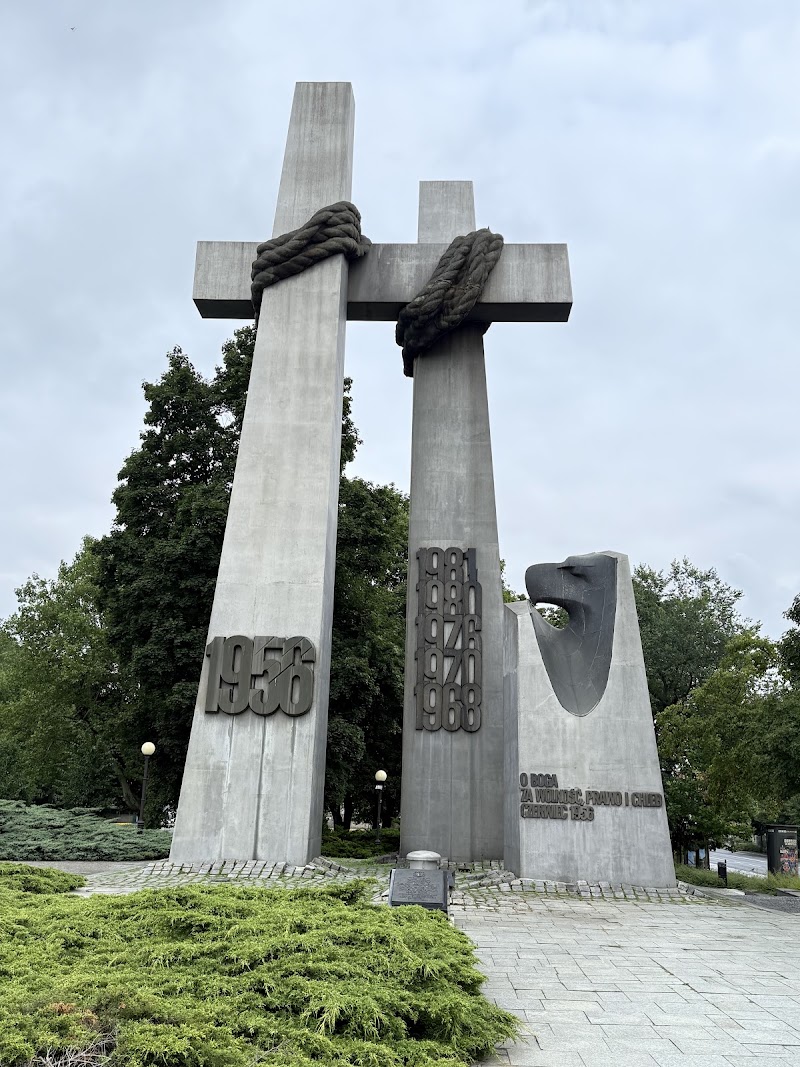
Adam Mickiewicz Square is one of the most important commemorative sites in Poznań, having witnessed key events in the city's history. This vast square, surrounded by the grand buildings of Adam Mickiewicz University and the Imperial Castle, dominates the western part of the city center. It is home to two symbols of Poznań with very different meanings: the monument to the national poet Adam Mickiewicz and the monumental Poznań June 1956 Monument. These powerful, steel "Crosses" commemorate the first workers' uprising against communist rule in post-war Poland. The square is a traditional venue for state ceremonies, demonstrations, and gatherings, blending pride in national culture with the memory of the struggle for freedom.What is worth seeingThe Poznań June 1956 Monument – distinctive, intertwined crosses featuring dates of workers' uprisings and an eagle sculpture, symbolizing courage and resistance.Adam Mickiewicz Monument – a classic monument to the university's patron, erected on the site of a former Bismarck monument to symbolize the return of Polish identity to the city.Architectural Panorama – the square offers views of the Neo-Renaissance Collegium Minus and the Neo-Romanesque Imperial Castle.Practical information The square is an open public space, accessible for free 24/7. It is located directly adjacent to Mickiewicz Park and numerous public transport stops (Most Teatralny, Zamek). It is worth visiting at sunset when the surrounding buildings are beautifully illuminated. Nearby, on św. Marcin Street, you should try traditional Poznań pastries at one of the local bakeries.
Address: Święty Marcin, 61-809 Poznań, Poland
- Monument to Adam Mickiewicz
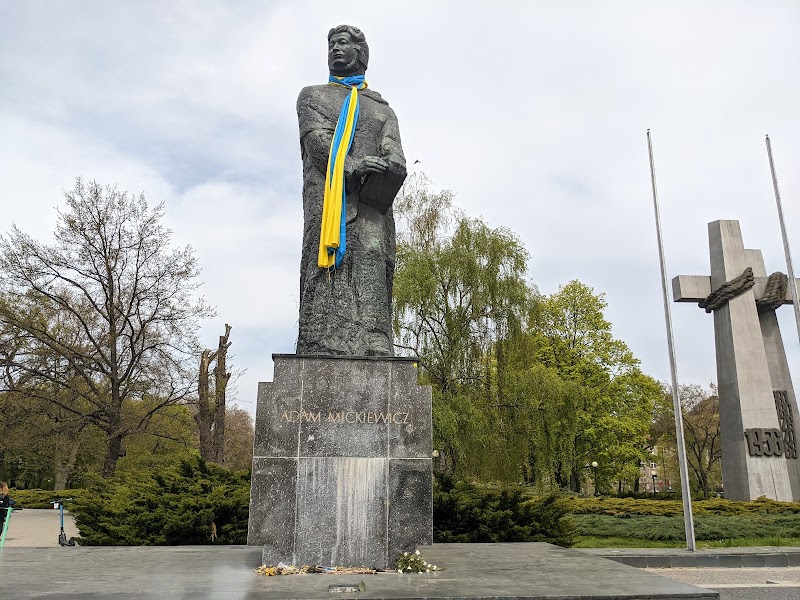
The Adam Mickiewicz Monument is one of the most significant symbols of Polish identity in Poznań. The monument, depicting the national bard in a proud, standing pose, was unveiled in 1960, replacing an earlier statue destroyed during the war. Its location carries deep symbolic meaning – it stands on the exact spot where Prussian authorities once erected a monument to Otto von Bismarck, making today’s monument a sign of cultural victory. The figure of the poet towers over the square, serving as a silent witness to the most important demonstrations and ceremonies in the city’s history. It is a traditional meeting spot for locals and a place where students from the neighboring university celebrate their graduation.What is worth seeingThe Bard's Silhouette – a classic, monumental bronze sculpture set on a tall granite plinth.The Monument's Surroundings – the view of the Neo-Renaissance facade of Collegium Minus, which creates one of the most dignified urban panoramas in the city.The Inscription – a simple but powerful dedication: "To Adam Mickiewicz – The Nation," highlighting the nationwide significance of the tribute.Practical information The monument is located on Mickiewicz Square, right next to Mickiewicz Park and the famous Poznań Crosses. Access to the monument is free and available 24/7. Numerous tram and bus stops are located in the immediate vicinity. After your visit, it is worth taking a short walk to the nearby Imperial Castle or for a coffee on św. Marcin Street.
Address: 60-101 Poznań, Poland
- Monument to the Victims of June 1956
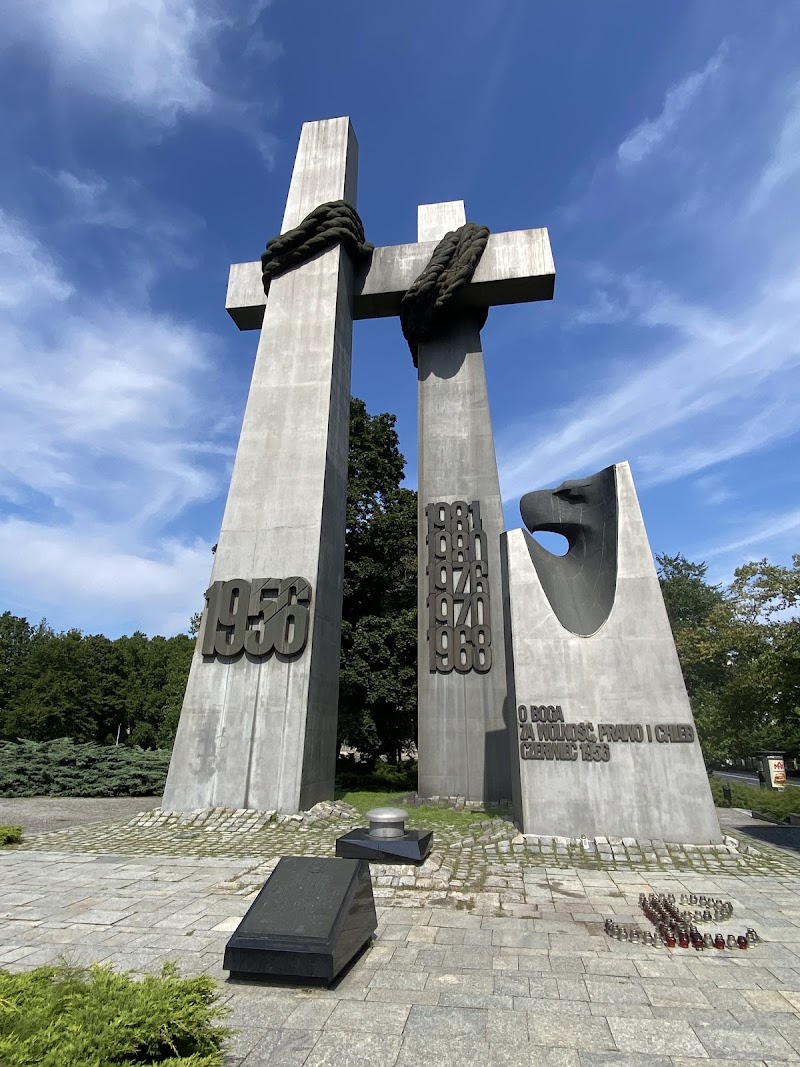
The Poznań June 1956 Victims Monument, commonly known as the Poznań Crosses, is one of the most poignant and recognizable symbols of the city. It commemorates the first mass workers' protest in post-war Poland against the communist regime. The monument consists of two massive steel crosses, 19 and 21 meters high, joined by a single bond, symbolizing national unity. The crosses bear the dates of subsequent freedom uprisings: 1956, 1968, 1970, 1976, 1980, and 1981. Next to the crosses stands an eagle sculpture, and the pedestal carries the inscription: "For freedom, law, and bread" – the slogan shouted by workers on the streets of Poznań. Built in record time and unveiled on the 25th anniversary of the events in 1981, it immediately became a site of reverence and a symbol of the struggle for sovereignty.
Address: Święty Marcin, 61-001 Poznań, Poland
- Adam Mickiewicz Park
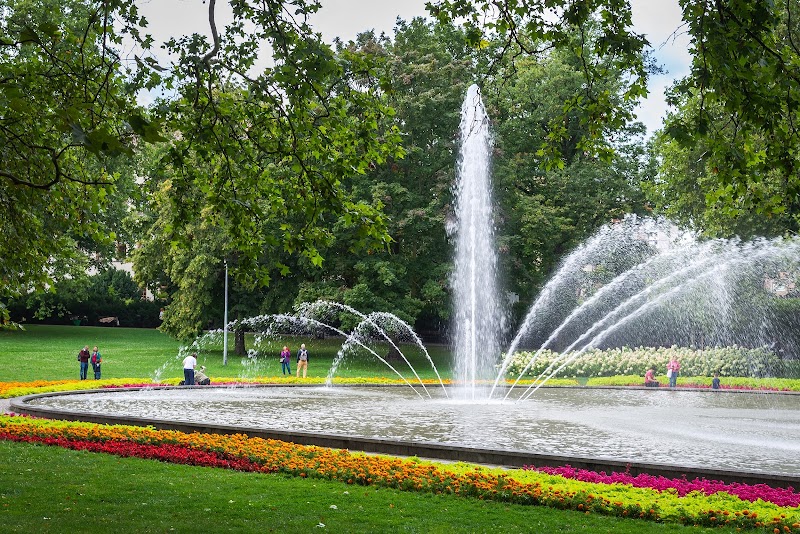
Adam Mickiewicz Park is the centerpiece of Poznań’s Imperial Quarter, surrounded by the monumental architecture of the Grand Theatre, Collegium Minus, and the Imperial Castle. It is a classic-style park that impresses with its symmetry, manicured lawns, and a grand central fountain, which serves as a favorite photo backdrop for locals and tourists alike. The park features a monument to the national poet Adam Mickiewicz and the poignant Poznań June 1956 Monument (the "Crosses"), commemorating the first mass workers' protest in communist Poland. It is a place where grand history and politics meet the everyday tranquility of students and strollers.What is worth seeingThe Fountain and Opera House view – one of the most beautiful urban vistas in Poznań, especially striking when illuminated at night.Poznań June 1956 Monument – the monumental "Crosses," a symbol of the struggle for freedom and dignity, located on the adjacent Mickiewicz Square.The Grand Theatre steps – a popular meeting spot offering a view over the entire park’s layout.Practical information Entry to the park is free and open 24/7. Numerous cafes are located in the immediate vicinity (Fredry St. and św. Marcin St.). It is worth visiting the Cat Cafe on Fredry Street for a coffee in the company of cats or the nearby Imperial Castle for an art exhibition. The park is an ideal starting point for a walk through the Castle District.
Address: Fredry 7, 60-101 Poznań, Poland
- Grand Theatre, Poznań
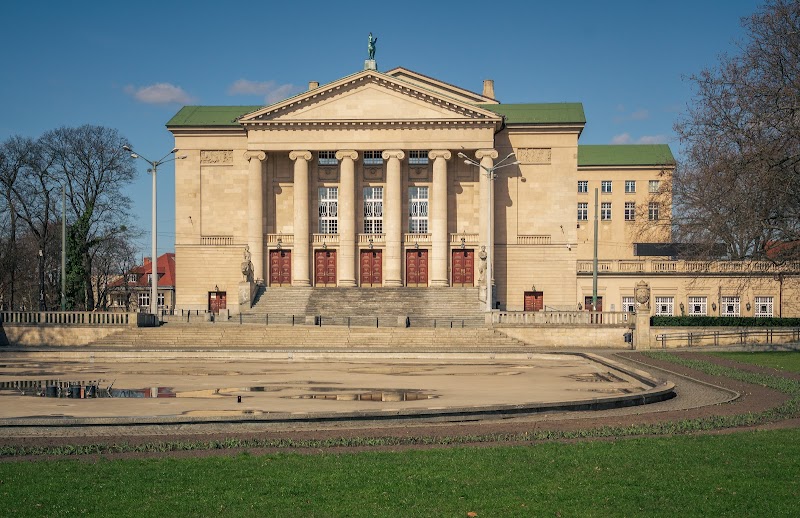
The Grand Theatre in Poznań (Teatr Wielki), named after Stanisław Moniuszko, is one of the most important and prestigious opera houses in Poland. This monumental Neoclassical building was designed by Max Littmann and opened in 1910. Its facade is dominated by six massive Ionic columns and crowned by a distinctive sculpture of Pegasus. The theatre is home to the Poznań Opera and Ballet, renowned for its high artistic standards and innovative productions. The interior features a lavishly decorated auditorium that can seat nearly 900 spectators.Key HighlightsPegasus on the Facade – the sculpture of the winged horse at the top has become a symbol of the theatre and artistic inspiration.Interiors and Foyer – crystal chandeliers, marble staircases, and classical decorations create an atmosphere of elegance and high art.Mickiewicz Park Setting – the theatre is beautifully integrated into the surrounding greenery and nearby fountain, making it one of the most photographed buildings in the city.
Address: Fredry 9, 61-701 Poznań, Poland
- The Imperial Castle in Poznań
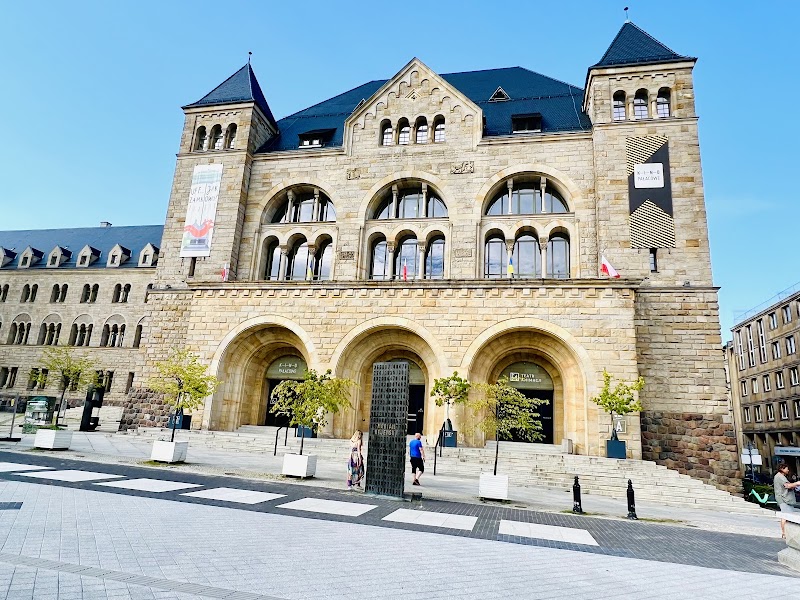
ZAMEK Culture Centre is one of Poland’s leading cultural institutions, housed in the historic former Imperial Castle on Święty Marcin Street in central Poznań. Built between 1905 and 1910 for German Emperor Wilhelm II in a neo-Romanesque style, the castle was meant to symbolize the region’s importance within the German Empire. After Poland regained independence, the building served various state and academic roles and, since the 1960s, has been dedicated to cultural use, being formally established as the Cultural Centre ZAMEK in 1996. Today, CK ZAMEK hosts over 2,500 events a year, making it a vibrant hub of arts and culture. Its programme spans visual arts, theatre, film screenings, music, literature, workshops, festivals and educational activities, and features both established artistic formats and experimental, interdisciplinary projects. The Centre partners with cultural organisations throughout Poland and abroad and offers concerts, exhibitions, film events, and creative community initiatives. Beyond its cultural programme, the building itself is a highlight: its impressive neo-Romanesque architecture and historical interior merge tradition with contemporary cultural spaces. ZAMEK also houses a palace cinema, art galleries, and resident institutions including the Teatr Animacji (Animation Theatre), Centre for Children’s Art and the 1956 Poznań Uprising Museum.
Address: Święty Marcin 80/82, 61-809 Poznań, Poland
- Kaferdam
Address: Grobla 30, 61-854 Poznań, Poland
- Wolności Square
Address: plac Wolności, 61-001 Poznań, Poland
- Fontanna Wolności
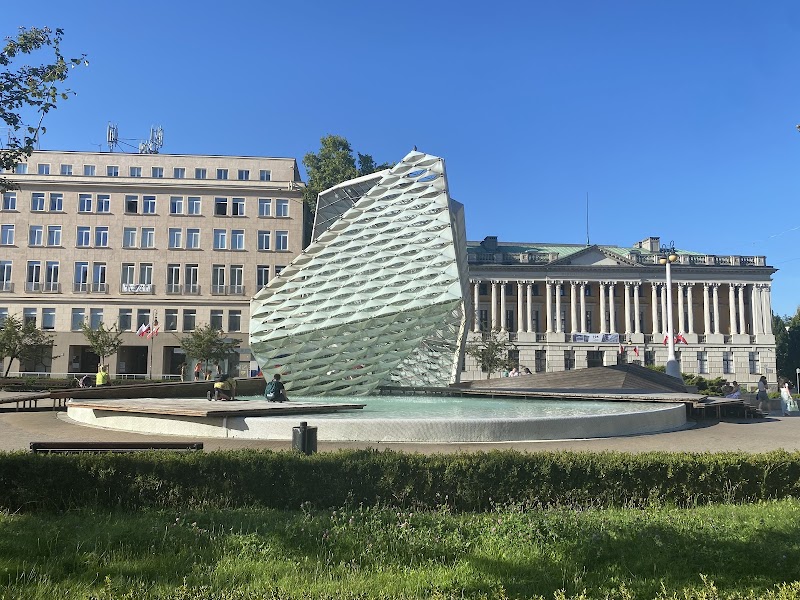
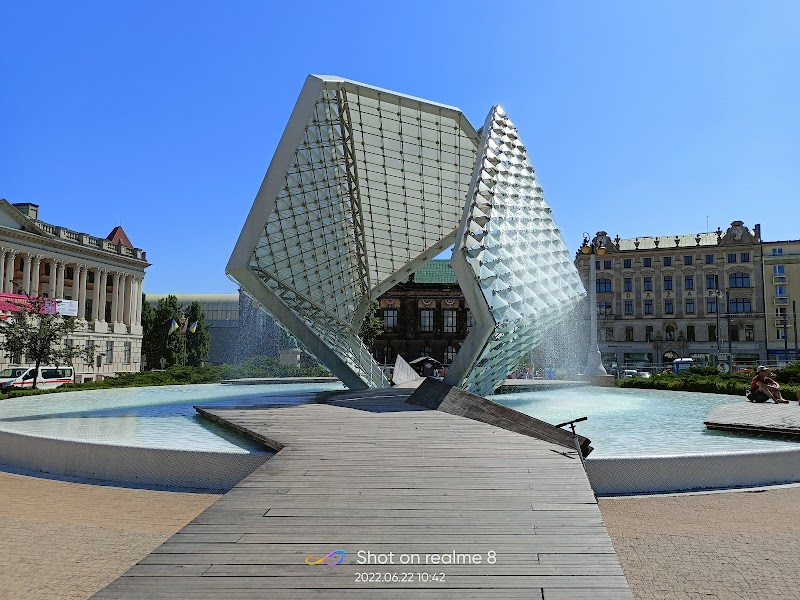
The Freedom Fountain is located at Plac Wolności (Freedom Square), one of the most prominent public spaces in the heart of Poznań. It was opened in 2012 as a modern urban feature designed to combine visual appeal, recreation, and symbolic meaning.The fountain is a ground-level, multimedia installation, with water jets emerging directly from the pavement and forming dynamic patterns enhanced by LED lighting. Without a traditional basin, the square remains fully accessible, and during warmer months the fountain becomes a popular place for relaxation and playful interaction, especially for children.Its name and setting are deeply symbolic. Freedom Square has long been associated with public gatherings, demonstrations, and civic events, and the fountain reinforces the idea of freedom, openness, and shared urban space. In summer, it often complements cultural events, concerts, and festivals held on the square.
Address: plac Wolności 18, 61-738 Poznań, Poland
- Muzeum Narodowe w Poznaniu
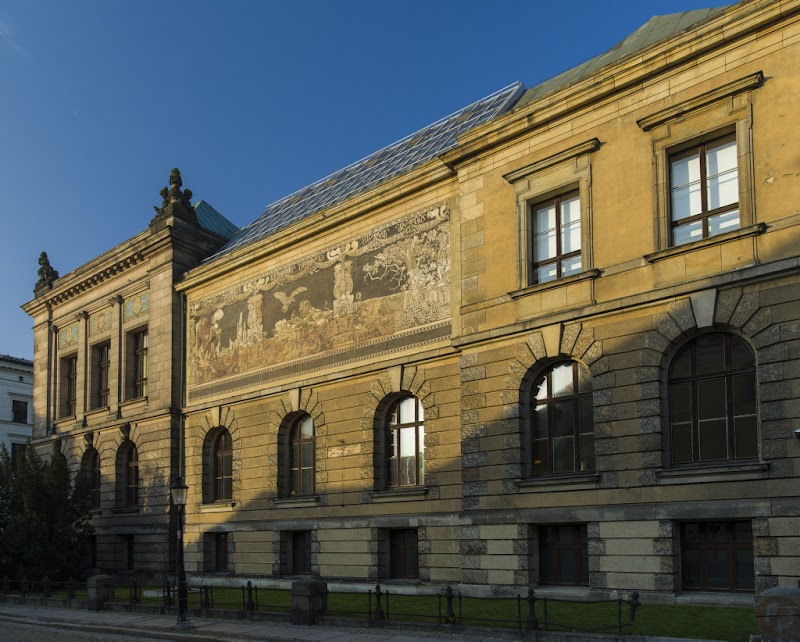
The National Museum in Poznań is one of the oldest and most significant cultural institutions in Poland, combining a historic early 20th-century building with a modern new wing. It is a true treasury of art, where visitors can admire works ranging from antiquity to the present day. The museum's greatest pride is Poland's only collection of Spanish paintings (including works by Zurbarán and Ribera) and the country's only painting by Claude Monet – "Beach in Pourville," which returned to the collection after a spectacular theft years ago. The exhibition also features rich collections of Polish painting, including works by Jacek Malczewski, Olga Boznańska, and Stanisław Wyspiański.Within the museum's walls, art history intertwines with modern education – the minimalist spaces of the new wing provide the perfect backdrop for temporary exhibitions and meetings. It is a place that allows for quiet contemplation of masterpieces right in the heart of the bustling city.What is worth seeing"Beach in Pourville" by Claude Monet – the only painting by this Impressionist master in Polish public collections.Gallery of Polish Painting – one of the best in the country, featuring an impressive collection of portraits and landscapes.Spanish Collection – a unique assembly of works by Baroque masters, unmatched in scale by any other Polish museum.Tickets and practical information Admission to both permanent and temporary exhibitions is ticketed. The museum offers standard, reduced, and family tickets, and on selected days (usually Tuesdays), admission to permanent exhibitions is free. It is recommended to check current opening hours and prices on the website: 🌐 www.mnp.art.pl. The museum is fully accessible to people with disabilities and honors the Poznań Tourist Card.
Address: Aleje Karola Marcinkowskiego 9, 61-745 Poznań, Poland
- Royal Castle
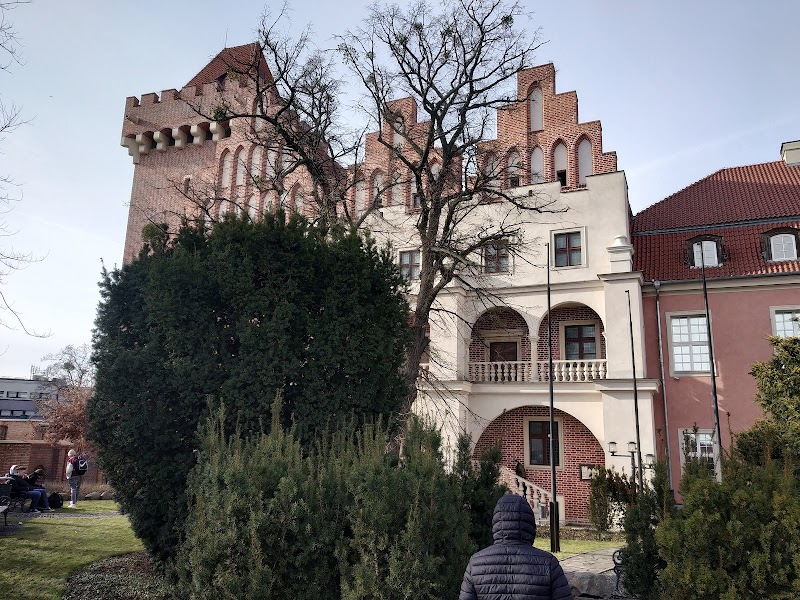
The Royal Castle in Poznań is one of the oldest royal residences in Poland, situated on the picturesque Przemysł Hill. The first stronghold was built here in the 13th century, and it was the place where the Polish national emblem—the White Eagle—was born. The current structure is the result of a major reconstruction completed in 2013, which restored the historic tower and the southern wing to the city's skyline. Today, the castle houses the Museum of Applied Arts and serves as a prime vantage point for visitors.Key HighlightsThe Castle Tower – standing at 43 meters, its observation deck offers the most stunning panoramic view of the Old Market Square and the entire city.Museum of Applied Arts – an extensive collection of furniture, textiles, glass, and jewelry displayed in modern galleries.The Legend of the White Eagle – exhibits dedicated to the national symbol and the history of King Przemysł II.
Address: Góra Przemysła 1, 60-101 Poznań, Poland
- Mars Fountain in Poznań
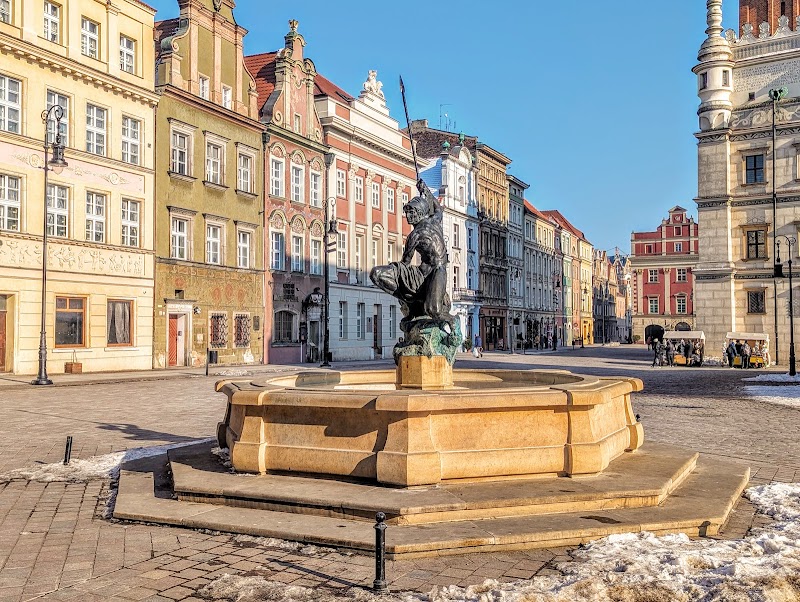
The Mars Fountain is located in the south-western corner of Poznań’s Old Market Square (Stary Rynek). It was unveiled in 2002 as part of a set of four corner fountains inspired by historic 17th-century wells that once served both practical and decorative roles in the market square.The fountain was designed by Marian Konieczny, a renowned Polish sculptor. Its focal point is a bronze statue of Mars, the Roman god of war, strength, and courage. The dynamic figure, depicted with a helmet and shield, symbolizes military power and bravery, while also reflecting Poznań’s long and often turbulent history shaped by armed conflicts.The statue stands atop an octagonal stone well, matching the design language of the other three market square fountains — Apollo, Neptune, and Proserpina. Together, they form a coherent artistic ensemble that blends classical mythology with contemporary urban sculpture.
Address: Stary Rynek, 60-995 Poznań, Poland
- Restauracja Bamberka
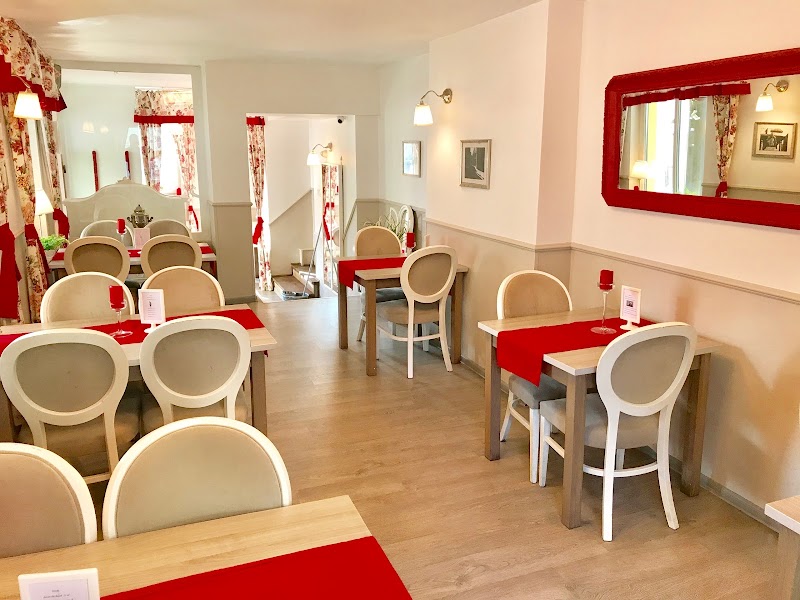
Bamberka Restaurant is a place with a rich tradition, operating continuously since 1972. The name and location of the restaurant are inextricably linked to the neighboring symbol of the city – the Bamberka Well. Located in the heart of the Old Market Square, next to the Town Hall, it offers guests an authentic journey through the flavors of Greater Poland. The interiors blend the atmosphere of old Poznań with modern touches – while the cellar maintains a traditional, slightly heavier decor, the ground floor is bright and contemporary. It is a perfect spot for both tourists wanting to try local cuisine and residents celebrating family occasions.What is worth eatingPoznań-style Duck – an absolute classic: roasted duck served with homemade yeast dumplings (pyzy) and red cabbage.Pyra z gzikiem – a simple yet iconic regional dish: boiled potato with seasoned cottage cheese.Bamber-style Sour Rye Soup (Żurek) – thick, aromatic soup served in a crispy bread bowl.Czernina with noodles – a traditional duck blood soup, rare to find, prepared here according to an old recipe.Grey Noodles with Cabbage – regional potato noodles served with fried sauerkraut.Website:www.bamberka.com.pl
Address: Stary Rynek 2, 61-772 Poznań, Poland
- Bamberka Monument
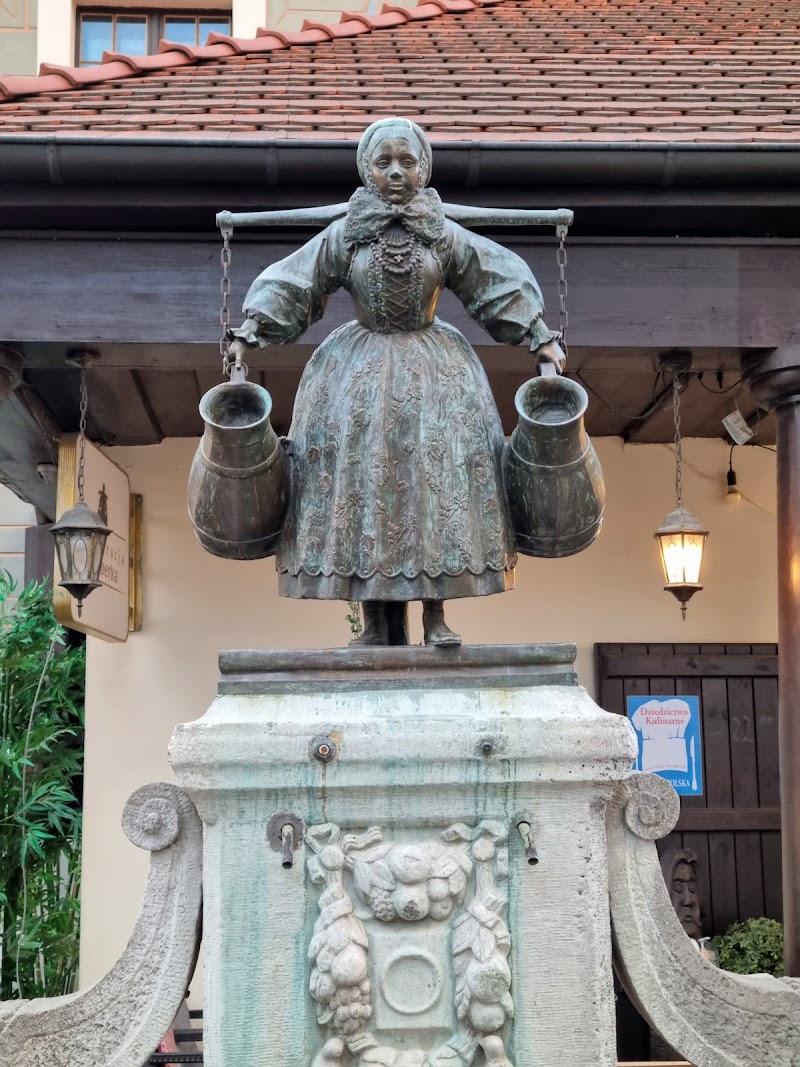
The Bamberka Well is a small but highly significant fountain-monument commemorating the arrival of settlers from the Bamberg region (known as the Bambrzy) to Poznań in the 18th century. The sculpture depicts a woman in traditional, colorful Bamberg attire, carrying two water yokes with containers (known as konwie) on her shoulders. The monument symbolizes the successful assimilation of the Frankonian settlers, who significantly influenced the city's agriculture and culture, becoming an integral part of Poznań's identity. Created in 1915 by Josef Wackerle, the model for the statue was Jadwiga Gadziemska, an employee of the Goldenring winery.
Address: Stary Rynek, 61-001 Poznań, Poland
- Poznańskie Muzeum Pyry
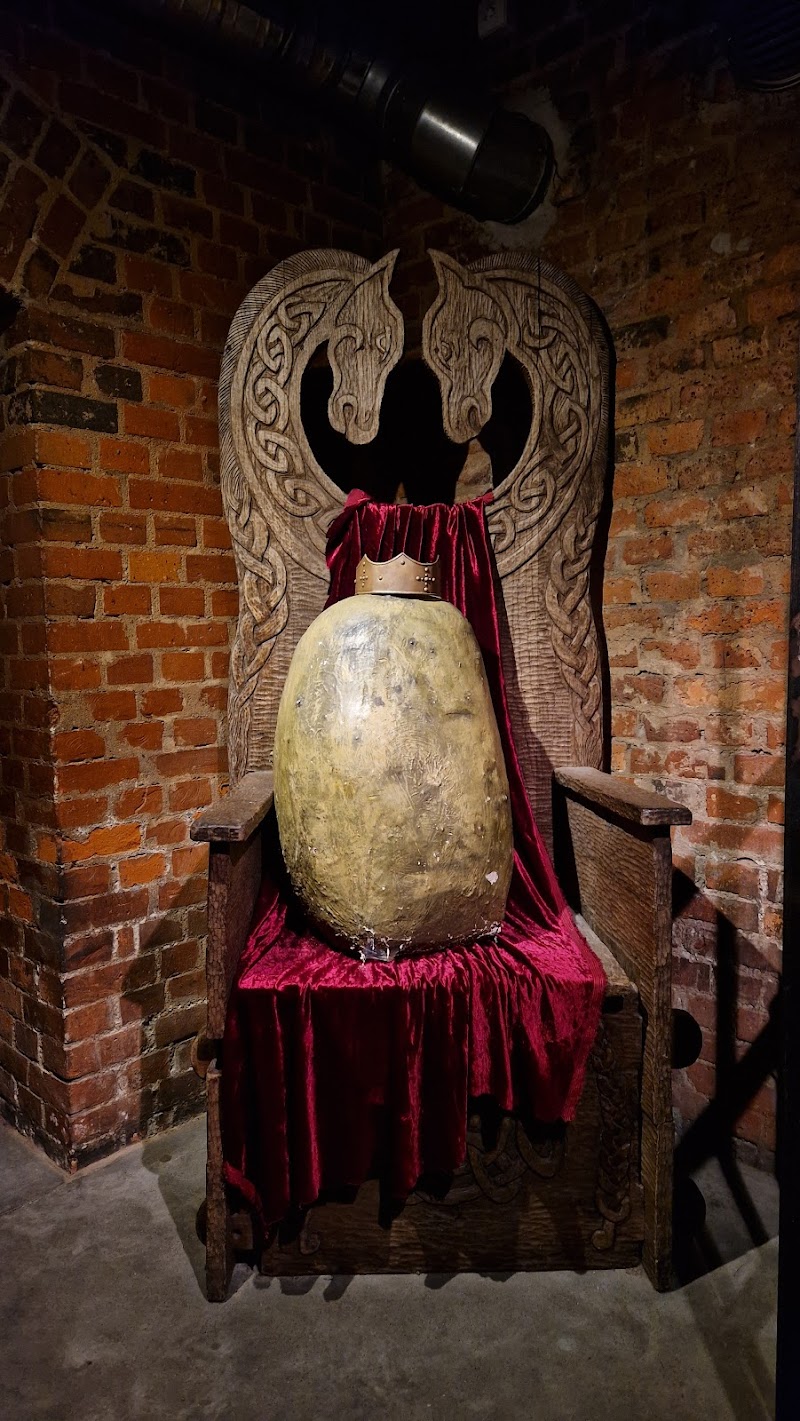
Poznańskie Muzeum Pyry to interaktywna i pełna humoru atrakcja zlokalizowana w sercu Starego Miasta (ul. Wroniecka 18, wejście od ul. Mokrej). Jest to miejsce, w którym w nowoczesny sposób poznasz historię ziemniaka – od jego egzotycznych początków w Peru, przez podróż do Europy, aż po zostanie kulinarnym symbolem Wielkopolski.Co oferuje muzeum:Interaktywne zwiedzanie: Przejście przez ścieżkę dydaktyczną odbywa się pod opieką animatorów, którzy w zabawny sposób opowiadają o "pyrowym" świecie.Warsztaty: Każdy uczestnik bierze udział w warsztatach, podczas których przyprawia własną pyrę, która następnie jest pieczona, by móc ją zdegustować na koniec wizyty.Edukacja i zabawa: Dowiesz się m.in. jak dawniej walczono ze stonką i jakie dania z ziemniaków królują w różnych częściach świata.Czas trwania: Zwiedzanie odbywa się wyłącznie w grupach o pełnych godzinach i trwa około 60 minut.Linki i bilety: Ze względu na dużą popularność i ograniczoną liczbę miejsc w grupach, rezerwacja online jest obowiązkowa.Oficjalna strona muzeum: muzeumpyry.plSystem rezerwacji i zakupu biletów: Rezerwacja biletów onlinePraktyczne informacje:Godziny otwarcia: Wtorek – Niedziela (w poniedziałki muzeum jest zazwyczaj zamknięte).Ceny biletów: Ok. 31 zł (normalny), 29 zł (ulgowy), dostępne są również bilety rodzinne i grupowe. Cena obejmuje zarówno oprowadzanie, jak i warsztaty.
Address: Wroniecka 18 wejscie od, Mokra, 61-763 Poznań, Poland
- Croissant Museum
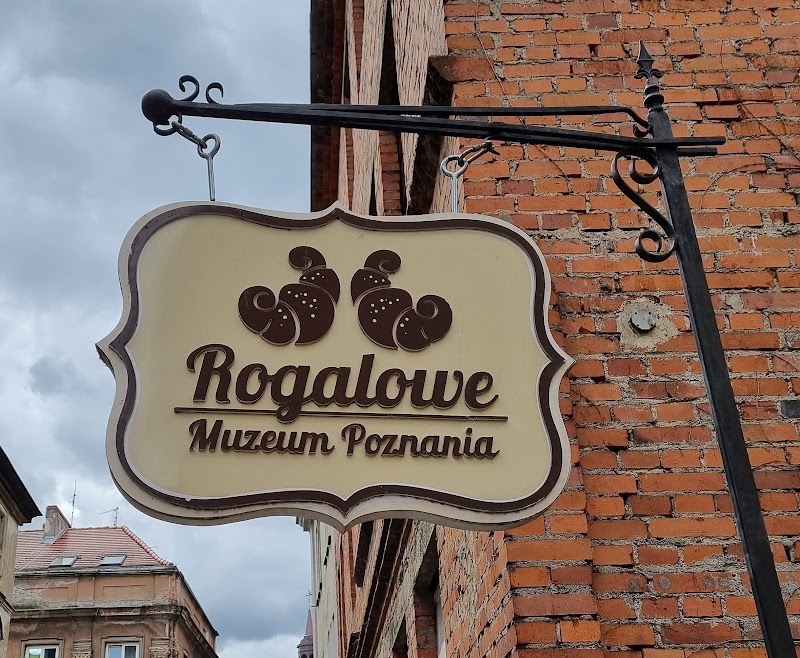
The Poznań Croissant Museum (Rogalowe Muzeum Poznania) is a must-visit, interactive attraction dedicated to the city's culinary pride – the St. Martin’s Croissant. Located in a beautiful Renaissance tenement house, it offers a lively show instead of traditional exhibits. Visitors participate in baking the croissants, learn about the secret ingredients (like white poppy seeds), and get a crash course in the local Poznań dialect.Key HighlightsInteractive Baking Show – a humorous performance where visitors help the "Croissant Master" prepare the dough.Tasting – every show ends with a sample of the certified, delicious St. Martin's Croissant.The Goat View – if you book the morning shows, you'll have a prime spot to watch the famous Town Hall mechanical goats from the museum's windows.English Shows – the museum offers special shows in English (usually around 1:45 PM).
Address: Stary Rynek 41, 61-772 Poznań, Poland
- Proserpine Fountain
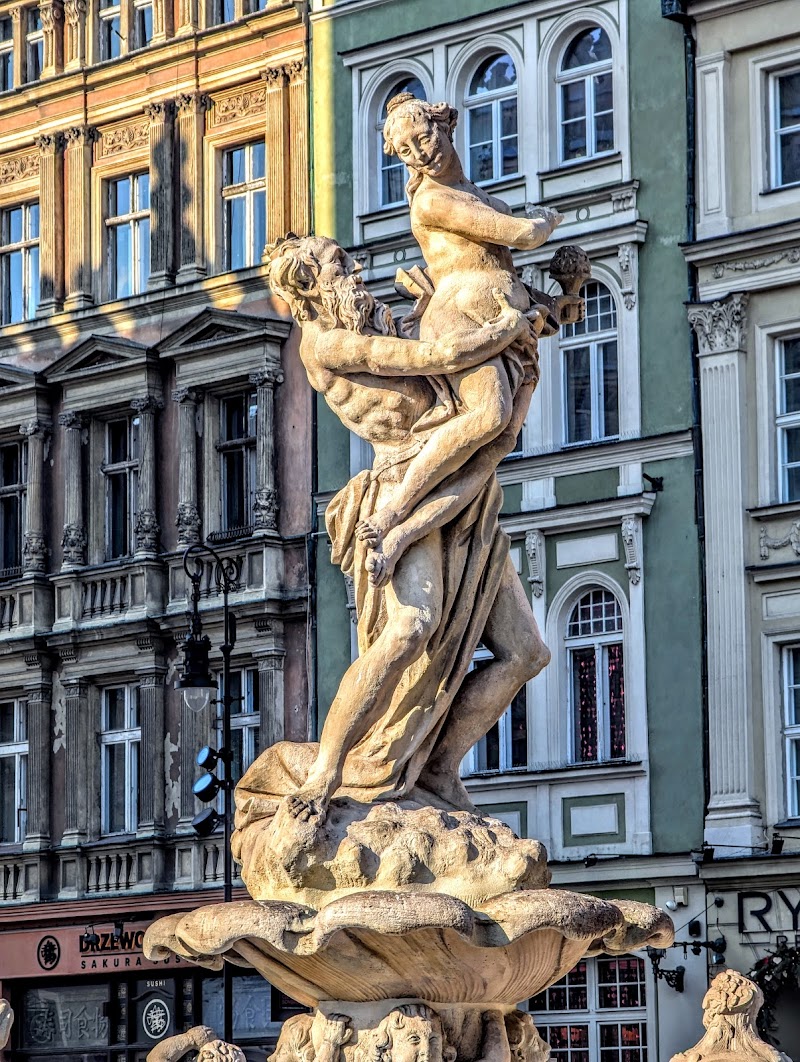
The Proserpina Fountain is located in the north-eastern corner of Poznań’s Old Market Square (Stary Rynek). It was unveiled in 2004 as the final element of the four corner fountains that revive the historic tradition of decorative municipal wells and introduce classical mythology into the market square.The sculpture was created by Marian Konieczny. The central figure is Proserpina (Persephone), the Roman goddess of vegetation, rebirth, and the cycle of the seasons. According to mythology, her annual descent into the underworld and return to the earth symbolized death and renewal, making her a powerful metaphor for nature’s continuous transformation.The statue stands atop an octagonal stone well, matching the visual style of the Apollo, Mars, and Neptune fountains. Compared to the other, more dynamic figures, Proserpina’s form conveys a sense of calm, balance, and cyclical harmony, adding a softer, contemplative tone to the Old Market Square.
Address: Stary Rynek, 60-101 Poznań, Poland
- Town Hall
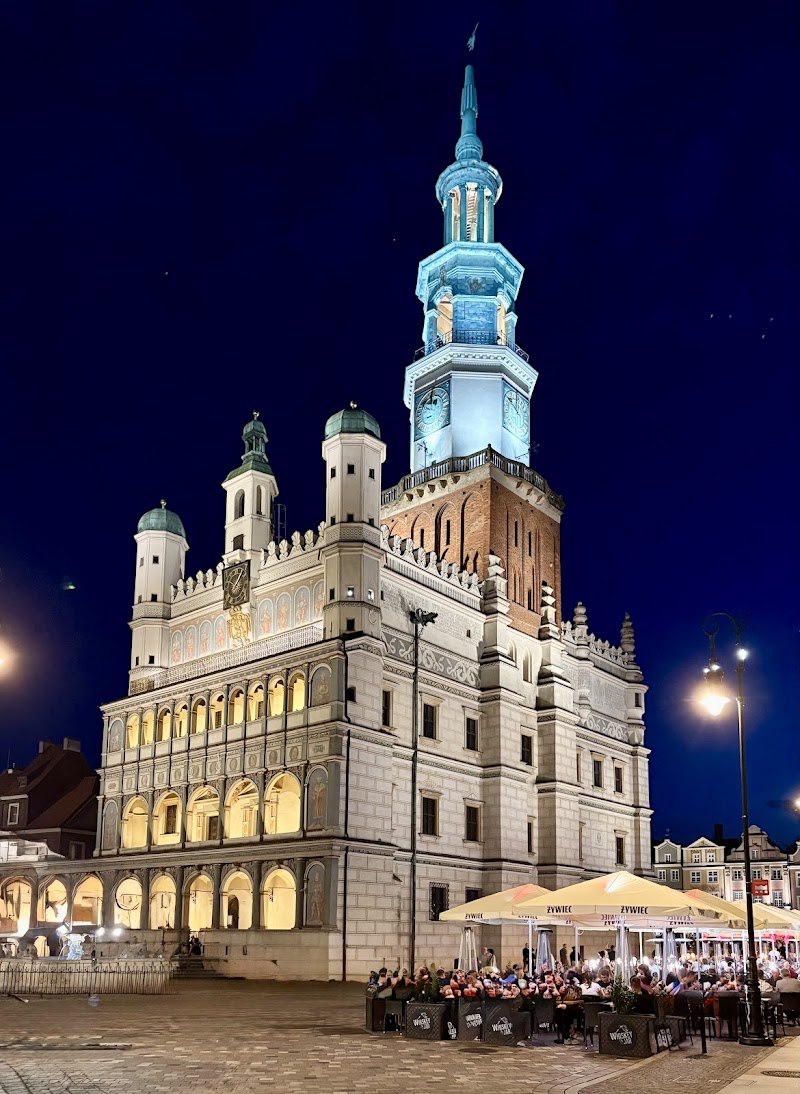
Poznań Town Hall is a masterpiece of Renaissance architecture, often described as the most beautiful building of its kind north of the Alps. Redesigned in the mid-16th century by Giovanni Battista di Quadro, it features a stunning triple-level loggia and a richly decorated facade. Today, it houses the Museum of the History of the City of Poznań.Key HighlightsThe Mechanical Goats – every day at 12:00 PM (and 3:00 PM), two mechanical goats appear above the clock to butt heads 12 times. This is the city's most famous tradition.The Great Hall (Renaissance Hall) – a magnificent interior featuring a breathtaking 16th-century coffered ceiling.The Whipping Post (Pręgierz) – located right in front of the Town Hall, this stone column topped with an executioner statue was used for public punishment in medieval times.
Address: Stary Rynek 25, 61-772 Poznań, Poland
- Museum of the History of Poznań
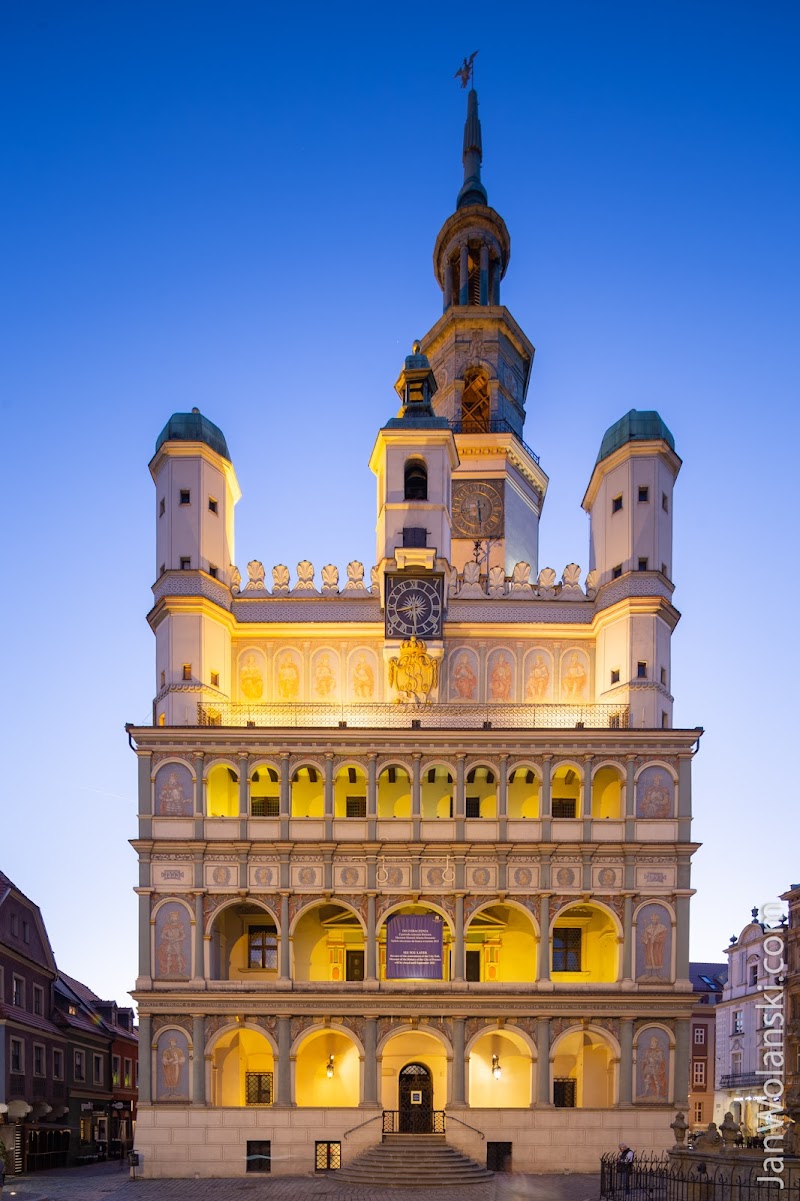
The Museum of the History of the City of Poznań is located in the very heart of the Old Market Square, within the interiors of the monumental Renaissance Town Hall. It is a place where the city's history comes alive amidst richly decorated halls, the most famous of which—the Great Hall (Renaissance Hall)—stuns visitors with its coffered ceiling dating back to 1555. The exhibition guides visitors through the history of Poznań from the Middle Ages to the present day, showcasing ancient crafts, mementos of burgher families, and a unique "behind-the-scenes" look at the famous clock with mechanical goats. A visit here is not just a history lesson, but above all, an encounter with world-class architecture that has survived for centuries as a symbol of the city's pride and wealth.What is worth seeingThe Great Hall – one of the most beautiful Renaissance interiors in Northern Europe, featuring original decorations.The Goat Mechanism – in the museum, you can see the historic mechanisms that once operated the famous Poznań mechanical goats.Entry to the museum is ticketed. On selected days (usually Tuesdays), admission to permanent exhibitions is free – it is worth checking the current schedule on the website: 🌐 www.mnp.art.pl
Address: Stary Rynek 1, 61-768 Poznań, Poland
- CAFE BAJKA - DESERY LODOWE / ŚNIADANIA / NALEŚNIKI
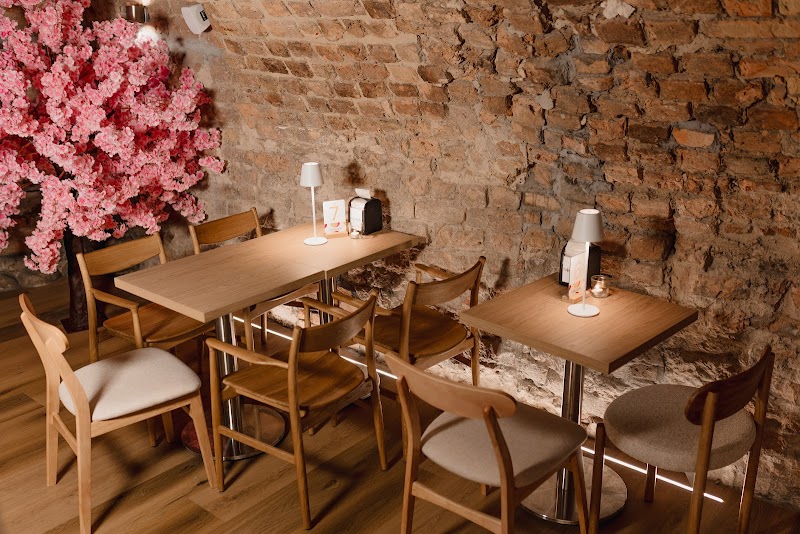
CAFE BAJKA is a warmly regarded café located right on Stary Rynek 25, in the heart of Poznań’s historic Old Town, just steps from the iconic Renaissance Town Hall. It combines a cosy interior and a welcoming atmosphere with a menu designed for relaxed visits throughout the day. The café serves a variety of offerings, including breakfast dishes, artisan ice-cream desserts, cakes, cocktails, and specialty coffee drinks. Especially in warmer weather, visitors often stop by for refreshing treats or a mid-day coffee break during sightseeing. CAFE BAJKA stands out for its socially minded approach: it is staffed in part by people with disabilities, creating an inclusive workplace that celebrates diversity and community engagement. This mission has earned the café wide support and warm feedback from customers.
Address: Stary Rynek 25, 61-772 Poznań, Poland
- Merchants' Houses
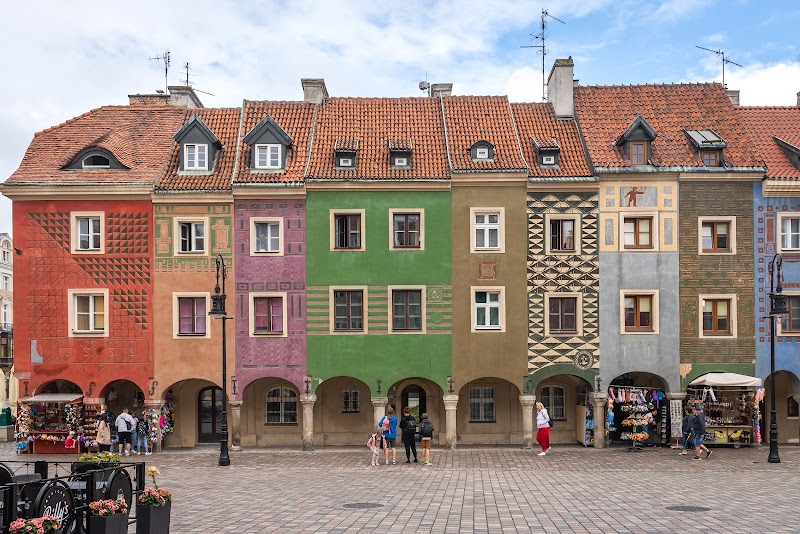
The Domki Budnicze are a distinctive and historically significant group of buildings on the Old Market Square (Stary Rynek) in Poznań, reflecting the city’s medieval commercial heritage. The site originated in the 13th century with simple wooden stalls where locals traded herring, salt, candles, torches, and other everyday goods.In the 16th century, these wooden booths were replaced by narrow brick townhouses featuring Renaissance-style arcades supported by slender sandstone columns, with living quarters above and shops below. One column on house no. 11 bears the date 1535, and the group of houses is closed to the south by a 1538 townhouse known as the City Chancellery or House of Scribes, historically the home of the city scribe until the 18th century.The buildings were heavily damaged during World War II, but post-war reconstruction restored their original appearance, including the arcaded facades and decorative polychromes. Today, the Merchants’ Houses form a charming and colorful section of the Market Square frontage. Under their arcades, local artists often display and sell artwork, continuing the square’s long tradition of trade and craft.
Address: Stary Rynek, 61-001 Poznań, Poland
- Apollo Fountain
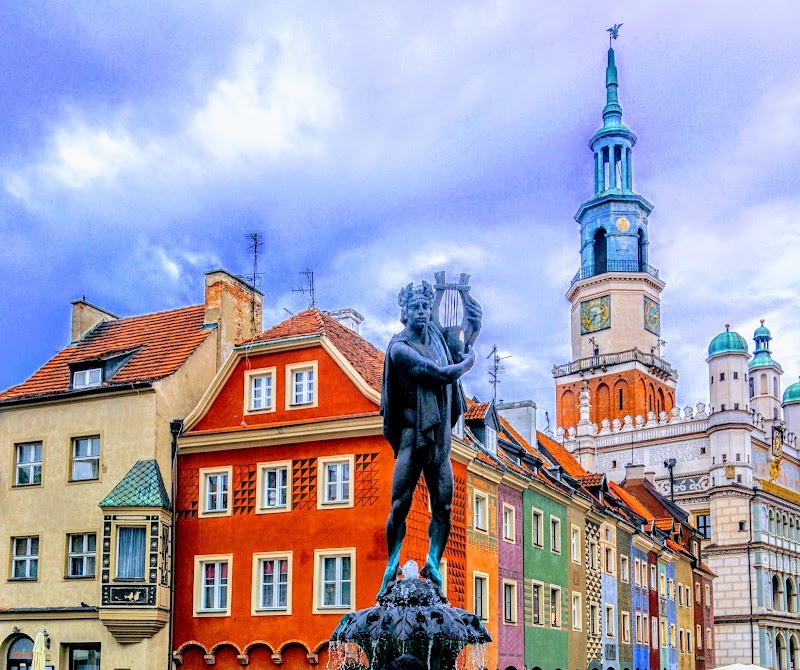
The Apollo Fountain is a decorative water feature located in the southeastern corner of the Old Market Square (Stary Rynek) in Poznań, at the junction of Świętosławska and Wodna streets. Its current form was unveiled in 2002 as a reconstruction of one of the historic wells that once supplied clean water to the city’s inhabitants and served as decorative landmarks on the square. Designed by renowned Polish sculptor Marian Konieczny, the fountain features an octagonal sandstone well topped with a bronze figure of Apollo — the classical god of light, arts, music, and prophecy from Greek and Roman mythology. The choice of Apollo reflects the long European tradition of incorporating mythological themes into public art. The Apollo Fountain is part of a set of four mythological fountains at each corner of the Market Square, alongside Neptune, Mars, and Proserpina fountains, continuing the historic decorative fountains tradition from the 17th century.
Address: Stary Rynek, 60-995 Poznań, Poland
- Neptune Fountain
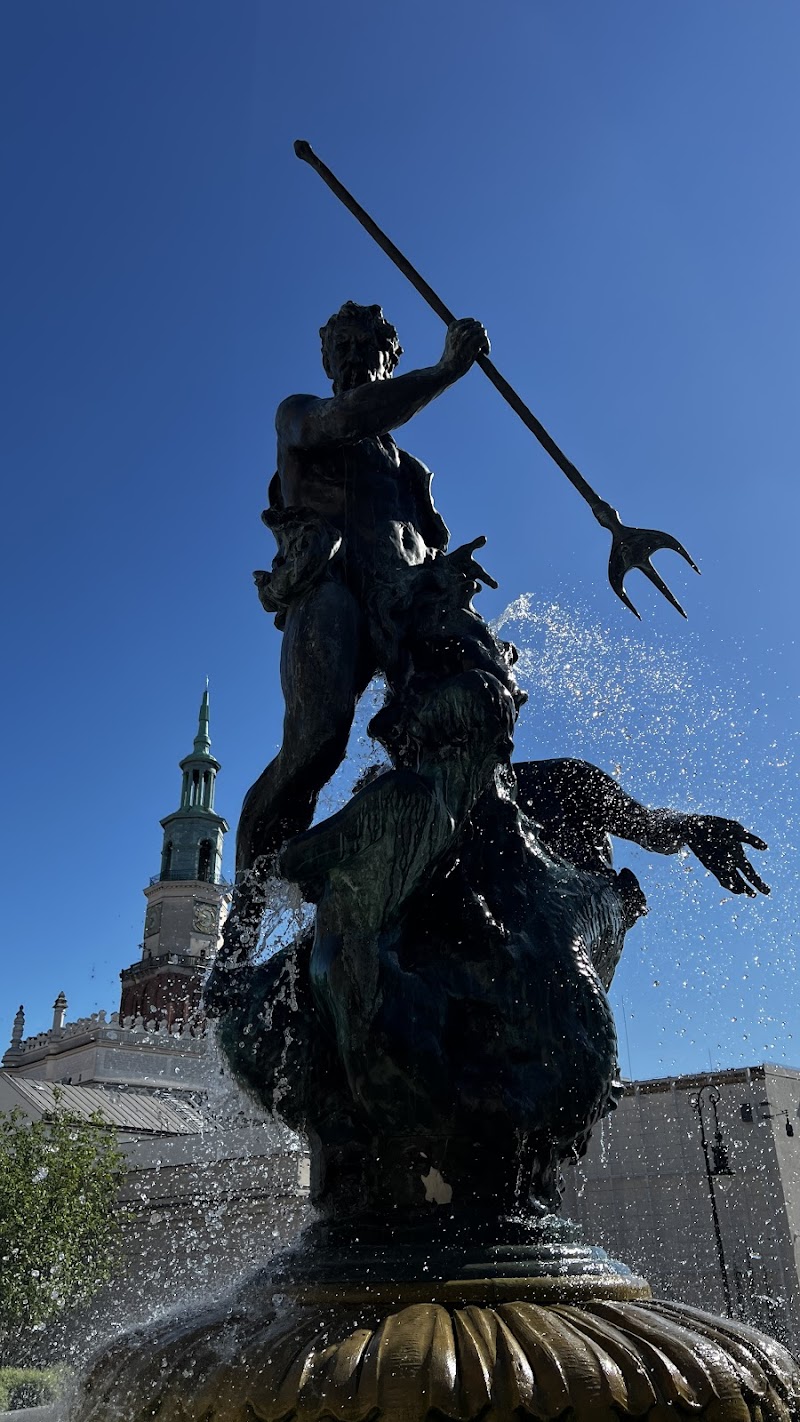
The Neptune Fountain is located in the north-western corner of Poznań’s Old Market Square (Stary Rynek). It was unveiled in 2004 as part of a group of four corner fountains inspired by historic municipal wells and the long tradition of mythological decoration in European market squares.The sculpture was created by Marian Konieczny. At its center stands a bronze figure of Neptune, the Roman god of seas and waters, depicted with his iconic trident, symbolizing dominion over the water element. Neptune’s presence in Poznań carries historical meaning, referencing the city’s commercial heritage and its long-standing trade connections with Baltic ports and international markets.The statue is set on an octagonal stone well, visually consistent with the other three Old Market Square fountains — Apollo, Mars, and Proserpina. Together, they form a cohesive artistic ensemble that enhances the historic character of the square
Address: 60-995 Poznań, Poland
- Bazylika kolegiacka Matki Bożej Nieustającej Pomocy, św. Marii Magdaleny i św. Stanisława Biskupa
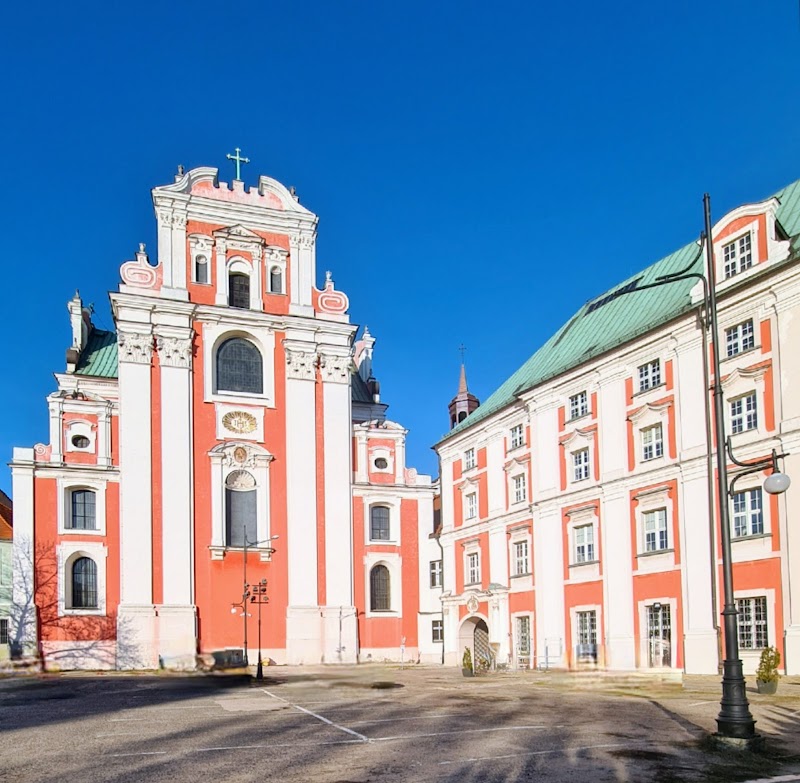
The Poznań Parish Church, commonly known as the Poznań Fara, is one of the finest Baroque churches in Poland and a major landmark of the city. Built in the 17th and 18th centuries as a Jesuit church, it impresses visitors with its monumental scale and exceptionally rich interior decoration. Located in the heart of the Old Town, it forms a natural focal point for exploring historic Poznań.The interior is a masterpiece of Baroque art, featuring grand columns, illusionistic frescoes, ornate altars, and a magnificent pipe organ. The overall composition creates a dramatic yet harmonious space, characteristic of Baroque architecture designed to inspire emotion and awe. The main altar and ceiling decorations are especially notable for their artistic quality and sense of movement.Throughout its history, the basilica played an important role in the religious and social life of the city. After the suppression of the Jesuit order, it became a parish church, and in 2010 it was elevated to the status of a minor basilica, recognizing its historical and cultural significance. Today, the church serves not only as a place of worship but also as a renowned venue for organ concerts and classical music events.
Address: Gołębia 1, 61-779 Poznań, Poland
- Poznań Goats Sculpture
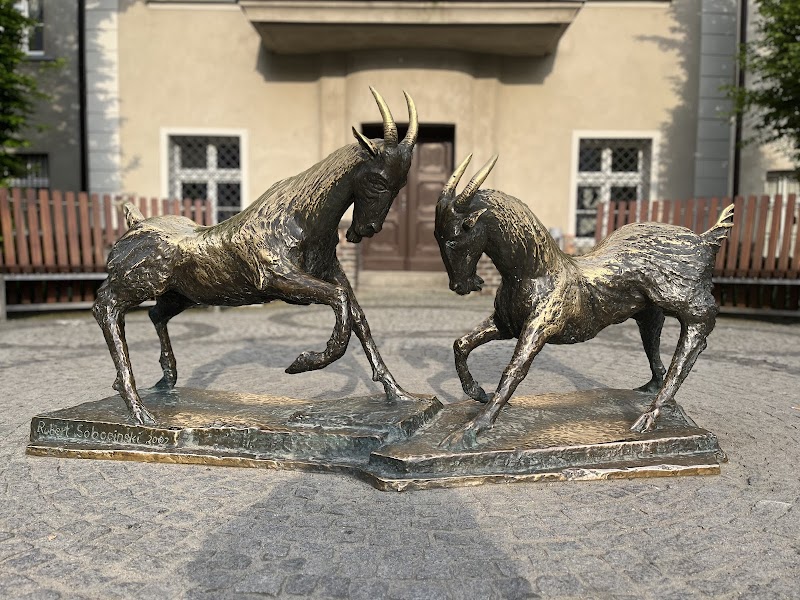
The Billy Goats Monument is a sculpture depicting Poznań's most famous symbols—two goats, known from the Town Hall tower, preparing to butt heads. Unlike the originals, which can be seen high up on the tower at noon, these on Kolegiacki Square are within arm's reach. Created by Robert Sobociński, the sculpture has become an unofficial symbol of the city and a mandatory photo spot for every tourist. Legend has it that rubbing the goats' horns brings good luck, which is why they are visibly polished by the hands of thousands of visitors.
Address: pl. Kolegiacki, 61-841 Poznań, Poland
- Bazylika Archikatedralna św. Apostołów Piotra i Pawła
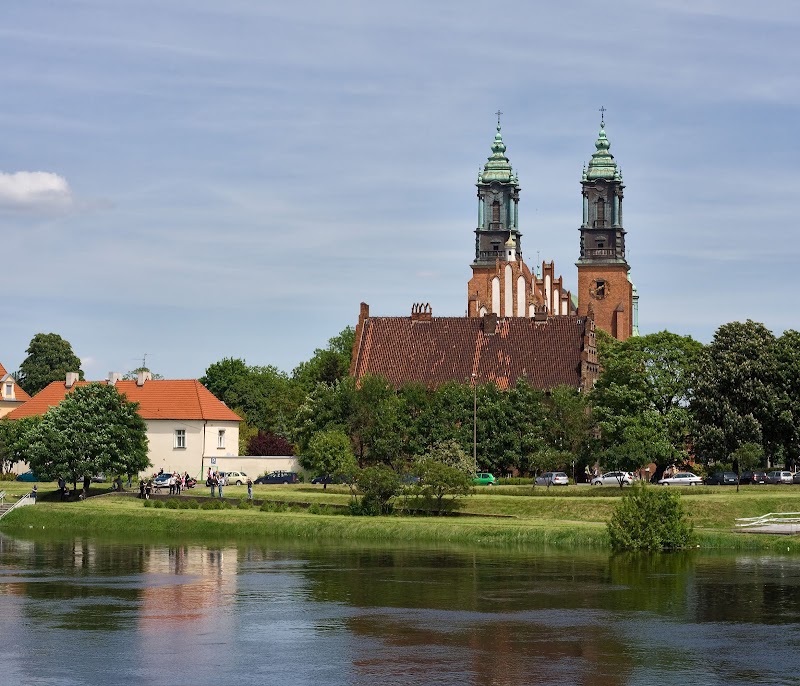
The Archcathedral Basilica of St. Peter and St. Paul in Poznań is the oldest cathedral in Poland, with origins dating back to around 968–970 AD, shortly after the establishment of the Polish state. It stands on Ostrów Tumski, a historic island where Poland’s first bishopric was established and where key early state structures emerged. Over more than a millennium, the cathedral underwent numerous reconstructions: from an early pre-Romanesque basilica to a Romanesque church and later a Gothic structure, much of which survives in the current building. After heavy damage during World War II, the church was restored incorporating surviving medieval Gothic elements. The cathedral played a significant role in Polish history, hosting royal coronations, ducal weddings, and stately burials. In the Golden Chapel are sarcophagi believed to hold relics of early Piast rulers, and archaeological excavations in the crypts have uncovered remains of Poland’s first rulers, including Mieszko I and Bolesław Chrobry. Inside, the basilica houses remarkable sacred art, including Gothic altarpieces, Renaissance tombs, Baroque altars, and colorful stained glass. In 1962, Pope John XXIII elevated the cathedral to the rank of a minor basilica in recognition of its religious and historical importance.
Address: Ostrów Tumski 17, 61-001 Poznań, Poland
- Citadel Park
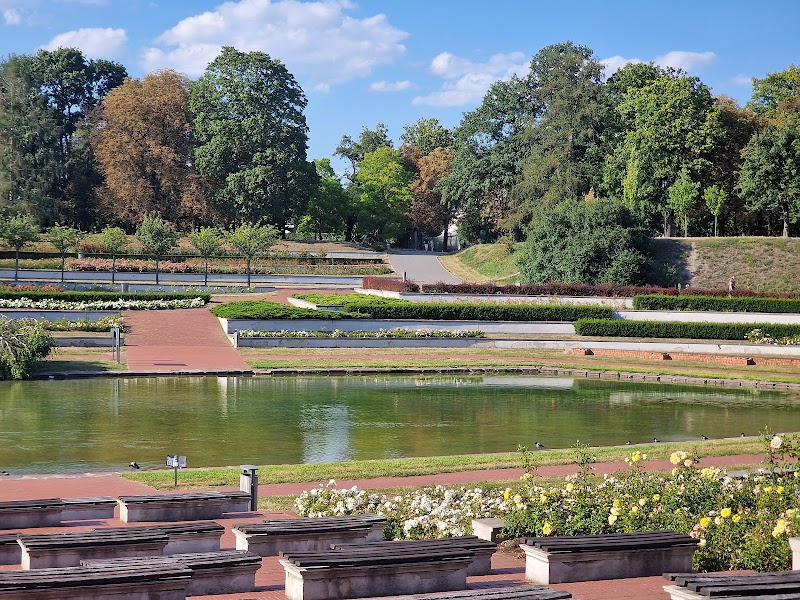
Cytadela Park is a nearly 100-hectare recreational complex located on a hill, on the site of the former Prussian Fort Winiary. Known as the "green lungs" of Poznań, it is a place where the remains of massive fortifications intertwine with vast meadows and walking alleys. The park offers a unique blend of history and culture – housing two military museums, several historic cemeteries, and impressive open-air art installations. It is a favorite spot for locals for picnics, jogging, and rollerblading, and its diverse terrain means you can discover a new hidden corner or bunker with every visit.What is worth seeing"The Unrecognized" by Magdalena Abakanowicz – the artist's largest outdoor sculptural group, consisting of 112 headless iron figures.The Amphitheater and Rosarium – picturesque spots that bloom with thousands of roses in summer and serve as a stage for cultural events.Fortification remains – atmospheric ruins of the former fortress, including gates, trestles, and deep moats now reclaimed by nature.Tickets and practical information Entry to the park is free and open 24/7. Within the park, you can find cafes (like Umberto) and restaurants, where it's worth having a piece of homemade cake or a lemonade after your walk. The park is well-connected to the city center (Armia Poznań tram stop or Cytadela bus stop). Due to its vast size, it is recommended to set aside at least 2–3 hours for a visit.
Address: aleja Armii Poznań, 61-001 Poznań, Poland
About this plan
Poznań: where the cradle of history meets modern energyPoznań is a city that captivates with the balance between its role as the cradle of the Polish state and its bold, contemporary character. It is here, alongside the thousand-year-old cathedral on Cathedral Island (Ostrów Tumski), that icons of modern architecture emerge, while the bustling Old Market Square neighbors the "green lungs" of the Citadel. The capital of Greater Poland is the heart of Polish industriousness, the culinary homeland of the St. Martin’s Croissant, and a city best discovered on foot. Our plan will allow you to feel this unique rhythm – from morning coffee by the Śródka mural, through a noon meeting with the legendary mechanical goats, to evening relaxation surrounded by nature.Poznań in 1 day – explore smarter with our appThe Poznań sightseeing plan is fully integrated with our app, which changes the way you discover new places. Forget about carrying heavy guidebooks or chaotically switching between maps and notes on your phone. Thanks to our platform, you receive an interactive and intuitive route that leads you step by step through the most important points – from Cathedral Island to the Imperial Castle. This way, you don’t have to wonder what to see in Poznań or at what time the goats butt heads. You can focus solely on soaking up the city's atmosphere. It’s your personal, digital guide that you always have at hand.Who is this Poznań guide for?For first-time visitors to Poznań – the plan covers all the "must-see" points, from the cathedral to the legendary goats.For those traveling with limited time – a precise, one-day scenario allows you to see the maximum of the city without a sense of rush or chaos.For lovers of local traditions and flavors – people who want to learn the secrets of baking the St. Martin’s Croissant and find out why the "pyra" (potato) is treated with almost cult-like devotion here.For seekers of urban aesthetics – fans of revitalization who want to see how an old brewery became a global icon of commerce and art, and how Prussian forts were turned into green parks.