Want to experience the real Prague? See places that tourists miss and discover a city full of surprises!
Charles Bridge. Hundreds of thousands of tourist footsteps, photos taken from every possible angle, souvenirs, guidebooks, social media posts. And although it's beautiful, it dominates the image of Prague to such an extent that the rest of the city often disappears in its shadow. Yet Prague is more than just a Gothic bridge over the Vltava River. It boasts vibrant neighborhoods, hidden cafes, street art, beautiful architecture, and many other surprises at every turn. Prague can surprise you whenever you decide to look beyond Charles Bridge.
A city that surprises at every turn
Prague can surprise even those who think they already know it. Turn onto a side street, and instead of the tourist bustle, you'll find a quiet courtyard with an Art Nouveau townhouse, an alternative gallery, or a café where time moves slower than the Vltava River beneath the bridges. It's a city of contrasts – Gothic towers coexist with bold contemporary architecture, and elegant boulevards give way to districts with a raw, artistic character.
The answer to the question of what to see in Prague doesn't end with a few points on the first page of the guide. Beyond the most popular spots, there are districts with a normal, everyday life, bars without tourist menus in five languages, and places where people don't queue for photos. It's there that you can see how the city truly functions – without filters or postcard-quality settings. Prague isn't just one icon or a single view from a bridge. Just walk a few streets further to see its less obvious, yet much more interesting side.
Architecture without a single narrative – from Gothic to modernism
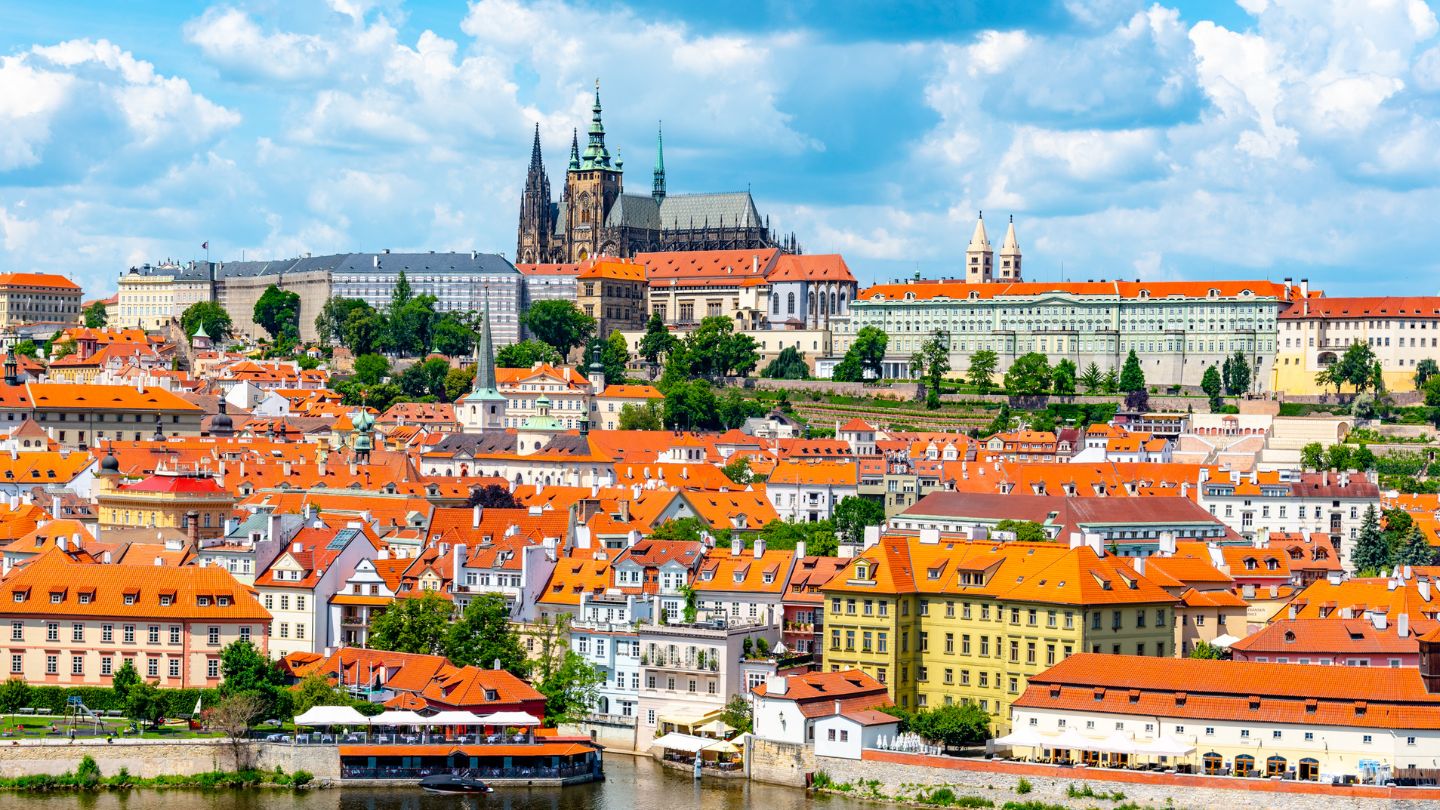
Prague's architecture doesn't tell a single, coherent story – it's more of a collection of different eras that stand side by side without any need to pretend they belong together. In the city center, you'll see medieval townhouses and the Gothic St. Vitus Cathedral; a bit further, Art Nouveau facades and the stately Obecní dům (Obecní dům), and a few tram stops away, the modernist Dancing House. These styles aren't separated like in an art history textbook; they exist side by side. If you're wondering what to do in Prague besides strolling through the Old Town, the answer is simple: observe the details, compare the eras, and see how much the city has changed over the centuries.
Different districts and their magic
Prague boasts not only an elegant Old Town but also districts with a completely different temperament. A few stops along the way are enough to see the city's changing atmosphere.
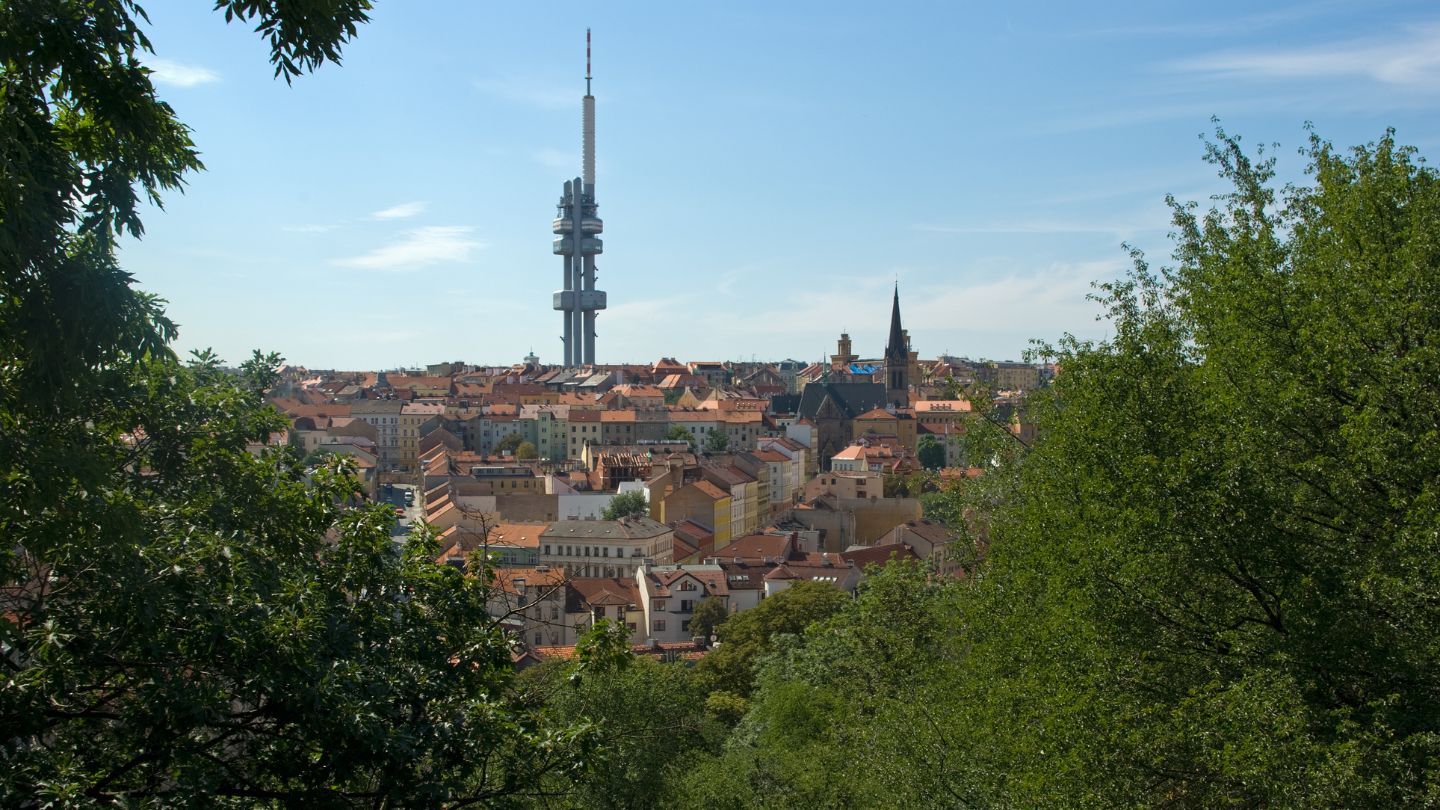
Žižkov has a reputation for being the most "naughty" part of the capital – it has more pubs than postcard-worthy monuments, and the iconic television tower dominates everything.
Holešovice, on the other hand, has evolved from an industrial district to a place full of galleries, markets, and modern cafes.
In Vinohrady, a more relaxed, local atmosphere prevails: Art Nouveau townhouses, parks, and restaurants frequented mainly by locals. Each of these districts reveals a different side of the city – less obvious, but often more interesting than the one seen on the front page of a guidebook.
A sense of humor as a hallmark
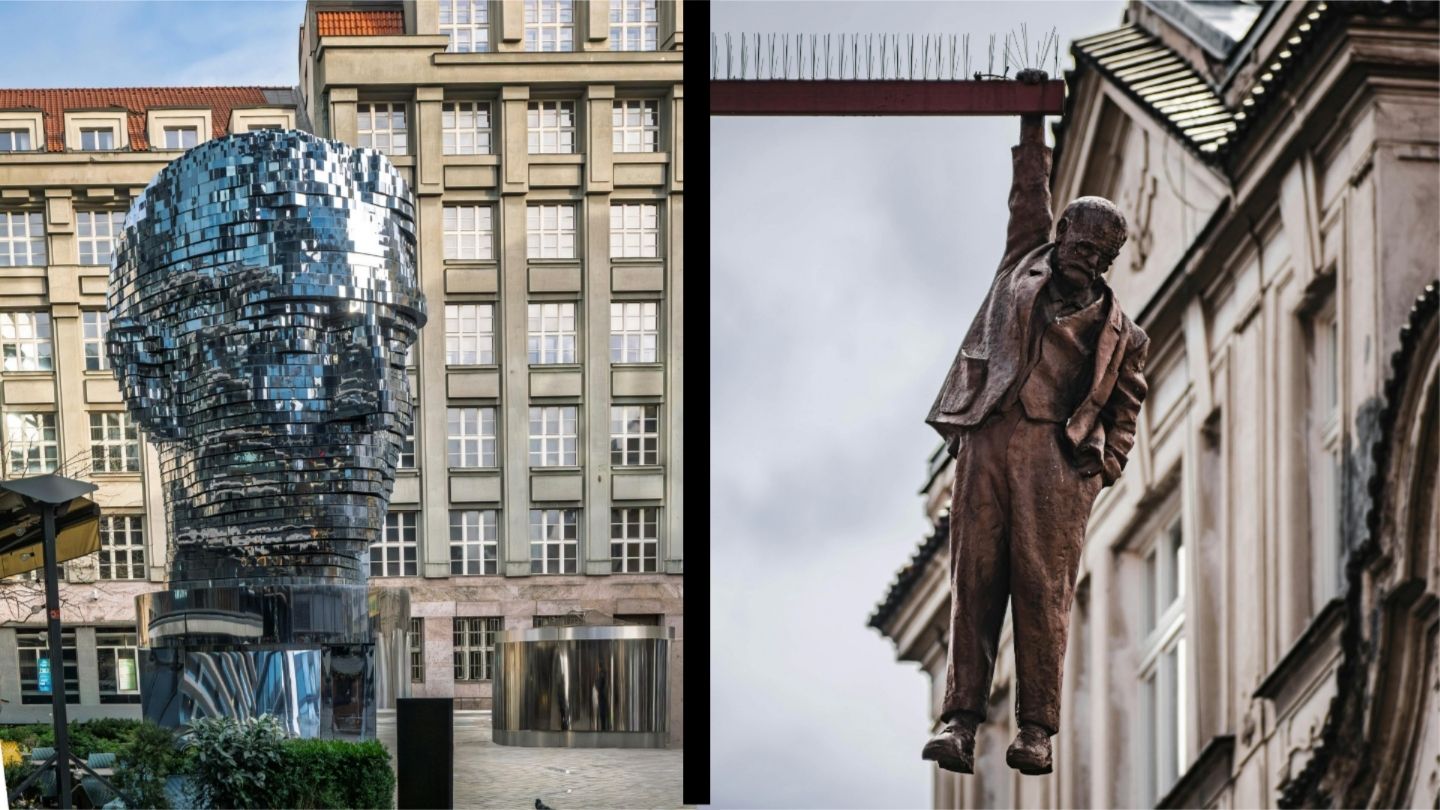
In Prague, you quickly realize that distance is one of the most important features of local identity. It only takes one visit to one of David Černý's works to understand that this city doesn't take itself too seriously. Sculptures teetering on the edge of absurdity, provocation, and pure humor are no exception, but a part of the landscape. And therein lies the key: Czech irony isn't an addition to history, but a way of taming it. After the experience of the 20th century, residents have learned that distance can be more effective than pathos. That's why, alongside Gothic towers and imperial facades, humor appears in public spaces—sometimes subtle, sometimes brazen, but always intelligent. If you want to truly experience Prague, it's not enough to look up at the monuments. It's also worth looking around to see if the city is playing a small, rather pleasant joke on you.
What's the best way to explore Prague?
If you're short on time, how you choose to explore is crucial. Prague is larger and more diverse than you might think, so chaotic travel between locations can quickly become tiring and take away from the joy of exploring the city. In such situations, a proven Prague sightseeing plan is incredibly helpful – a pre-made route takes you through the most important attractions, allows you to logically spread out your days, and avoid unnecessary return visits. This allows you to combine classic landmarks like Charles Bridge or Prague Castle with less obvious spots. It's the perfect solution for making the most of a short stay and not wasting energy on the stress of organizing your day.
How many days do you need to visit Prague?
If you're coming for a quick getaway, two days might be enough for a classic Prague city break – you'll see key landmarks like Charles Bridge, the Old Town, and Prague Castle, and in the evening, sample the local cuisine and beer. For those who want to see the city in more detail, three days allows for a more relaxed pace and includes less obvious attractions. In this case, it's worth considering a ready-made 3-day Prague itinerary – it takes you through the main monuments, alternative neighborhoods, galleries, parks, and cafes, making it easier to combine the classics with what's often overlooked in standard guidebooks. And if you have more time, you'll definitely not be bored – Prague offers a wealth of nooks, events, and places just waiting to be discovered.